



STARTUP enablers in Davao Region are pushing to address funding gaps at the seed and angel investment level, warning that startup companies in the region risk failing in critical early stages.
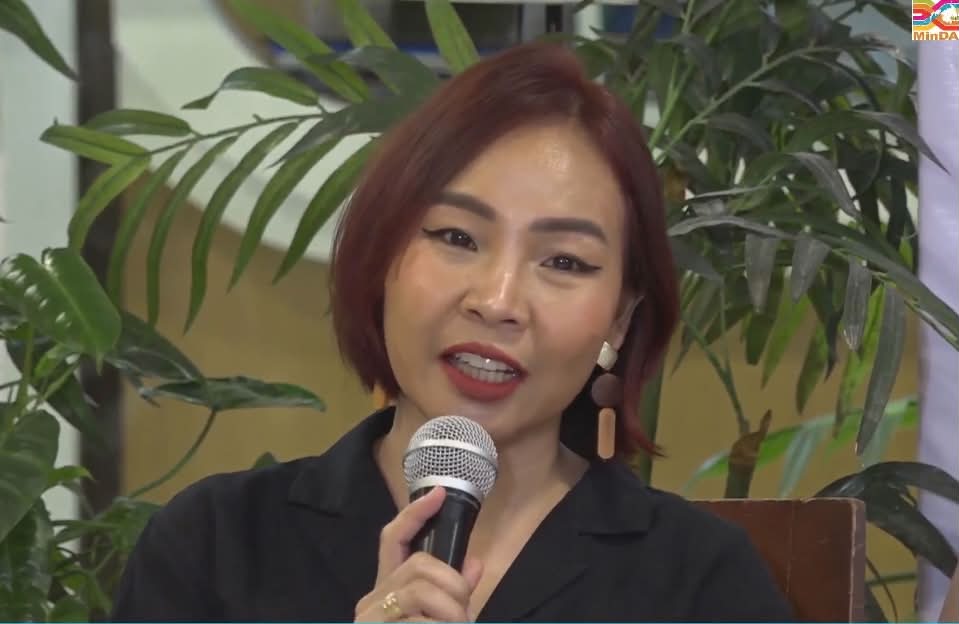
During the Habi at Kape media forum on Wednesday, Mary Rose Opianga, Wadhwani Foundation program manager, identified sustainability as the biggest challenge facing Mindanao’s startup community.
Opianga said Davao Region currently counts 67 active startups, most of them in services and e-commerce, but the actual number is difficult to track because startups “come and go.”
“One of the challenges of sustainability is there’s still a need for more funding on the seed and angel investor level or early-stage startup investment,” Ofianga said.
“Startups have different journeys, especially that they have a very critical point in their startup journey and then they will just scale very fast,” she added.
She distinguished startups from traditional buy-and-sell businesses, as a viable startup should be “scalable, sustainable, replicable, and profitable.”
Opianga said the ecosystem has expanded with support from government agencies along with academic institutions and industry groups like ICT Davao, noting Davao City has also been recognized among the top three cities for startup ecosystems in the country.
But despite the growth, Opianga said early-stage capital remains scarce, particularly for emerging sectors such as agricultural technology.
She described emerging start-ups in agritech as complicated; however, there are fewer than in services and e-commerce.
“That is one of our critical problems right now that we really want to solve for Mindanao. So we encourage students and startup founders to focus more on solving problems in the agriculture sector,” Ofianga said.
The organization is working to build an angel investor network covering not just Davao City but the wider Mindanao region.
She cited that these issues will be tackled at the upcoming Tech and Innovation Beyond Borders, a networking event for start-ups on Aug. 12-13 with the National ICT Summit in Tagum City.
Belinda Torres, president of ICT Davao, said the NICT is trying to bridge that gap by connecting founders with angel investors and encouraging government adoption of local startup solutions.
“We have to make sure that the solutions they provide are something that is, if it’s in the business sector, the ROI, but of course, we should also invite the government to be able to look at things that can be adopted, adapted at a local or government level,” she said.
Torres said with the advent of AI and emerging technologies, empowering startups and reskilling the workforce is critical to have enough skills and be relevant moving forward.
The event will also coincide with the BIMP-EAGA Digital Alliance Cluster Meeting under the “Beyond Borders” initiative, aimed at connecting Mindanawon startups with regional cross-border partners.
