



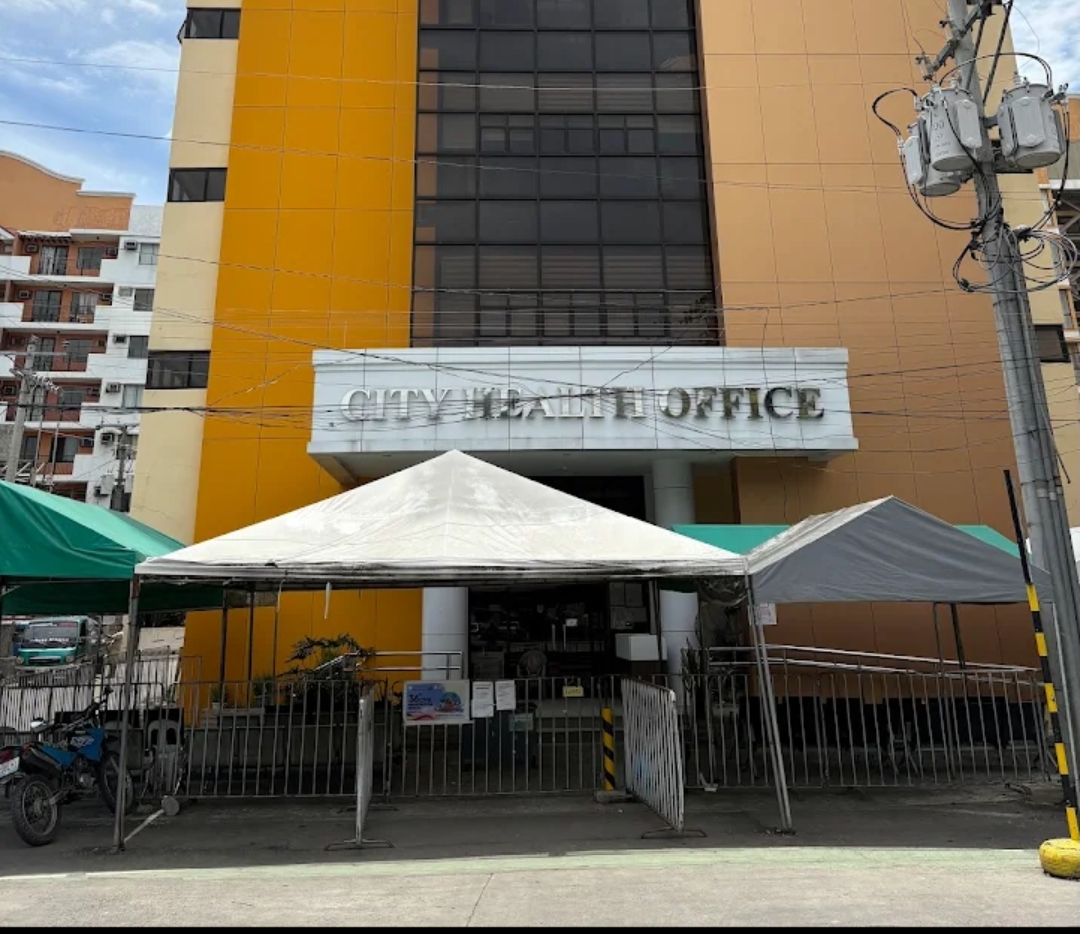
THE DEPARTMENT of Health (DOH) Center for Health Development Davao partnered with the Davao City Health Office (CHO) to boost the local implementation of Universal Health Care (UHC) Law.
The City Council approved on Tuesday an ordinance authorizing Mayor Sebastian Duterte to sign a partnership agreement with the DOH.
The agreement paves the way for the DOH to release P1,650,000 to the Davao City Health Office (CHO) to boost the local implementation of Republic Act 11223, or the UHC Law.
According to Dr. Annie Larosa, cluster head of the local health system of the Davao Center for Health Development, downloaded funds will be heavily utilized to strengthen the city’s health framework.
Larosa expressed that while Davao City has achieved a 100% score in the “Preparatory” phase (Level 1) of its health system maturity, data shows the city still faces structural gaps. It currently stands at 55% for the “Organizational” phase (Level 2) and 50% for the “Functional” phase (Level 3), with local authorities targeting a 90% functional rate by the end of the year.
Larosa emphasized that to bridge the remaining gaps, the city must pass a mandatory city-wide health integration ordinance and complete unmet disaster risk management training for emergency responders.
Sherrie Amor Campaner, acting head of CHO Technical Services Division, reported that the city currently has 19 identified primary care facilities, all of which are fully accredited by PhilHealth for its primary care benefit package, “Yakap” formerly “Konsulta.”
However, only six of these facilities hold official DOH licenses, while the remaining 13 are still processing compliance documents.While PhilHealth has granted a moratorium for 2026 allowing unlicensed facilities to remain accredited, she said that a strict DOH license-to-operate requirement will be enforced starting next year.
“Starting next year, a DOH license to operate will be strictly required for PhilHealth accreditation,” she said.
The capabilities of these facilities vary as some operate as “4-in-1” units featuring birthing facilities, primary care, a TB-DOTS facility, and family planning services, while others host animal bite centers or infirmaries.
Current data from the CHO also reveals underutilization of the local primary health system.
Campaner said while the city’s public doctors can accommodate up to 600,000 patients under standard DOH ratios (1 physician per 20,000 population), only about 300,000 residents have actively registered. Of those registered, actual medical availability or “first patient encounters” remains low at just 20% to 30%.
Health officials urged residents to manually register with their local health centers to access free laboratory procedures and check-ups covered by PhilHealth.
