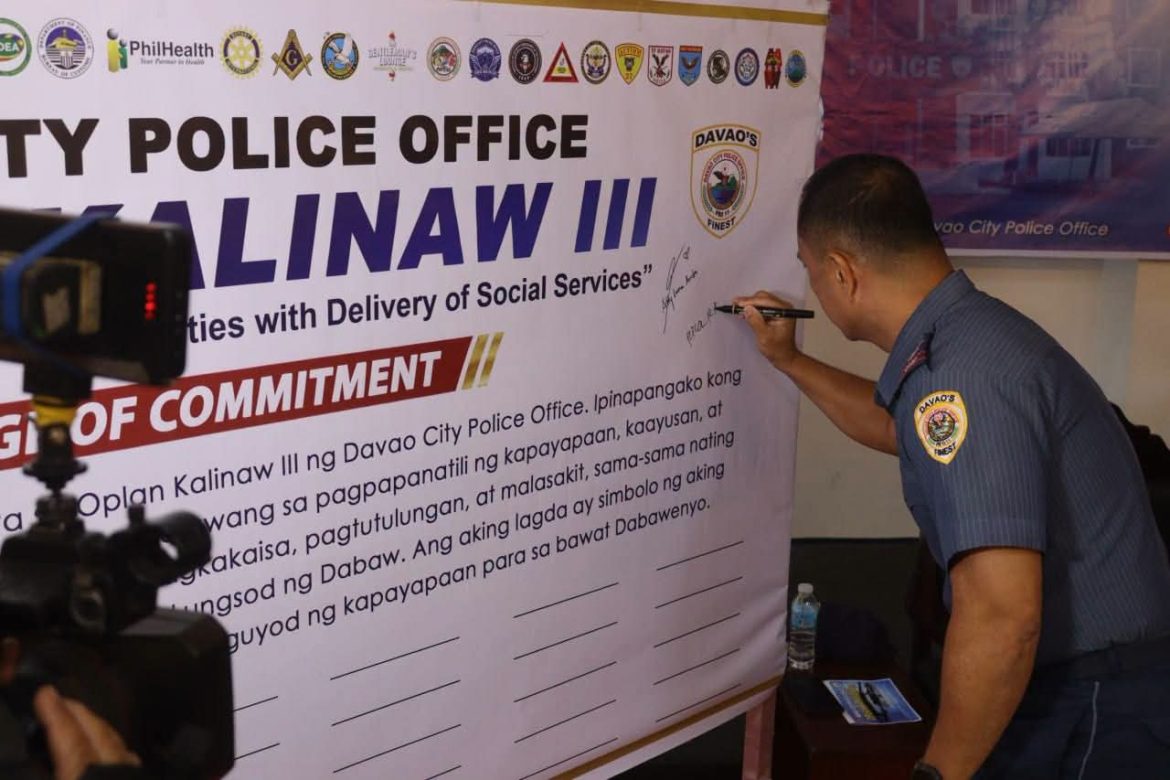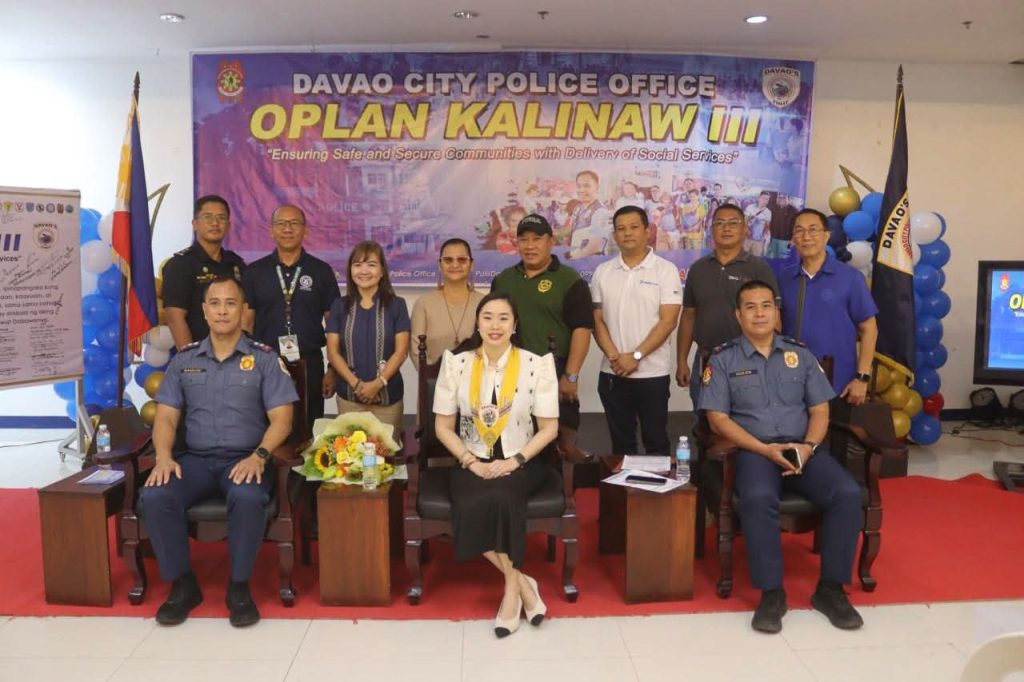

OPERATIVES of all 18 police stations of the Davao City Police Office (DCPO) arrested 33 lawbreakers and also delivered essential government services to over 700 residents during the simultaneous rollout of “Oplan Kalinaw III” on Friday, Aug. 28.
Led by DCPO director PCOL Peter B. Madria, the anti-criminality and community outreach drive centered its main operations at the Barangay New Valencia gymnasium in Tugbok District, under Police Station 20 (Los Amigos).
Parallel law enforcement operations across the city resulted in 33 operational accomplishments, including the arrest of 13 wanted persons, eight anti-illegal drug busts, six anti-smuggling seizures, five operations against loose firearms, and one illegal gambling arrest.
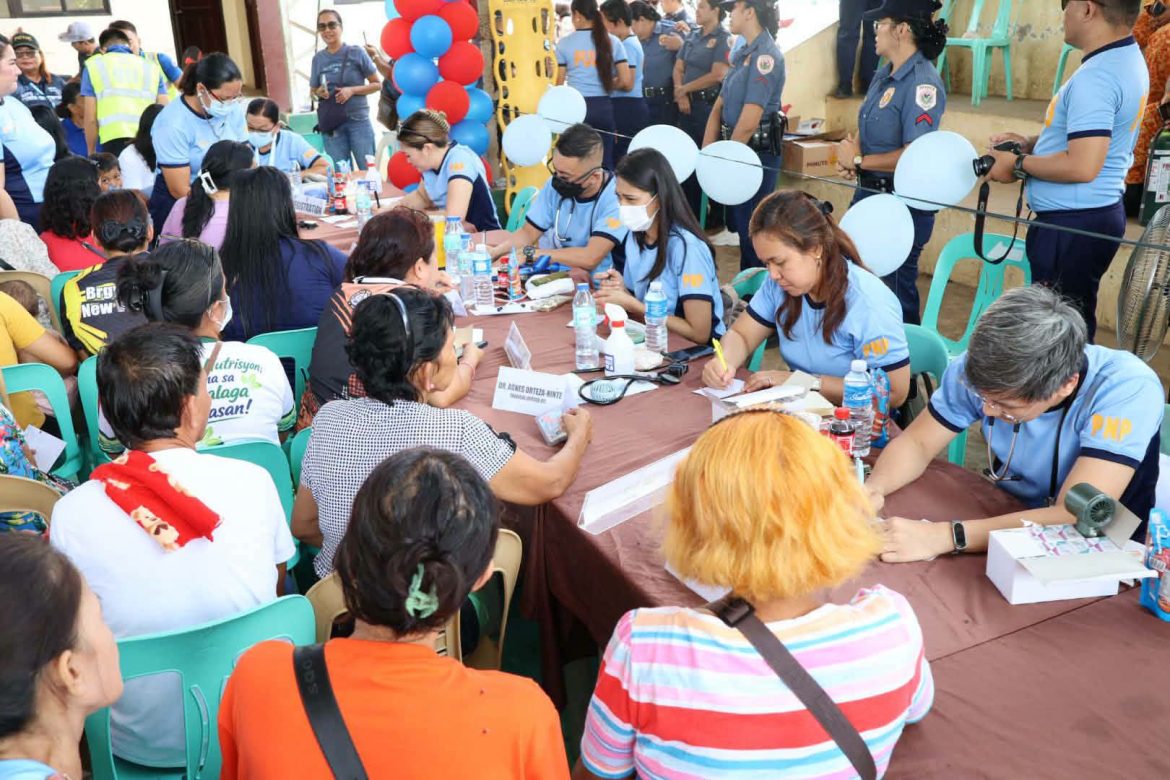
Meanwhile, the DCPO partnered with the City Government of Davao, the Public Safety and Security Office, the 1003rd Infantry Brigade, Task Force Davao, national agencies, and local business sponsors to provide civil assistance to 700 beneficiaries.
Residents availed themselves of free medical check-ups, legal consultations, National Police Clearance processing, agricultural inputs from the Department of Agriculture, and civil registry services via the Philippine Statistics Authority.
Field units also conducted community education briefings covering anti-bullying awareness, Republic Acts protecting women and children, and fire prevention strategies.
“Effective policing goes beyond maintaining peace and order—it also means being present, responsive, and accessible to the people,” PCol. Madria said in a statement, emphasizing that the dual approach aligns with the National Crime Prevention Program’s key strategies for 2026-2027.