

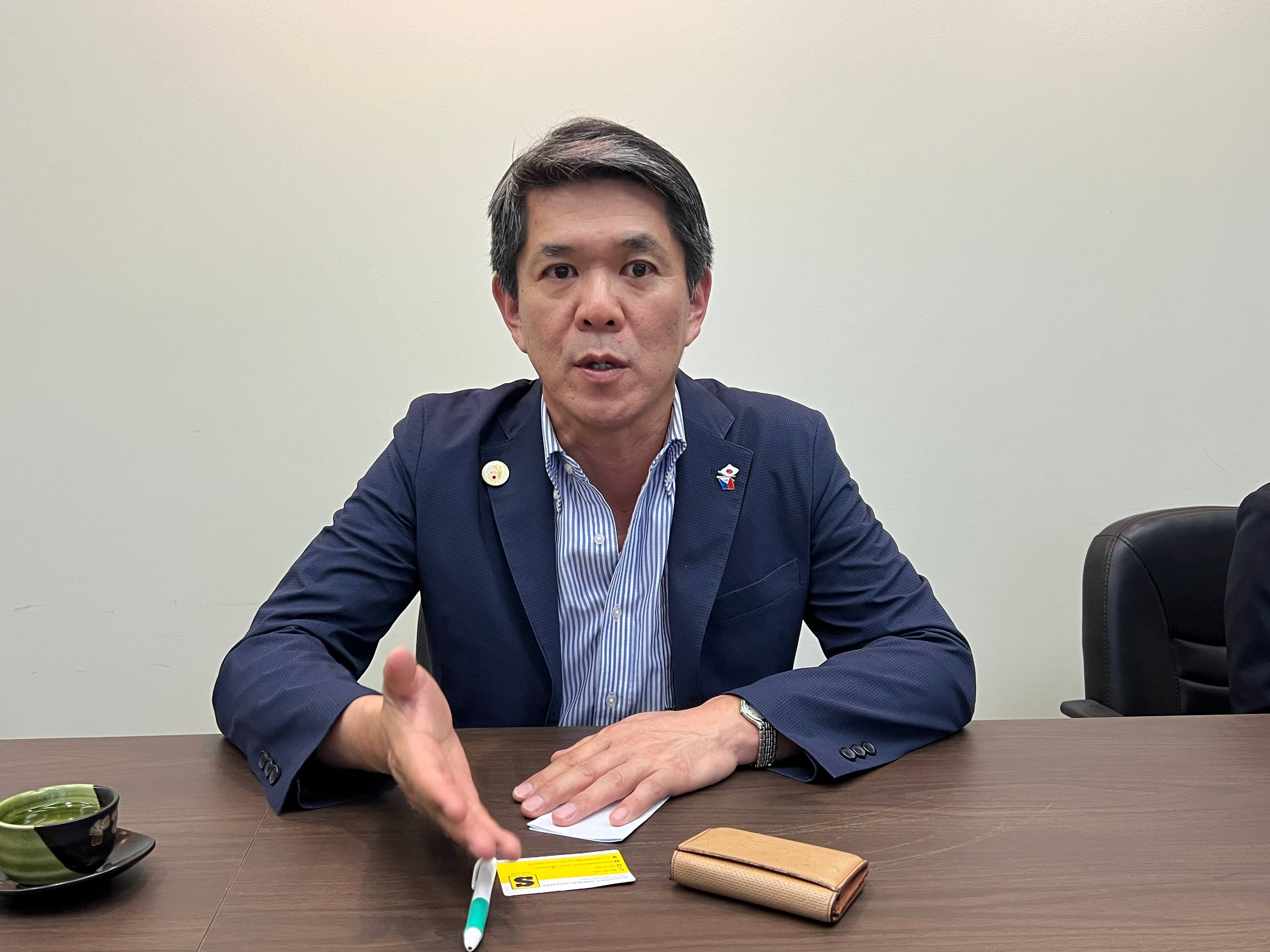
AMID MOUNTING pressure from environmental advocates, Japanese Ambassador Kazuya Endo defended the proposed waste-to-energy (WTE) project in Davao City, asserting that advanced Japanese technology can address the mounting trash crisis without compromising public health.
In a media engagement at the Japanese Consulate in Davao on Friday, Ambassador Endo addressed criticisms from groups like Greenpeace and the Interfacing Development Interventions for Sustainability (IDIS), which warned about toxic emissions.
“If you visit Tokyo, many waste-to-energy facilities are operating even in the middle of a very big city,” Endo told reporters. “We believe that with existing technology, we can establish environmentally friendly and sustainable facilities. In fact, existing sanitary landfills can often be even more harmful to the environment than modern WTE plants.”
Japanese tech
Japan has long utilized incineration-based WTE to manage waste in its densely populated urban centers. Endo emphasized that the country’s strict environmental regulations have forced innovations that maintain high air and water quality.
“Japan has had no environmental degradation in terms of air and water quality because technology helped us overcome those challenges,” the ambassador said. “I have visited some landfills in the Philippines—they can be dangerous and produce strong odors. Our technology is designed to address those specific factors.”
The Davao City WTE project, proposed for a 10-hectare site in Biao Escuela, Tugbok District, is designed to process 600 to 800 tons of waste daily. While the project was initially tied to a Japanese loan via the Japan International Cooperation Agency (JICA) for a 12-megawatt facility, it has faced significant delays.
When asked about his recent discussions with Mayor Sebastian Duterte, Endo admitted the project is behind schedule.
“We talked a bit, but the project is off [the original timeline] and should have been implemented much earlier,” Endo remarked. He deferred to the city and national government to explain the “concrete stages” of the current implementation.
The project, estimated between ₱3.5 billion and ₱5 billion, now finds itself at a crossroads. While the Department of Environment and Natural Resources (DENR) anticipates funding support by 2026, new players have entered the fray.
An Australian-European partnership has recently proposed a 50-megawatt facility using non-incineration technology, offering a potential alternative to the traditional Japanese model.
Despite the promise of a “cleaner” landfill, local environmental groups remain steadfast in their opposition, pushing instead for a circular economy focused on waste segregation and composting.
They argue the high cost of WTE could create a financial burden on the city and displace informal waste pickers.