

“Beware of that coin she’s playing with!” I reacted quickly to the video my son sent in our family group chat. My toddler granddaughter was holding a coin, and worry instantly filled my heart. Though my son assured me he was closely watching her, I still whispered a prayer of protection. A grandmother’s heart always longs for assurance that her child knows what he is doing.
Much as I long to be physically present for my grandchildren, the reality of distance makes it impossible to fly across miles at a moment’s notice. Instead, I watch them grow through online calls, photos, and updates, trusting my son and his wife to parent their children with wisdom and love. I offer advice when needed, but I know the daily nurturing belongs to them.
As a hands‑on mother who homeschooled my children for most of their school years, I naturally desire to extend that same care to my grandchildren. The instinct to guide, teach, and shape is strong, yet I must accept that my role now is different. My presence is mediated by technology, my influence filtered through conversations and prayers. I am sure many grandparents can relate to this longing.
This longing connects with the Scaffolding Theory developed by Lev Vygotsky, which I first learned in college and was later reminded of by my daughter, a Psychology teacher. Scaffolding emphasizes how adults provide structured support to help children reach higher levels of learning and independence.
Just as a builder’s scaffold is temporary, parental or grandparental guidance is meant to be adjusted and eventually removed as the child gains confidence. In my case, I cannot scaffold through daily lessons or hands‑on activities as I once did for my children, but I can still offer encouragement, wisdom, and faith without overshadowing the parent’s role.
My time has passed, and I have done my part in modeling to my children how to be parents. As most parents hope, we desire that our children will be better than we are, so we must let them lead.
One of my favorite models of a grandparent is Lois, Timothy’s grandmother, whom Paul commended for passing on her faith (2 Timothy 1:5; 3:14–15). Lois did not need to be constantly present to leave a legacy; her faith lived on in Timothy because she planted from infancy seeds of faith and nurtured them with prayer. My prayer is that, even from afar, I too may pass on faith, resilience, and love to my grandchildren. Distance may limit my hands, but it cannot silence my voice nor diminish the power of prayer.
Grandparenting from afar challenges the heart, yet it also opens new ways to nurture. Just as scaffolding theory teaches us to provide temporary support until learners stand on their own, grandparents can offer encouragement, wisdom, and faith that strengthen their grandchildren’s foundations even across distance. Lois’ legacy reminds us that sincere faith, passed on with love and prayer, transcends miles and generations.
In blending educational scaffolding with spiritual mentoring, we discover that our role is not diminished by absence; rather, it is transformed into a quiet, steady presence that equips the next generation to grow strong in both knowledge and faith.
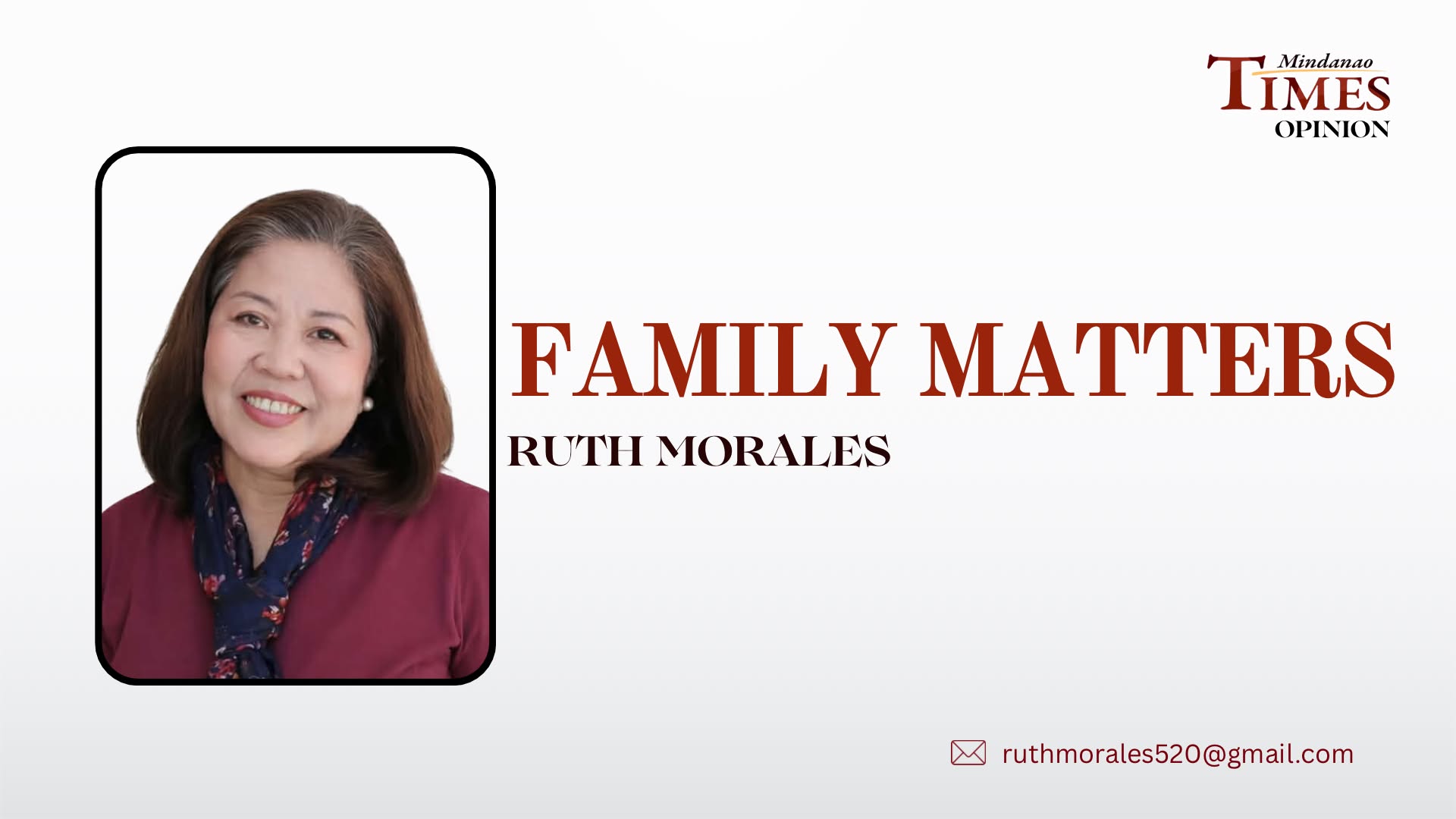
Ruth Sitchon Morales is a full-time instructor at a state university in Mindanao, specializing in foreign language education. She is a resource speaker, freelance writer, and textbook author, and is currently pursuing doctoral studies in applied linguistics. Along with her husband and their three children, Ruth served as an ESL teacher and a cross-cultural worker in China, Malaysia, Thailand, and Africa. Her formal studies in foreign languages, enriched by immersion in diverse foreign and local cultures, have given her a broad perspective on life and a wealth of stories to share with her readers.