



THE DAVAO City Water District (DCWD) is fast-tracking the installation of inline boosters to push water in 24 identified critical locations that would experience low pressure or no water during peak hours of water usage.
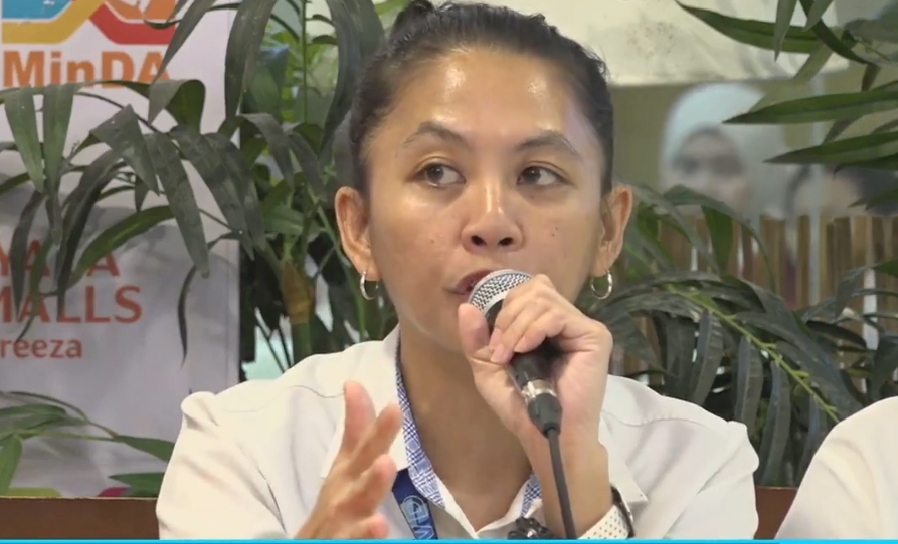
During the Habi at Kape media forum, Jovana Cresta Duhaylungsod, DCWD spokesperson, reported that the procurement of materials, which is crucial to the installation of booster pumps, is already ongoing.
“Hopefully we can finish procurement by November and start installation by December and finish around that time,” Duhaylungsod said.
As to the securing of barangay clearances and resolution, the water district is coordinating with the barangays where the boosters are to be installed for the finalization of locations.
The 24 locations are situated in 16 barangays, and of this number, the water district has conducted presentations to 10 barangays.
The district has allocated P15 million for the materials and other necessary items for the installation.
The identified critical areas include Shrine Hills to Langub; Kabacan-Katonggan, Barangay Bucana; Pag-ibig Heights & Villa Corazon, and SANAI Village, Campo Uno, Barangay Catalunan Grande; from Bolton Isla to St. John, Barangay Bucana; and Gaisano Relocation, Barangay Matina Pangi.
Also included are Monteritz Cistern to Victor’s Residences, Barangay Magtu-od; Hillside Subdivision and Malibu Residences, and Margarita Village & Dumanlas of Barangay Buhangin; Belisario Heights; Guadalupe Village & Fortune Homes of Barangay Angliongto; and Hilltop, Bajada, Barangay 19-B.
Jacinto Extension & Piapi Boulevard, of barangays 21-C, 22-C & 31-D were also included, along with Mintrade to South San Juan, Barangay Centro; Jerome, North San Juan & Southbay, Lapu-Lapu & Centro; Old Airport Road & Immediate Environs, Doña Salud, Airview Heights and immediate environs, and Socorro Village and nearby communities of Barangay Sasa; Vista Verde Subd. 1 & 2 and Empress Subd., Panacan Relocation, Sarmiento Village and Luzville Subd., Barangay Panacan, and Biao Tienda, Barangay Ula.
Duhaylungsod said these are the priority areas for installation of the inline booster pumps.
“During normal operations, adequate ang ilahang supply. However, if mo-reduce to critical levels ang atong supply from Apo Agua, while naa tay augmentation sa atong mga groundwater sources, these areas are expected to experience low pressure to no water during peak hours,” she said.
The district said these areas fall into two profiles; some are in elevated locations that depend on natural water pressure and would be the first to lose supply during a shortage.
Meanwhile, others are described as “geographically challenged,” not elevated, but located in clusters served by small pipelines that were never upgraded because of right-of-way constraints, even as the number of service connections they serve has grown.
“The booster pumps will help improve water supply availability in these areas even if we have constrictions in terms of mainline availability,” she said.
The water district said it has enough water to meet daily demand despite the looming El Niño.
Duhaylungsod said that a drop in supply from its bulk water provider to 150,000 cubic meters per day is the threshold at which some areas would begin to feel the effects.
DCWD said it currently has about 688,000 cubic meters of available water, of which 300,000 cubic meters comes from its surface water supplier, Aboitiz, and 388,000 cubic meters from groundwater sources.
Daily operations require only about 381,000 cubic meters to serve the district’s 280,000 service connections, leaving about 301,000 cubic meters in reserve.
The reserve is stored in groundwater sources, as DCWD prioritizes distribution of surface water supply.
DCWD said it is closely monitoring the supply from Aboitiz because surface water is more vulnerable to El Niño, being exposed to higher temperatures and evaporation.
Groundwater, which lies about 150 to 200 meters below the surface, is less affected, as the district has not yet seen any significant effect on its supply.
If supply falls to 150,000 cubic meters, some areas would experience low water pressure to no water, but the official said this would not require rationing orders or long service interruptions.
On whether it would pass on rising costs to consumers, DCWD said a scheduled rate adjustment was already in place before the global crisis, wars, and fuel price increases.
The first tranche, 12.5%, was implemented earlier this year, and a second tranche of 13% is scheduled for 2027.

