

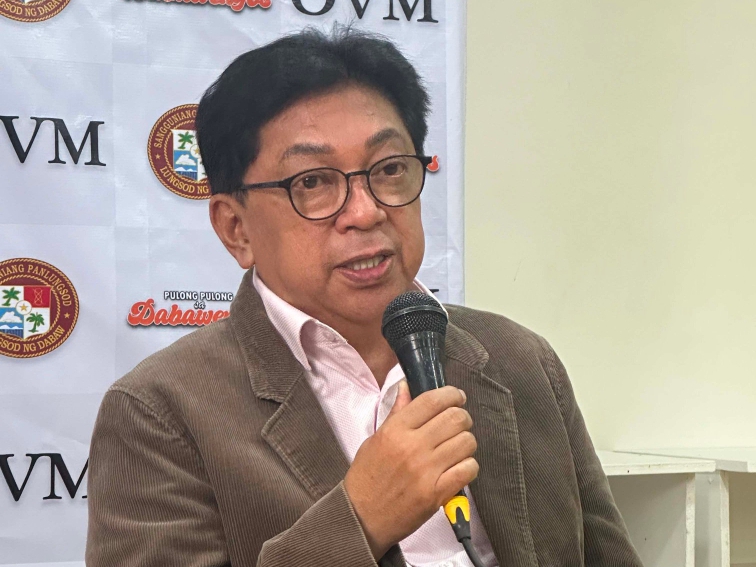
KIRSON L. CASTAÑOS & ERMARD JHON AYOC/DSSC Interns
A LAWMAKER defended the Davao City Bus Project amid the protests coming from Youth Advocates for PRO-People Transport (YAPPT) Network, whose members distributed flyers across the city, fanning the opposition to the multi-billion-peso system.
During Pulong-pulong sa Dabawenyos on Tuesday, July 7, Councilor Danilo Dayanghirang, chairperson of the committee on finance, means and ways, and appropriation, addressed concerns surrounding the project, particularly the opposition from transport groups and questions about its impact on drivers, operators, and commuters.
YAPPT claimed that around 24,000 drivers and operators could lose their livelihoods and questioned the project’s cost, implementation, and transition measures.
In response, Dayanghirang said the project is designed to benefit a greater number of commuters while ensuring that drivers and operators are not left behind.
“They can also strengthen the cooperative of the driver’s association. Any changes can definitely have an impact. However, this does not affect the jeepney driver’s livelihood,” he said.
He said the city government is pursuing a “win-win” solution by strengthening transport cooperatives and providing social preparation, including scholarship opportunities for the children of some drivers.
The councilor downplayed fears that the bus system would displace jeepney operators, noting that only about 20 buses are currently operating in a city as large as Davao. He said the limited number of buses would have only a minimal impact on existing public transport, adding that both buses and public utility jeepneys remain insufficient to meet the city’s transportation needs.
When asked how the public could be certain of the project’s advantages, Dayanghirang responded that significant changes inevitably elicit both support and opposition. He underlined that social preparation is continuing and that the city government does not intend to let operators and drivers lose their jobs.
The discussion also covered commuter complaints about long waiting times, particularly at SM Ecoland, where passengers—including senior citizens, persons with disabilities, and pregnant women—have reportedly waited two to three hours for buses.
Dayanghirang acknowledged the concern, explaining that the city has also leased buses to supplement operations and improve service.
Responding to rumors that the city buses would eventually charge fares, Dayanghirang denied the claim. He said the Duterte administration’s policy is to keep the service free, arguing that residents have already contributed through their taxes.
From the perspective of the finance committee, Dayanghirang said the Davao City Bus Project remains financially viable because it is anchored on public service and sustainability.