

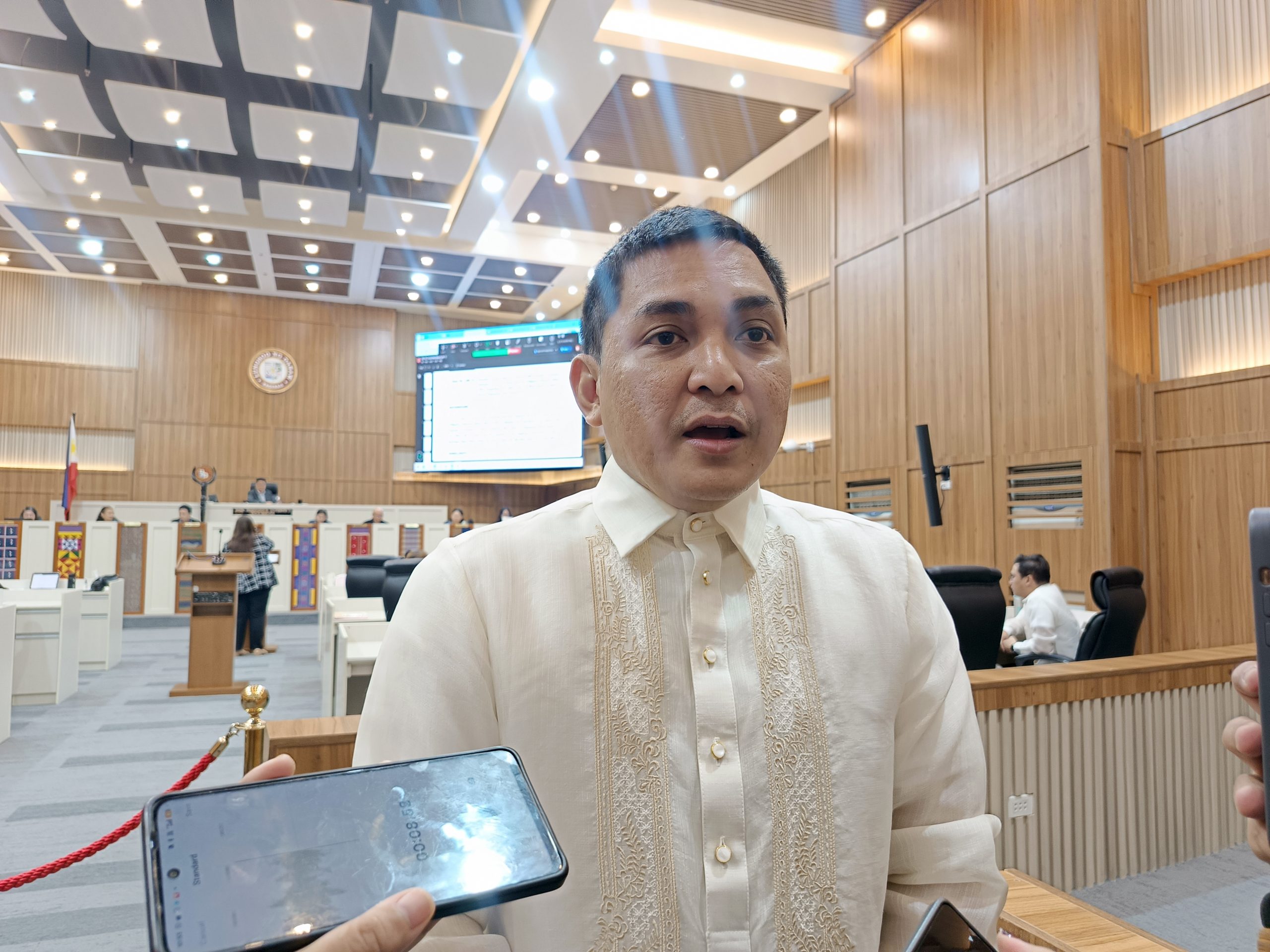
A LAWMAKER pushed to declare a policy of zero tolerance in the city amid recent incidents involving the death of a pedestrian due to an alleged drunk driver.
Councilor Angelo Mahipus Jr. proposed a resolution during Tuesday’s regular session calling for a stricter enforcement of Republic Act No. 10586, or the“Anti-Drunk and Drugged Driving Act of 2013.”
Mahipus said recent incidents within the City, including the Davao City Coastal Road, Catalunan Grande, Buhangin, and Quimpo Boulevard, resulted in the loss of lives, under circumstances indicating possible alcohol-impaired driving during late-night and early-morning hours.
“These incidents reveal a pattern of preventable harm, particularly affecting pedestrians and other vulnerable road users, and underscore the urgent need for strengthened enforcement and community intervention,” he added.
Despite the existence of a national law, there is a need for more effective enforcement.
“It is necessary to ensure that law enforcement agencies are adequately equipped and strategically deployed, especially during late-night and early-morning hours, to prevent incidents before they occur,” he stressed.
The councilor said strict enforcement will require personnel deployment, operational visibility, and sufficient equipment, particularly breath analyzers, to support lawful apprehension and testing.
The councilor called on the Land Transportation Office (LTO) -XI, including the City Transport and Traffic Management Office, the Philippine National Police Traffic Enforcement Unit, and the Davao City Police Office, to strictly and consistently enforce the national law, particularly the mandatory alcohol and chemical testing of drivers involved in vehicular incidents resulting in injury or death.
He also called on the line agencies to intensify checkpoint operations, especially during late-night and early morning hours, in areas identified as high-risk corridors.
Establishment of additional checkpoints in strategic locations, especially in the vicinity of bars, restaurants, and similar establishments, for the purpose of deterring and detecting impaired driving, is also urged.
Mahipus stressed that the availability and use of appropriate testing equipment, including breath analyzers and other authorized devices, to support enforcement operations is also critical.
He added that timely reporting and proper documentation of incidents to LTO is urged for appropriate administrative action.
Mahipus said while liability for criminal acts rests upon the offending driver, establishments serving alcoholic beverages have a role in early intervention by discouraging intoxicated individuals from operating motor vehicles.
Establishments are urged to exercise in good faith efforts to discourage visibly intoxicated individuals from operating motor vehicles and assist, when necessary, in facilitating safe alternative transport arrangements.
The councilor called on appropriate government offices to prioritize funding and logistical support for enforcement operations aimed at preventing drunk driving.