



A new initiative aimed at strengthening digital literacy, ethical artificial intelligence use, and entrepreneurship among students was launched in Mindanao following the observance of Safer Internet Day 2026.
The program, called Project Pastil, was introduced through a partnership between Globe Telecom and Ayala Foundation at the University of Southern Mindanao in Kabacan town, this province.
Project Pastil takes its name from a popular, affordable rice meal commonly consumed by students. Organizers said the concept reflects the program’s goal of providing accessible “nourishment” for young minds by equipping them with essential digital skills and awareness, particularly in underserved communities.
The initiative is anchored on the theme “Ako, Ikaw, Tayo: Konektado at Protektado Laban sa OSAEC at CSAEM,” which emphasizes collective responsibility in addressing Online Sexual Abuse and Exploitation of Children (OSAEC) and Child Sexual Abuse or Exploitation Materials (CSAEM). The program aims to translate this advocacy into practical support by training students to become responsible digital citizens.
The University of Southern Mindanao, established in 1952 and granted university status in 1978, served as the pilot site for the program. The institution has been recognized for its academic strengths in science, technology, agriculture, and industry, while also promoting digital inclusion through initiatives such as hackathons, information and communications technology workshops, and youth leadership activities.
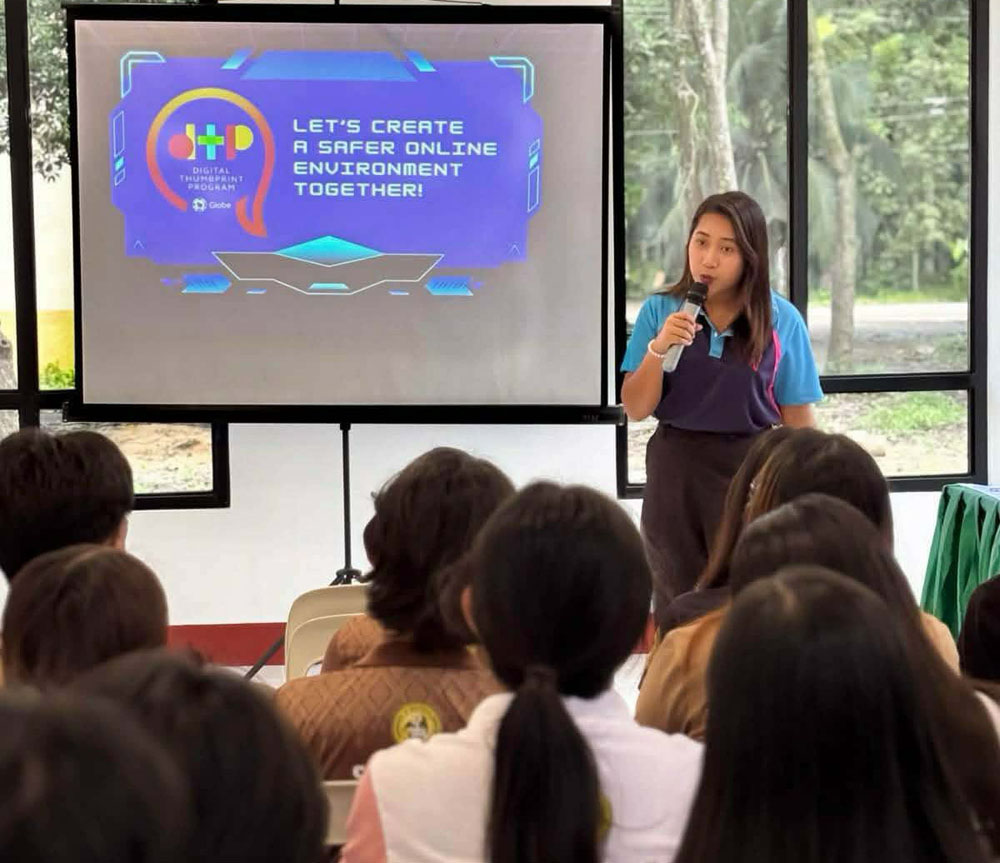
As part of the launch, Globe conducted sessions under its Digital Thumbprint Program (DTP), which is now in its tenth year. The program provides training on online safety, cybersecurity, data privacy, and critical thinking, with added focus on the ethical use of artificial intelligence.
Around 40 student leaders and learners participated in the workshop.
The training sessions were facilitated by Globe representatives, including a business development expert assigned to North Cotabato. Participants were introduced to practical strategies for navigating digital platforms safely and responsibly in both academic and community environments.
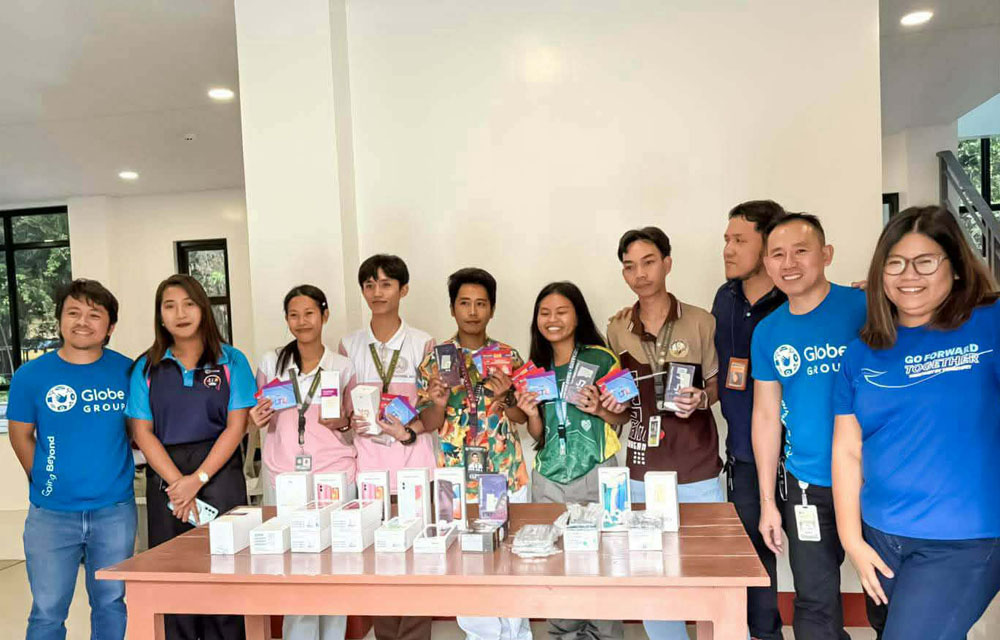
Project Pastil also introduced a technology-driven Globe Ambassador Program tailored for students in Mindanao. Selected participants, identified for strong academic performance but facing financial challenges, were provided with connectivity tools such as SIM cards and pre-owned 5G smartphones equipped with relevant applications.
Organizers said the ambassador program is designed to offer structured, part-time opportunities that allow students to gain real-world experience while earning income. The initiative also aims to reinforce leadership development without compromising academic responsibilities.
Officials from Globe highlighted that the program seeks to build students’ confidence, digital competence, and readiness for future careers. They emphasized that providing access to technology must be paired with proper guidance and responsible use to ensure long-term benefits for communities.
Representatives from the university expressed support for the initiative, noting that it provides both livelihood assistance and practical training in financial independence and digital responsibility. The partnership, they said, is expected to enhance student development and expand opportunities for those with limited resources.
Through its collaboration with the Ayala Foundation and volunteer groups, Globe said the initiative reflects a broader commitment to digital inclusion that goes beyond connectivity. Project Pastil is expected to expand in other areas, with the goal of preparing more young Filipinos to participate safely and responsibly in an increasingly digital society.

