

BY JERRY NIEL MORALES LORA/DNSC INTERN
THE CITY Council has moved to tighten the noose on herbicides, particularly glyphosate, after approving on first reading on Tuesday, Feb. 3, a proposed ordinance regulating their sale, distribution, and use.
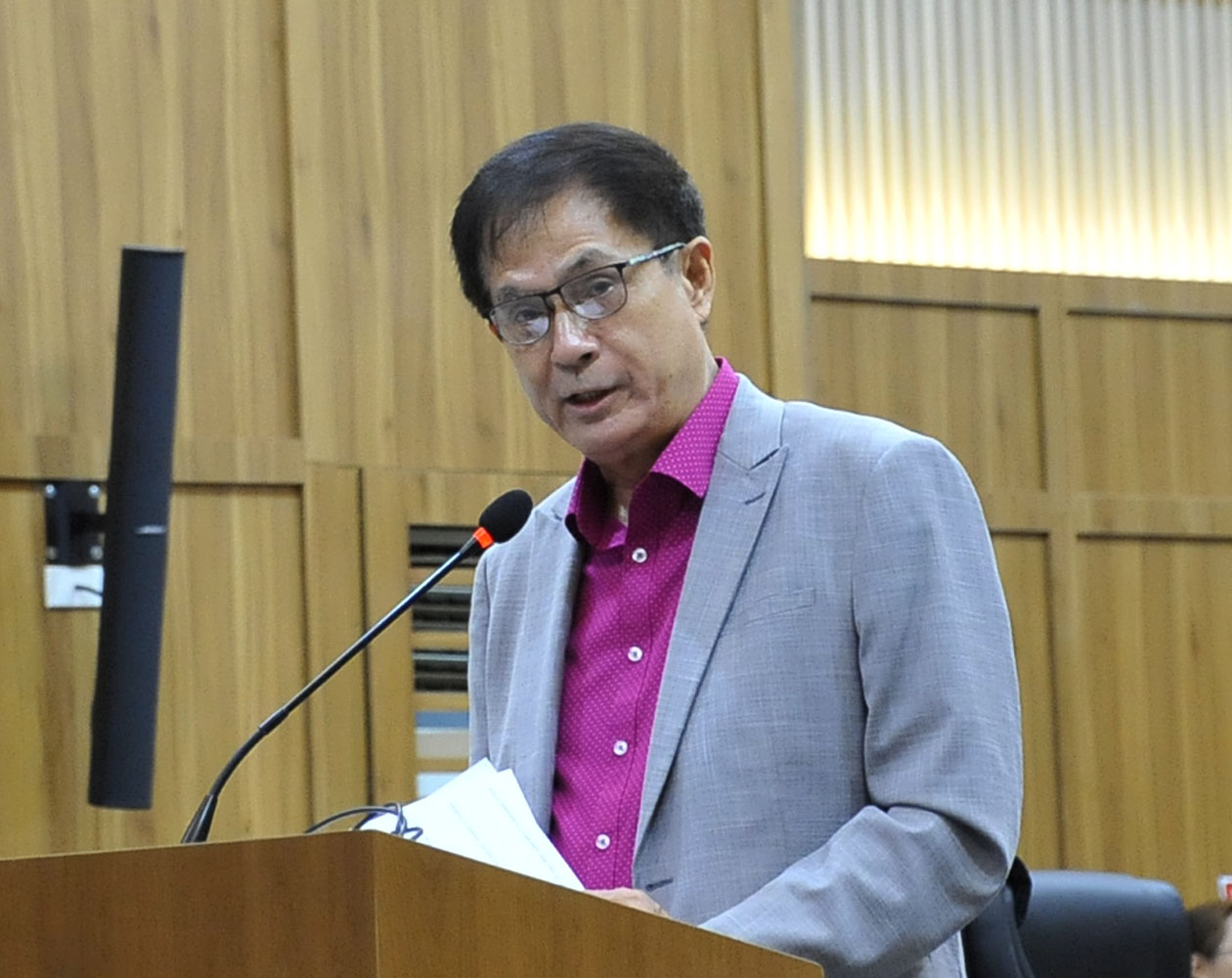
In his privilege speech, proponent Councilor Ralph O. Abella, chairperson of the committee on agriculture and food security, said the proposal is not anti-farmer but aims to address gaps in the regulation, safety training, and protection of communities exposed to herbicide use.
“Mga bata, mga pamilya, ug kita nga mga konsyumer, mga kauban sa konseho, kini dili anti-farmer nga lakang, kini pro farmer, pro health, pro environment nga ordinansa (Children, families, and we as consumers, my colleagues, this measure is not anti-farmer. This is a pro-farmer and pro-environment ordinance),” Abella said.
Abella mentioned that modern agriculture increasingly relies on chemicals such as glyphosate, commonly found in products like Roundup, which may pose risks if used improperly or without sufficient oversight.
“Modern agriculture is no longer about soil, water, and sunlight. It includes chemicals that are invisible, but we will possibly feel the negative effects. One of these is glyphosate, or better known to farmers as Roundup,” he added.
The proposal comes as some local governments strengthen agrochemical policies. In Quirino Province, for instance, legislators passed Ordinance No. 01, Series of 2023, which banned glyphosate-based herbicides to promote organic farming and protect public health and the environment.
Meanwhile, Abella clarified that the ordinance seeks to ensure proper use rather than impose a ban, noting that misuse could contaminate soil and water and affect residents living near farmlands.
Under the proposed measure, herbicide dealers would be required to register annually, while users must complete a mandatory safety orientation, and the regulations will prohibit spraying near water sources, schools, hospitals, and residential areas during strong winds.
The ordinance also mandates proper labeling, the use of personal protective equipment (PPE), and the imposition of penalties for violations.
The proposed ordinance was passed under first reading and referred to the appropriate committees for further study and recommendation.