

THE DEPARTMENT of Environment and Natural Resources (DENR) XI, through its Conservation and Development Division-Protected Area Management and Biodiversity Conservation Section (CDD-PAMBCS), successfully conducted the
The 2026 Asian Waterbird Census (AWC) recorded a total of 20,620 individual birds, representing 52 species, Department of Environment and Natural Resources-XI (DENR XI) reported.
The CDD-PAMBCS conducted the monitoring from Jan. 3 to 18, 2026.
The activity covered nine AWC sites across the region, including Barangay Magnaga in Pantukan, Davao de Oro; Cambaleon, Governor Generoso, and Banaybanay in Davao Oriental; Panabo, La Paz–Carmen, Libuganon, and Busaon in Davao del Norte; Malalag and Padada in Davao del Sur; and the Davao River (Bucana) in Davao City.
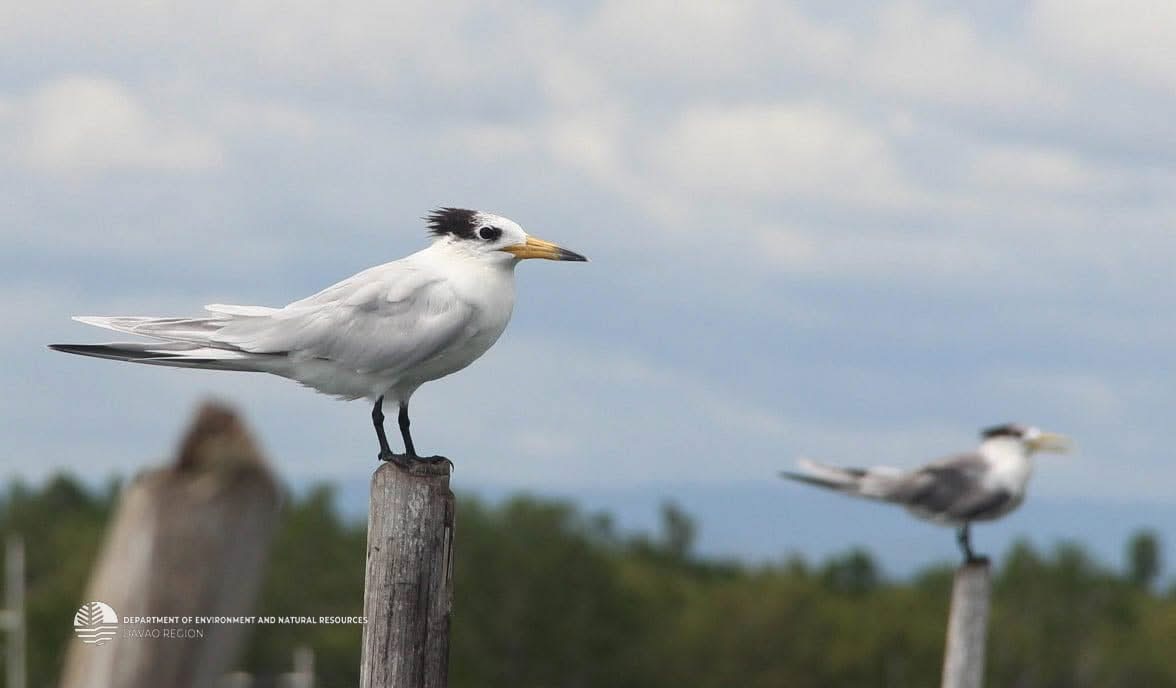
DENR reported a sighting of the Chinese Crested Tern (Thalasseus bernsteini), a critically endangered species known as the “Bird of the Legend.”
The Chinese Crested Tern was first recorded along the Panabo Coast in 2018. It was believed to be extinct until its rediscovery in the early 2000s.
“The species has an estimated global population of only about 100 individuals, making it one of Asia’s rarest and most threatened seabirds,” DENR reported.
The census confirmed at least two individuals in the Panabo–Carmen wetlands. DENR said this is the eighth consecutive year of occurrence in the area.
Birders Pete Simpson and Bram Demeulemeester made the initial observations in December 2025, with subsequent sightings in January.
The DENR-Cenro Panabo team recorded a new sighting on January 28.
“Continued monitoring is scheduled in February to further document the species presence,” DENR said.
The highest bird count was recorded in the Panabo–Carmen Wetlands, with 7,358 individuals, while the lowest counts were observed in Davao River (Bucana) and Magnaga, each with 84 individuals.
“The current birdcount demonstrates an upward trend, indicating a habitat suitability to the migratory birds,” DENR stated.