

DAMOSA Land enters 2026 with a disciplined growth agenda focused on sustainable expansion and community-centered development across Mindanao, as it outlines plans to scale its portfolio through new projects and strategic expansions outside Metro Manila.
“In 2026, our focus is on scaling responsibly by aligning commercial viability with long-term impact,” said Ricardo F. Lagdameo, president of Damosa Land, Inc. “We continue to see strong opportunities in Mindanao where thoughtful development can unlock economic activity, strengthen local ecosystems, and improve quality of life.”
Amid evolving market demand and broader macroeconomic headwinds, Damosa Land is prioritizing projects that address real market needs. Its 2026 pipeline includes new developments and expansions across Mindanao and select provincial growth corridors, spanning business parks, hospitality assets, and integrated communities designed to support tourism, trade, and local enterprise.
Damosa Land is advancing expansions across its commercial, industrial, and residential portfolio—including Agriya township, Kahi Estates, Damosa IT Park, and ongoing developments within Anflo Industrial Estate.
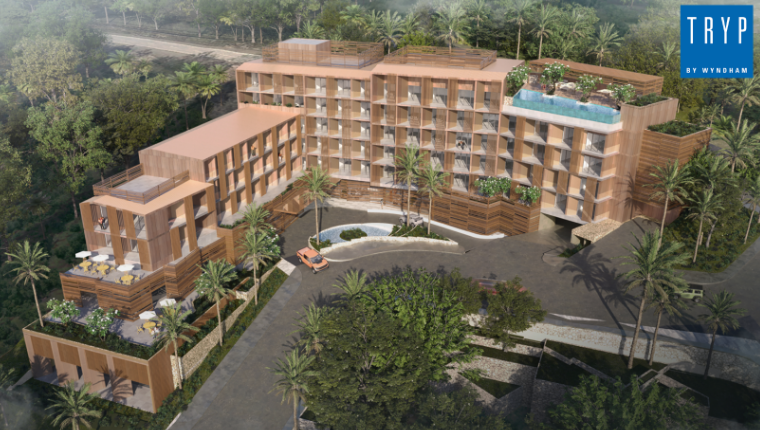
These developments reflect Damosa Land’s broader strategy of using flagship projects to anchor long-term regional growth. The year begins with a major milestone as Damosa Land kicks off 2026 with the launch of TRYP by Wyndham Samal, its landmark hospitality development on Samal Island.
Beyond its commercial potential, TRYP by Wyndham Samal is expected to serve as a catalyst for tourism growth and local employment, strengthening the Davao–Samal economic corridor and reinforcing Damosa Land’s strategy of using hospitality-led projects to anchor long-term regional development.
“Developments like TRYP by Wyndham Samal reflect a broader shift toward regional, well-planned investments that go beyond individual projects. For Damosa Land, our strategy has always been to build integrated communities—across residential, commercial, industrial, and tourism sectors—that support inclusive growth, generate long-term economic value, and strengthen the regions where we operate,” Lagdameo concluded.