

BY ALEX ALAGON

BY ALEX ALAGON

So bars and related establishments owners in Davao City are proposing to the local government that the allowable hours for selling liquor from the current 10 in the evening to 12 midnight be extended by at least another two hours. That is, from 10 p.m. to 2 .M.
The city is implementing an ordinance banning the selling of liquor by establishments like bars, night clubs and related watering holes all over the city. Since the the effectivity of the ordinance, bar and related establishment owners have been complaining, though less vocally, of diminishing income due to the short window hours for liquor enthusiasts.
Then last July 30 owners of such businesses finally had the courage to voice out their concern. They did it during an assembly set by the City’s Vice Regulatory Unit (VRU) headed by Jacy Jay Francia.
The ban which is provided under the so-called “Sobriety Ordinance” mandates that buying and selling of liquor and drinking in public places is no longer allowed from 1 a.m. to 8 a.m. The ordinance also prescribes that the last order for liquor must be done by customers and catered to by the concerned establishments by 12 midnight. Huge fine is imposed on violators.
And finally the owners of such business firms gathered enough courage to voice out their complaints against the ban and hope to get the ears of the members of the City Council.
Well, our take on the issue is that with the present Sanggunian members it is not far-fetch that they might consider studying the existing “sobriety ordinance.” After all, the bigger the income of establishments catering to the most common of people’s vices – drinking intoxicating beverages – the bigger the income of the city from out of taxes levied on liquor and wine.
We would therefore not be surprised if the owners of bars, night clubs and watering holes disguising as simple restaurants be toasting to every liquor aficionado, “Let us drink to that,” once they get what they desired for long – extending the hours allowed for selling liquor.
But why are only a few such establishment owners or operators joining the clamor for amending the ordinance?
To quite the column head of our fellow former Mindanao Times editor-in-chief Ed Fernandez, “Plain and Simple,” many among the establishments are actually selling liquor and related drinks even during the prohibited hours. They do it clandestinely though.
*****************************
A member of the Davao City Police Office (DCPO) was tested positive of illegal drugs during a recent random testing done by the police command.
The identity of the non-commissioned member of the police was not revealed as well as the unit where he is assigned.
From the statement made by DCPO acting director Manan Muarip his office is taking the necessary administrative and legal actions against the concerned policeman.
From where we are perched we view the acting DCPO director as one sincere and no-nonsense police official. Therefore, we are certain that he will not allow this violation by a member of his force of one no-no practice by an officer of the law to escape unpunished.
We have no doubt the Colonel will allow this early for his stint as Davao City Police Director to be tarnished with any wrong-doing of a single member of his command.
The addictive drug-positive policeman must be made to suffer the consequence of his action. After all, in tarnishing himself he also will likely destroy the reputation of the entire Davao City Police command. More so, if he will be allowed to escape accountability of his action.
Let the axe fall on him with full force should the investigation prove his undesirable demeanor.
************************
Well, no less than the Congressman of the lone district of Davao del Sur is sponsoring a bill seeking to convert the Municipality of Sta. Cruz in the same province into another city.
Income-wise Sta. Cruz very well qualifies to become a component city. By population it too meets the requirement.
But what is going to happen to Davao del Sur if so much in its present income will be taken from it? Imagine how much will be lost from the provincial treasury if the share of the province of Davao del Sur from taxes paid by such corporate giants as San Miguel Corporation, Franklin Baker Corp. the Sea Oil Depot, part of Aboitiz-owned Therma South, Hedcor Sibulan, and several other high-income firms.
Of course, there are new large establishment sprouting in other municipalities of the Southern Davao Province. Hence, we assume that the Congressman Bill sponsor, knows his province more than anybody else.
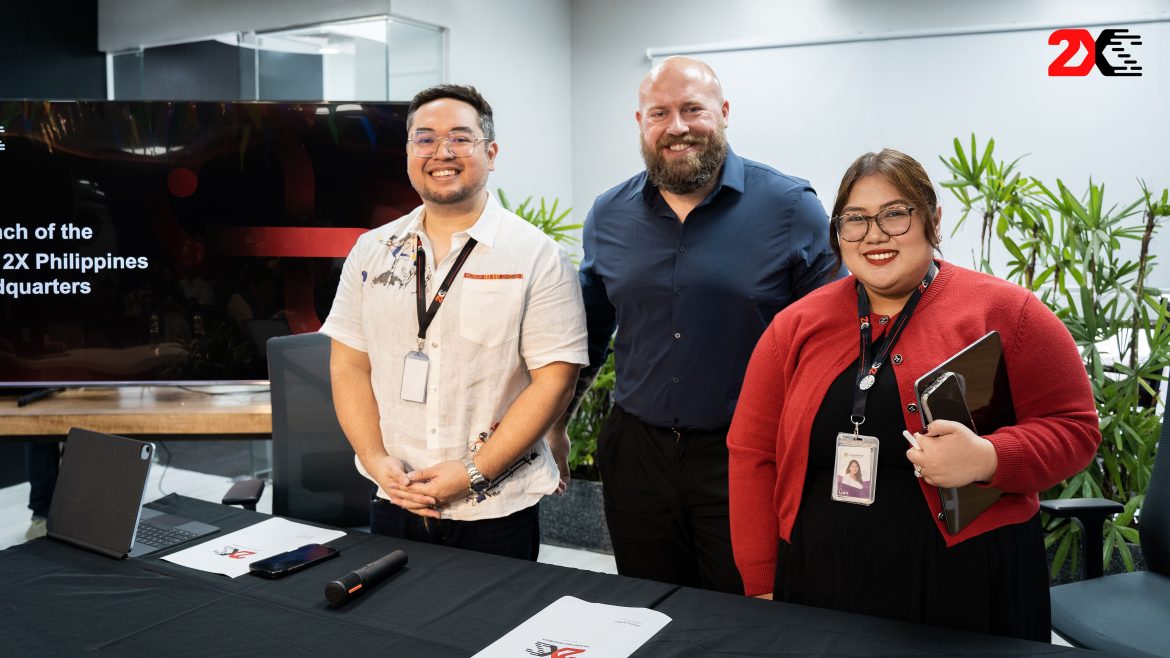
PASIG CITY, PHILIPPINES – 2X, the world’s leading subscription-based go-to-market (GTM) service provider, officially launched its new Manila headquarters today, August 8, 2025, marking a significant milestone in the company’s continued expansion and its commitment to delivering world-class go-to market solutions, driven by its global team, with the Philippines playing a pivotal role in that success.
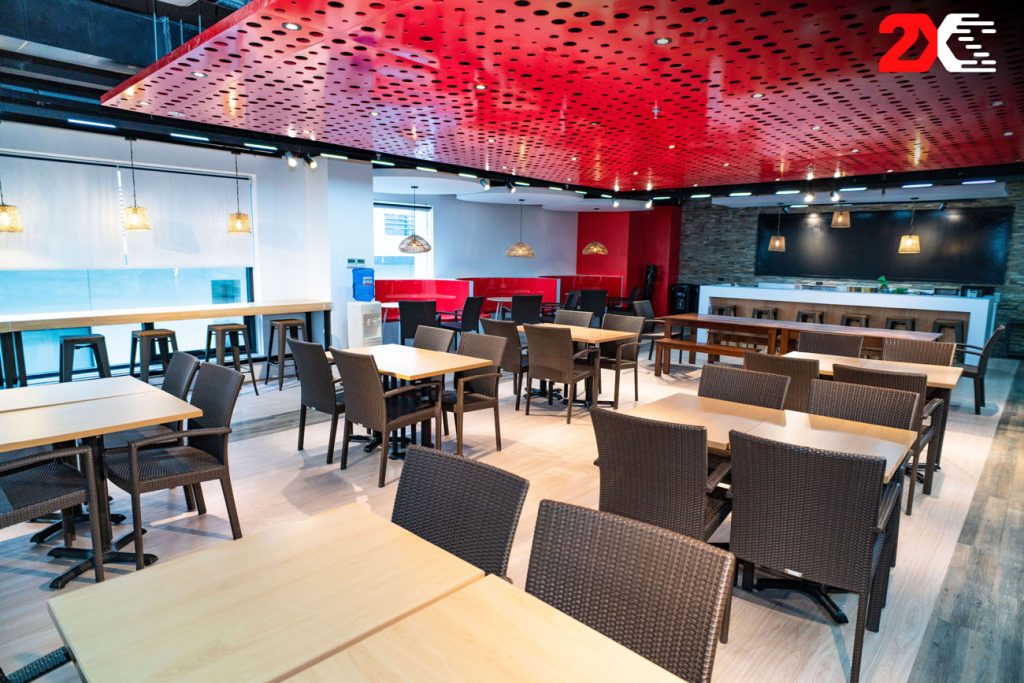
The new office, located at Level 4, Silver City 3, Central Avenue, Ortigas East, Brgy. Ugong, Pasig City, will serve as a strategic hub for innovation, collaboration, and talent development. It features modern collaborative and inclusive spaces, advanced technology infrastructure, and amenities designed to support 2X’s growing team of B2B marketing and GTM professionals.
To celebrate, 2X hosted a media event featuring office tours, executive presentations, and insights into 2X’s continued growth plans in the Philippine market.

The launch represents more than just a physical expansion. It underscores 2X’s strategic investment in Filipino B2B marketing and GTM professionals and reinforces the Philippines’ growing reputation as a global center of excellence for marketing talent. 2X leverages the expertise of Filipino talents to deliver world-class marketing solutions to over 150 global enterprise clients, consistently exceeding international standards.
“This new office reflects our long-term commitment to building a world-class hub that empowers our team to deliver results to our clients worldwide,” said Andrew Ike Waga, Country Manager, Philippines of 2X.
As a pioneer in the subscription-based GTM service model, 2X bridges global marketing and GTM strategy with local execution excellence. The company’s hybrid approach enables Philippine-based teams to deliver comprehensive marketing operations that span strategy development, campaign execution, and performance analytics, all under a cohesive framework that meets the growing demand for agile, scalable solutions.
“This expansion represents a significant long-term investment in our growth strategy, leveraging the Philippines’ operational efficiency to deliver exceptional value to our global clients,” said Brandon Sullivan, Chief Financial Officer of 2X.
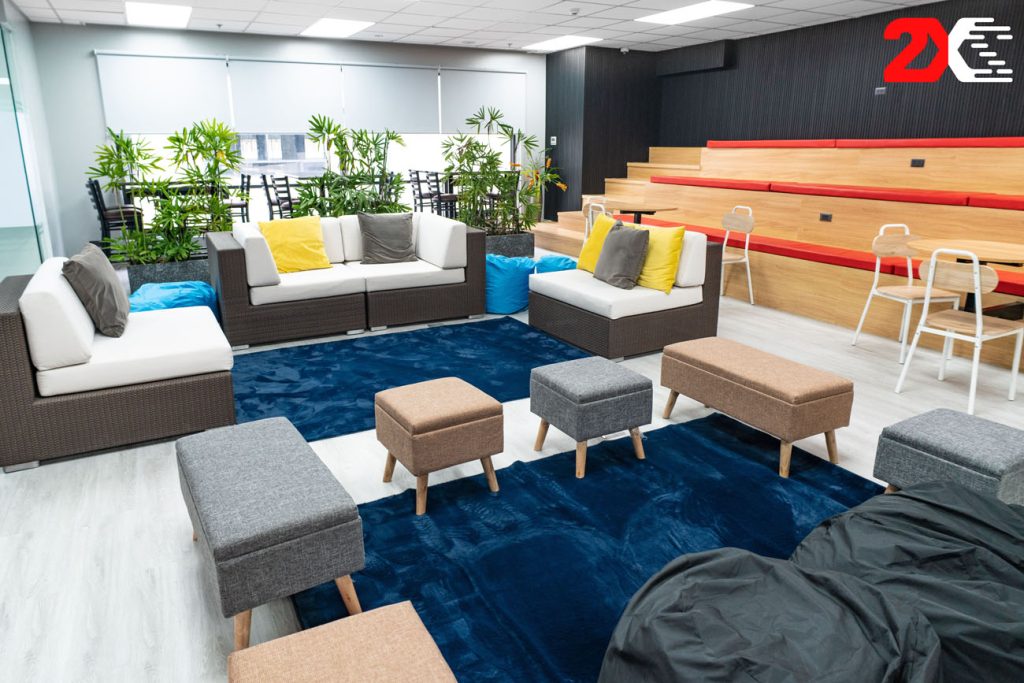
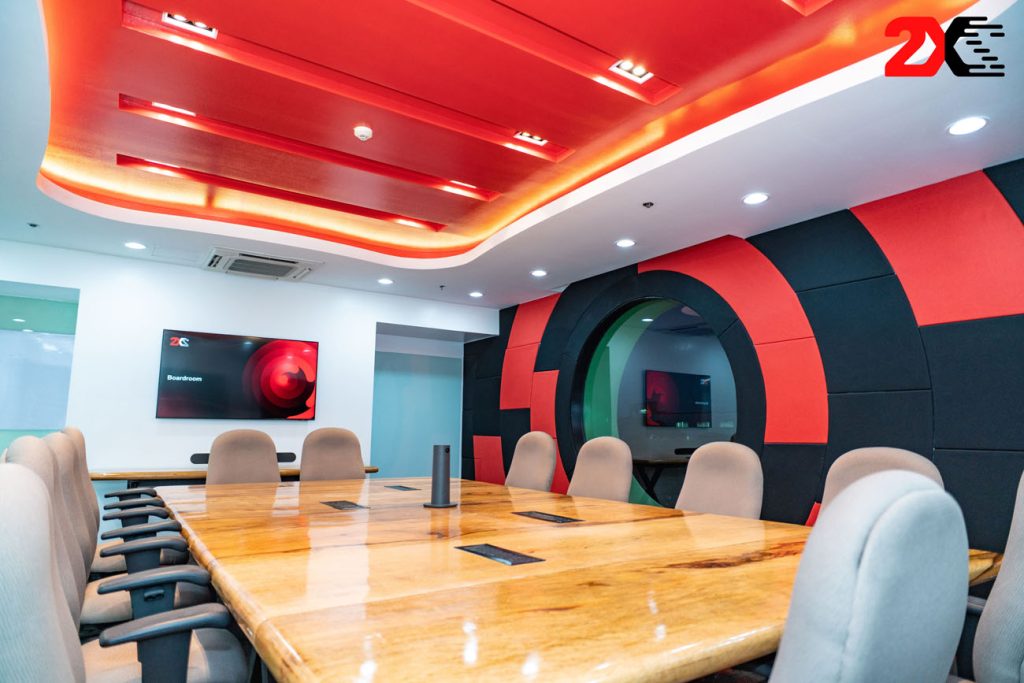
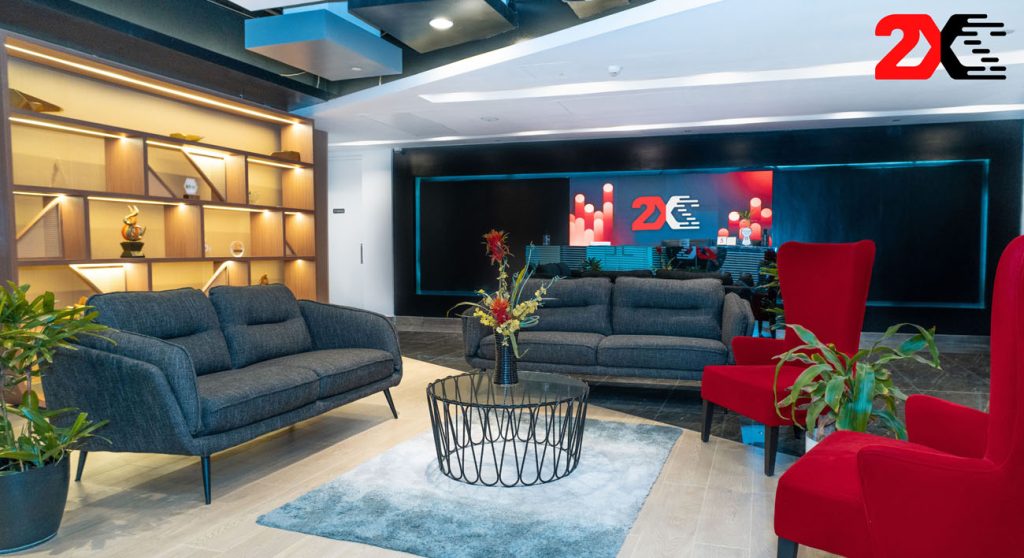
“Our new office embodies our people-first culture, designed to attract top talent and create meaningful career paths where our teams can grow and thrive,” added Lian Noble, Head of People, Manila and Global People Operations of 2X.
The office launch comes at a time when Philippine businesses are increasingly shifting from traditional, siloed marketing approaches to data-driven, tech-enabled marketing operations. 2X supports this transformation by demonstrating how local talent can lead global B2B marketing and GTM innovation while helping Philippine-based companies compete at international standards.
To further strengthen its commitment to growing local talent, 2X will host Talent Connect, an open-house recruitment event, in September 2025. The event will welcome job seekers for onsite interviews and direct interaction with company leaders, offering prospective candidates an opportunity to experience 2X’s culture firsthand while exploring career opportunities within the organization.

Five flagship brands from food and beverage firm Universal Robina Corp. (URC) have landed in an exclusive list of products consistently chosen by millions of Filipino households.
Great Taste, C2, Piattos, Nissin and Payless were all among the most chosen FMCG brands in the Philippines according to the 2025 Brand Footprint Report of global consulting firm Worldpanel by Numerator.
“The results of this study show that our brands continue to earn the trust and loyalty of Filipino consumers,” said URC Chief Marketing Officer Karen Ong. “We’re proud that our products remain staples in homes across the country,” she added.
The Brand Footprint report is Worldpanel’s annual ranking of the most chosen FMCG brands worldwide. It uses a metric called “consumer reach points” (CRP) to measure a brand’s strength based on how many shoppers are buying the brand and how often. It essentially shows which brands are winning at the point of purchase.
One CRP represents a single instance of a shopper choosing a brand – integrating data on population, penetration and frequency – to provide a holistic view of brand performance.
“With more time spent out and about and an easing of inflation, Filipinos shop more often. This means more opportunities for each brand to be bought.” said Marie-Anne Lezoraine, Managing Director for Worldpanel by Numerator in the Philippines
Coffee brand Great Taste was in the top 10 most chosen FMCG brands in the Philippines, with 367 million CRP. It was also the fourth most chosen brand in the beverage sector.
Ready-to-drink green tea beverage C2 also landed in the beverage sector list with 33 million CRP.
Potato snack Piattos outpaced its rivals in the food sector, holding steady at seventh in the rankings, with 180 million CRP.
Noodle brands Nissin, with 101 million CRP, and Payless, at 73 million CRP, likewise landed in the most chosen brands list for food sector.
Worldpanel said an economic rebound in 2024 had led to a 6 per cent jump in consumer spending on FMCG brands.
“Brands that remained visible and accessible during this recovery period saw stronger gains in consumer engagement,” said Karen Ong. “URC’s portfolio clearly benefited from that momentum.”
URC produces iconic brands such as Great Taste, C2 Cool & Clean, Piattos, Maxx candy and Cream-O cookies, which have been part of Filipinos’ lives for decades. One of the country’s largest food and beverage manufacturers, URC also has significant, and growing, presence in ASEAN. Its leading regional brands include Lexus, Tivoli and Fun-O.

VICE PRESIDENT Sara Duterte acknowledged the Senate’s decision to archive her impeachment complaint, stating that the public must respect the role of the legislative body.
However, she admitted that she had hoped for a full trial to present her evidence to the public.
During an interview with the media on Thursday, Duterte addressed the Senate’s 19-4-1 vote to archive the articles of impeachment.
“We need to respect the role of our Senate of the Philippines,” she said. “If that is the decision of the majority of the members of the Senate, everyone must follow and respect that decision.
When asked if the outcome was what she expected, the vice president clarified that her defense team was prepared for all possibilities.
“In truth, we didn’t have one particular expectation,” she said. “Everything that could possibly happen was prepared for by our defense team.”
She then reiterated that the Senate’s decision was one of the possible outcomes.
The vice president also spoke about her previous comment regarding wanting a “bloodbath.”
She clarified that this was not a literal statement but a desire for a full public airing of the case. “I wanted all the pieces of evidence from the prosecution and all the pieces of evidence from the defense to be presented for everyone,” she explained.
“But unfortunately, that is no longer the case at present.”However, she did not rule out the possibility of facing similar issues in the future.
“Possibly in 2026, 2027, or 2028, there will still be those who will file for impeachment, and that will be another opportunity to answer,” she added.

A TOTAL of 189 former communist rebels surrendered to authorities in Quezon, Bukidon on Friday, Aug. 8, 2025, which government officials said was a crucial step toward declaring the entire municipality as insurgency-free.
The mass surrender took place in Barangay Butong, where the former rebels, which included 44 from the Militiang Bayan and four from so-called “white areas,” took their oath of allegiance and turned over 72 firearms, including both high-powered and low-powered weapons.
According to Lt. Col. Tony Bulao, commander of the 89th Infantry Battalion, the surrenderees hailed from various communities in Quezon, Valencia City, San Fernando, and Kitaotao. He emphasized that the event marked a “crucial step” towards the municipality of Quezon being officially declared free from the influence of communist terrorist groups.
Senator Miguel Zubiri, who served as the guest of honor, pledged the government’s full support for the former rebels, who are referred to by the military as “friends rescued.”
In his message, Zubiri announced that his office would provide scholarships from the Technical Education and Skills Development Authority, as well as inclusion in other government aid programs TUPAD and Assistance to Individuals in Crisis Situation (AICS).
“I am so happy on this day because we were able to help our rebel returnees,” Zubiri said, noting that they had also provided immediate assistance, including rice, canned goods, and financial aid of P5,000 from the Department of Social Welfare and Development for each individual.
Major General Allan Hambala, commander of the 10th Infantry Division, welcomed the former rebels and assured them of the military’s support in their transition.
“Your struggle is not over because you have surrendered; it has stopped because you have realized that the path you were on was not the right one to achieve progress and peace,” Hambala said.
The event also featured powerful testimonies from the former rebels themselves.
Datu Santi, who was part of the movement from 2012 to 2017, expressed gratitude for his new lease on life.
“I thank God that we, former NPA, are still being taught the law. My life before was difficult; I was not able to go home. The loneliness was there. Now that I am with the government, I can be with my family,” he shared, urging remaining rebels to abandon the movement.
Maricel Coleta, another surrenderee, recounted her experience, saying that while it was initially enjoyable, it was eventually replaced by “loneliness for family, hunger, and hardship.” She thanked the government for giving them a chance to start over.
The ceremony was attended by 1003rd Infantry Brigade Commander Brig. Gen. Marion Ancao, local government representatives, and other military and police officials.
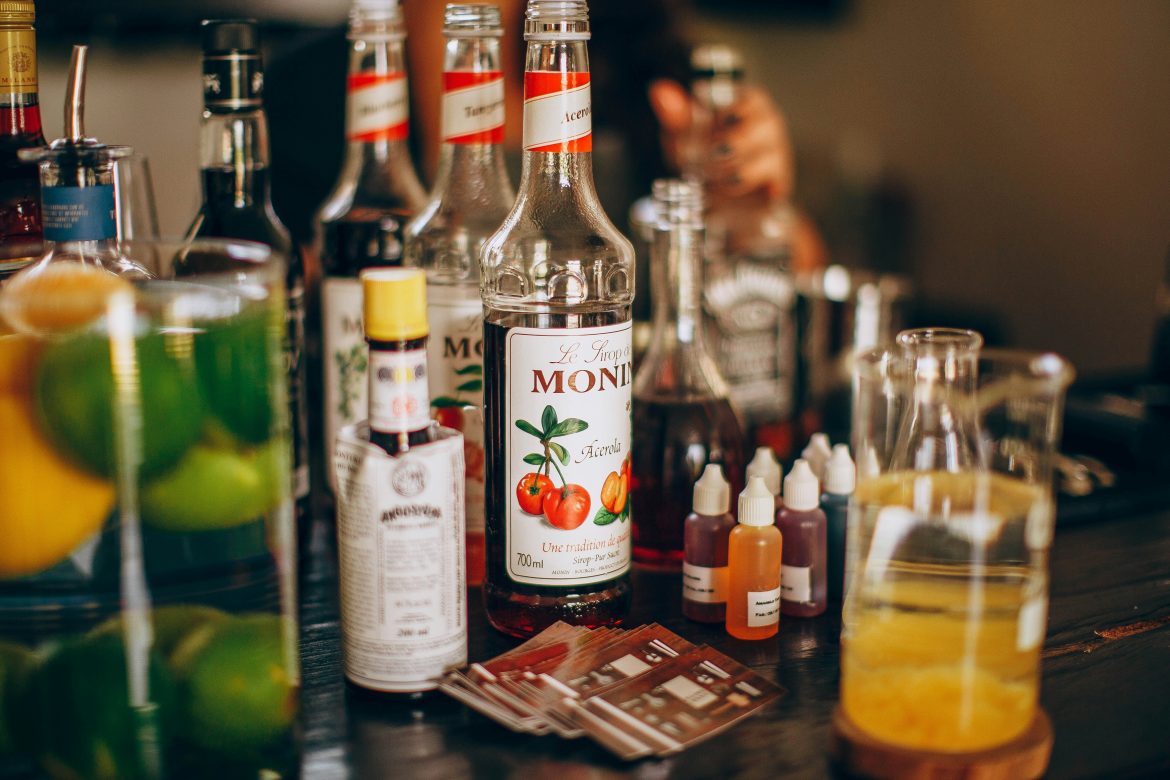
THE VICES Regulation Unit (VRU) recorded a significant increase in the collections from anti-smoking and liquor ban ordinances implementation for the first half of 2025, compared to the same period in 2024.
VRU head Jacy Jay Francia attributed the increase to the increased fees due to the amendments of the Anti-Smoking and Liquor Ban ordinance.
From January to June 2025, total fines and fees collected reached P8,431,200, nearly double the P4,754,500 in 2024.
Most of the 2025 collection came from anti-smoking citation tickets, amounting to P7,164,700, a sharp increase from P3,286,500 the previous year.
Fines from liquor ban violations also rose to P1,079,600 from P995,000 in 2024.
For the liquor ban ordinance, a few establishments have been apprehended due to operating beyond the allowable hours.
Francia said they keep track of the establishments with repeated violations and submit a report to the Business Bureau to be subject to business permit revocation.
Meanwhile, collections from the Sobriety Ordinance amounted to P112,400, which significantly decreased from P445,000 in 2024.
Francia said the decrease in the sobriety violation collection could be attributed to fewer personnel in the VRU doing the inspection. At present, there are only 50 volunteer personnel in the unit.
He added they plan to request additional personnel and to deputize personnel from the City Transport and Traffic Management Office to augment their force.
The designated smoking area permits also contributed to the increase, totaling P74,500. This comes from establishments that fail to follow the specific standards of a smoking zone, and have designated smoking zones but did not apply for a permit.
VRU is expecting an increase in collection in the upcoming Kadayawan Festival, with more visitors flocking to the city, as they might not be familiar with existing ordinances.
DAVAO Region’s total population as of July 1, 2024, has reached 5,389,422, as Southern Mindanao recorded a slower growth than the national average, according to the 2024 Census of Population (2024 POPCEN).
The total population of Region XI accounted for about 4.8% of the Philippine population in 2024, and ranked seventh among the country’s 18 regions in terms of population size.
The 2024 total population was higher by 145,886 compared to its population of 5,243,536 on May 1, 2020.
It increased by 0.66% on average annually from 2020 to 2024, which is lower than the Philippine growth rate from 2015 to 2020, which was at 1.46%.
For comparison, the population in 2010 was 4,468,563, and the 2015 population was recorded at 4,893,318.
Davao City topped the highest population with 1.85 million.
Meanwhile, of the five provinces, Davao del Norte had the biggest population in 2024 with 1.14 million, followed by Davao de Oro with 784,000; Davao del Sur with 705,000; Davao Oriental with 590,000; and Davao Occidental had the smallest population with 317,159.
Davao del Sur, on the other hand, was the fastest-growing province in the region, with an average annual population growth rate (PGR) of 0.86% from
2020 to 2024. In 2020, the province posted a population of 680,000.
It is followed by Davao Oriental with a PGR of 0.56%, Davao de Oro (0.50%), Davao del Norte (0.40%), and Davao Occidental posted the lowest provincial PGR of 0.03%.
The largest city/municipality in terms of population size is Tagum City in Davao del Norte with 300,042 persons, followed by Panabo City in Davao del Norte with 211,242 persons, and Digos City in Davao del Sur with 192,063 persons.

THE RIZAL Commercial Banking Corporation achieved in the first half of 2025 an unaudited consolidated net income of P5.3 billion, which is up by 20% from the same period in 2024.
RCBC president and CEO Reggie Cariaso attributed the significant increase to the bank’s core business growth, posting a 33% increase in net interest income with a Net Interest Margin (NIM) of 4.57% up from 3.71%.
The core business expansion was primarily driven by a 14% increase in the customer loan portfolio, with consumer lending contributing the highest uplift at 38%.
Credit cards and personal loans, on the other hand, grew by 47%; auto loans by 46% and housing loans by 24%. This is through the effective cross-selling initiatives supporting the strong momentum across all segments of the consumer portfolio.
RCBC Online Banking and RCBC Pulz, two of the bank’s digital finance solutions, augmented RCBC’s loan and income growth, as they cater to a wider range of customers.
“Our investments in our digital platforms have made banking more intuitive, more accessible, and a broader range of customers are starting to pay off with digital transactions,” Cariaso said during the Media Roundtable at Dusit Thani, Davao City, on Aug. 6.
As the bank continues to expand its digital user base, the digital transaction volumes have increased beyond 28%.
Cariaso reported that RCBC is the first bank in Asia to win Euromoney’s “Best Bank for Digital” award 6 years in a row.
This is among 23 other accolades that RCBC has won since January, recognizing the bank’s excellence in digital banking, customer service and financial inclusion among others.
“We’re going to make data-driven decision-making a core part of our way of doing things, so that we can make intelligent and resourceful decisions when we engage our clients. We’re investing in ways that we can understand our clients and get all their financial needs met through RCBC,” Cariaso added.
RCBC’s capital position remains strong at P163 billion, posting a 7% increase in line with increased earnings. The bank’s capital ratios are sufficiently buffered at 16.21% CAR and 13.71% CET1.

MANILA — GCash continues to bring future-forward innovations to the Philippines with the official launch of GCash Tap to Pay, a contactless payment system that lets users of the app pay merchants with just one tap of their smartphone. Now available to Android users, GCash becomes the first e-wallet in the country to enable NFC-powered payments, allowing users to log in to the GCash app, tap and pay at any Mastercard accepting POS terminal nationwide.
While Tap to Pay technology has long been the norm in major cities around the world, offering speed and convenience, this marks the first time such a seamless, NFC-based payment experience is being made widely accessible in the Philippines through a local e-wallet. With this innovation, GCash not only brings global payment standards to Filipinos but also reinforces its position as the country’s top fintech platform, continuously innovating to allow its users to level up their lives.
Tap into quicker – and safer – payments
From navigating morning grocery runs, commuting around the metro, to late-night dinner runs, errands, and schedules can already be difficult enough to manage, the last thing you need is the added burden of figuring out if you have enough cash to last you through the day.
GCash Tap to Pay is designed for ultimate convenience with quicker payments powered by Near Field Communications (NFC) technology. This allows devices in close proximity to exchange data securely. Each payment uses authentication protocols to verify user identity, while all transmitted data is encrypted, making transactions resistant to tampering and fraud. With this, GCash ensures that users enjoy a frictionless and protected payment experience every time.
Tap to Pay works at any terminal that accepts Mastercard payments, both locally and abroad. This partnership allows users to enjoy the same seamless tap-and-go experience wherever they go, even when traveling internationally, where it can be a huge hassle to be weighed down by a wallet filled with foreign coins, bills, and multiple cards.
Through this innovation, GCash eliminates the various everyday hassles by simplifying the payment process; just tap your phone, and you’re good to go. There’s no need to scan a QR code or fumble through your spare change, because all you need to pay for your morning cup of coffee or your unexpected grocery run is your smartphone – and no additional fees!
Experience payments in a tap today
Ready to experience effortless and secure payments? Activate GCash Tap to Pay and enjoy transactions in just one tap. Here’s how you can activate and use GCash with your phone:
One-Time Setup: How to Activate GCash Tap to Pay
How to use GCash Tap To Pay
Experience it for yourself today and download the GCash app on the App Store or Google Play Store.