


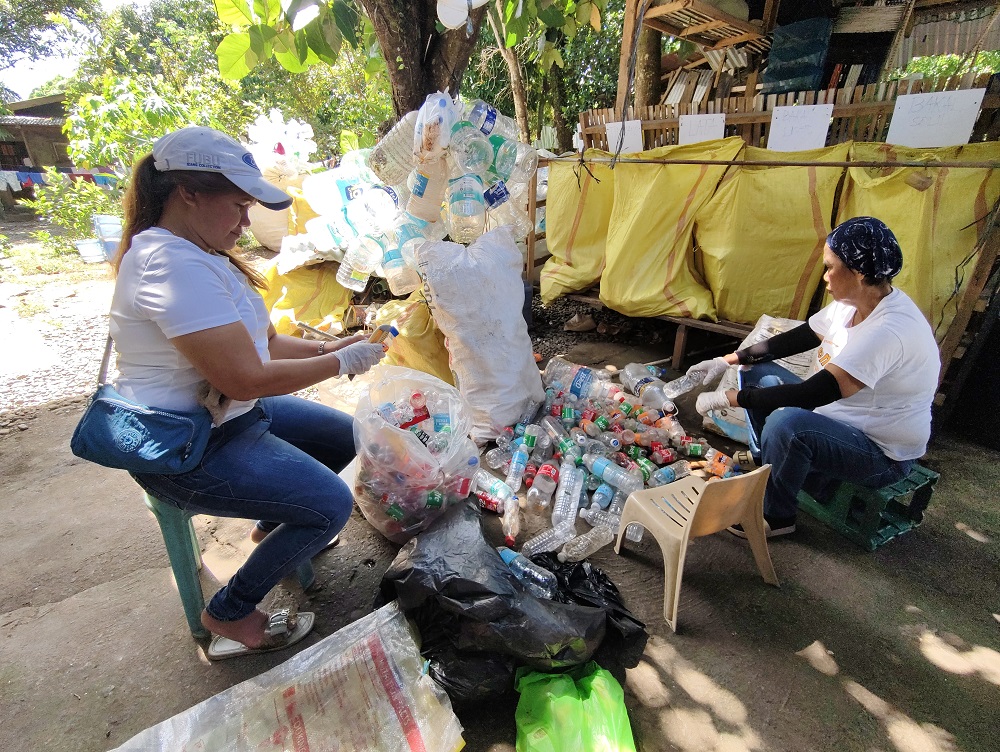
INTERFACING Development Interventions for Sustainability Inc. (IDIS) continues to promote waste reduction strategies through the Circular Economy 2025 to foster behavioral change in sustainable waste management and address climate change.
Circular Economy is an economic system that aims to keep resources for as long as possible throughout their lifecycle to sustain production and reduce waste and pollution. This circulation process involves the repair, reuse, refurbishing, and recycling of raw materials.
This initiative is implemented by the United Nations Development Programme (UNDP) and funded by the European Union (EU).

IDIS held a media tour on Dec 3 at key Lunhaw Awardee sites and drivers of the circular economy in Davao City that demonstrated sustainable waste management and resource recovery. The visited areas were the Toril Kalambuan Association (TKA), Mintal Resource Collectors’ Association (MiRCA), and Apo Natural Farms.
The activity was part of the Circular Economy project under the EU-Philippines Green Economy Partnership for Circular Economy Education and Behavioral Change.
TKA is a women-led community organization known for upcycling projects of transforming waste materials of plastic sachets and cartons into handicrafts (bags and accessories) that also provide income for the members, as well as promoting sustainable practices.
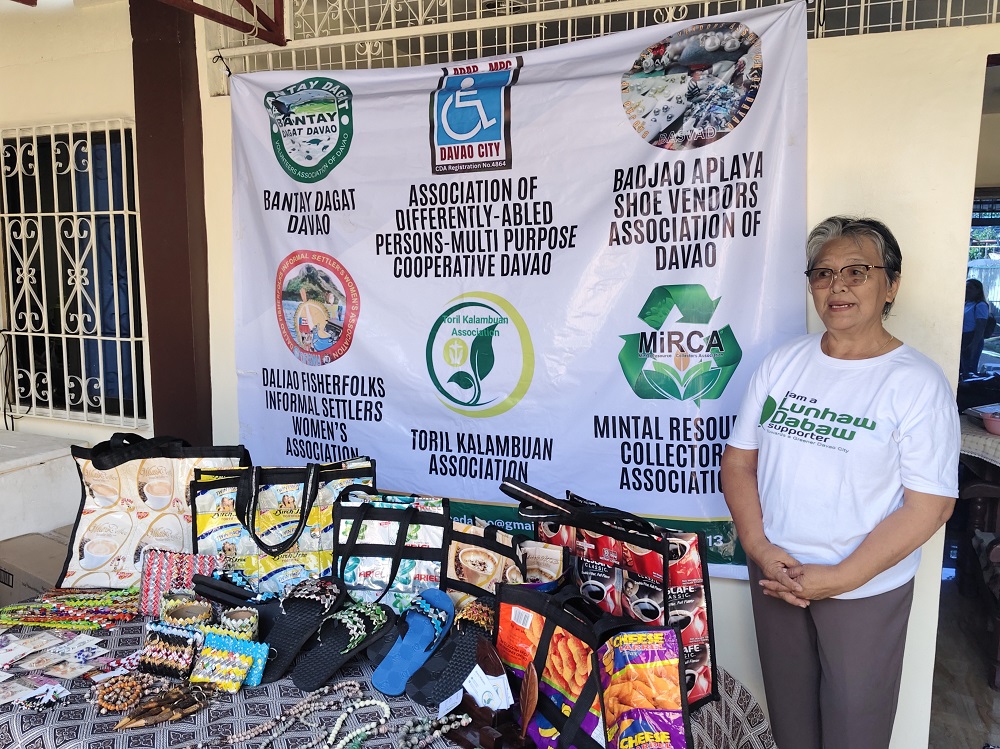
In 2014, the association partnered with the Department of Trade and Industry (DTI) Shared Service Facilities (SSF) program, where they were given sewing machines.
MiRCA, organized through the PHINLA Global program, collects recyclables in households in Barangay Mintal and has implemented an improved material collection and recovery system (MRS) along with an updated Barangay Ecological Solid Waste Management (BESWM) plan and programs.
The organization continued its information and education activities on proper waste segregation, leading to improved waste management awareness among communities.
Apo Natural Farms, situated in Barangay Tacunan, houses two black soldier fly (BSF) facilities where food wastes and dead animals are consumed by larvae instead of being dumped into the landfill in the city.

Davao City’s proposed waste-to-energy (WTE) project site (10-hectare property) is located in Barangay Biao Escuela and will still be pushed by the city government despite the delays and opposition. The project would provide a long-term solution to the city’s landfill crisis, according to the city councilors.
