

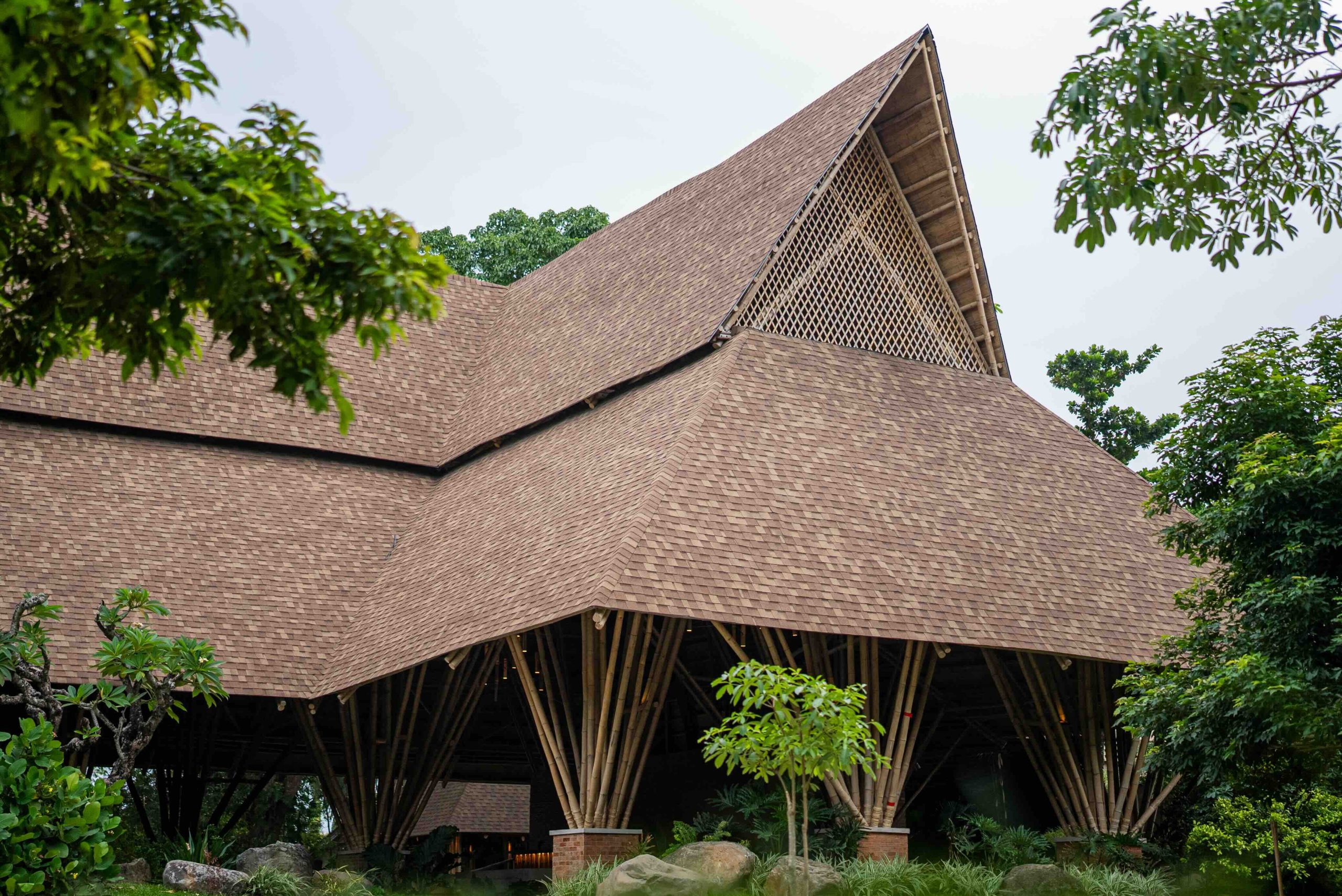
MANILA, Philippines — As the global construction industry seeks urgent solutions to the climate crisis, two of the Philippines’ leading visionary architects are calling on their peers to rethink the way they build.
Architects Rhalf Abne (Kawayan Design Studio) and Christian Salandanan (Sangay Architects) are set to headline the upcoming Mindanao Bamboost Forum: The South Cotabato Experience on Aug. 7, 2026, at the Farm in South Cotabato.
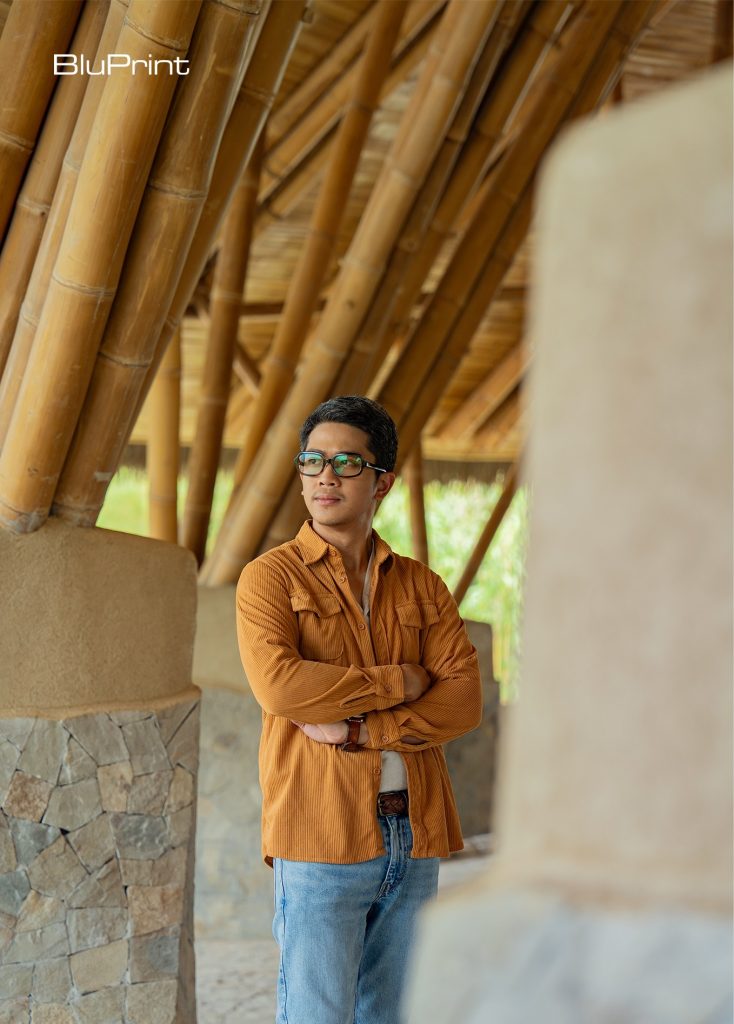
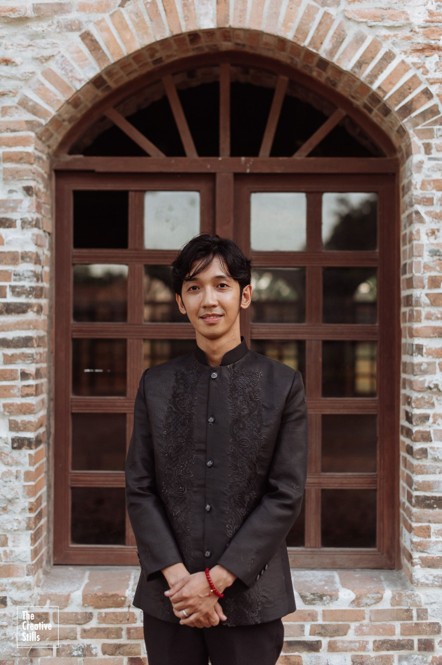
Organized by Base Bahay Foundation (BASE), in partnership with the South Cotabato Bamboo Industry Development Council, the forum will bring together architects, interior designers, engineers, developers, and policymakers to elevate bamboo from a traditional material to a high-performance, mainstream structural powerhouse.
New Views on Bamboo
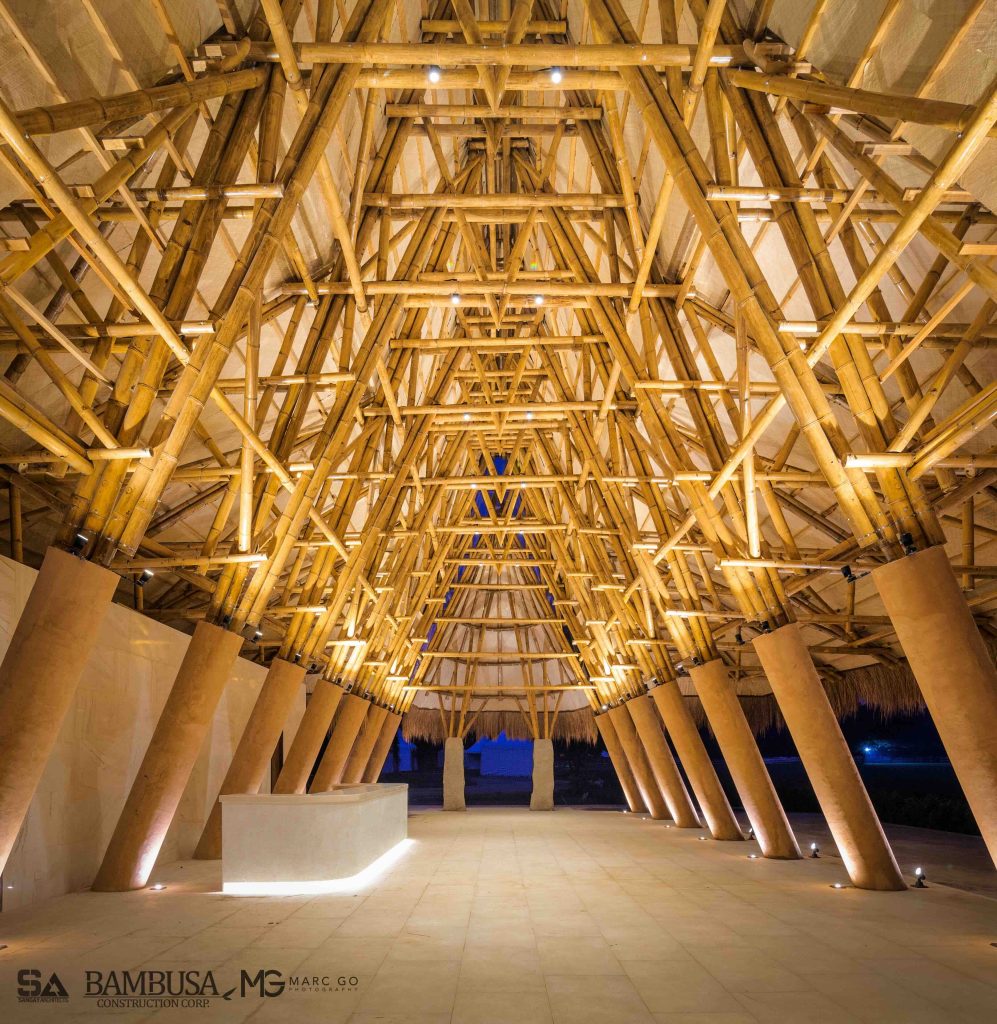
For decades, bamboo in the Philippines was relegated to the margins—often labeled as the “poor man’s timber” or viewed strictly as a material for temporary beachfront cottages. Both Abne and Salandanan have dedicated their practices to shattering these misconceptions through groundbreaking, massive structural feats.
“In the Philippines, bamboo still has the image of a temporary material. But once the Pavilion was built, it became easier to show what bamboo can do,” explains Architect Abne, the visionary behind the Dumaguete Pavilion, the largest bamboo pavilion in the Philippines to date. “The Pavilion serves as proof of work. It is a testament that something as large as that structure can be done in bamboo.”
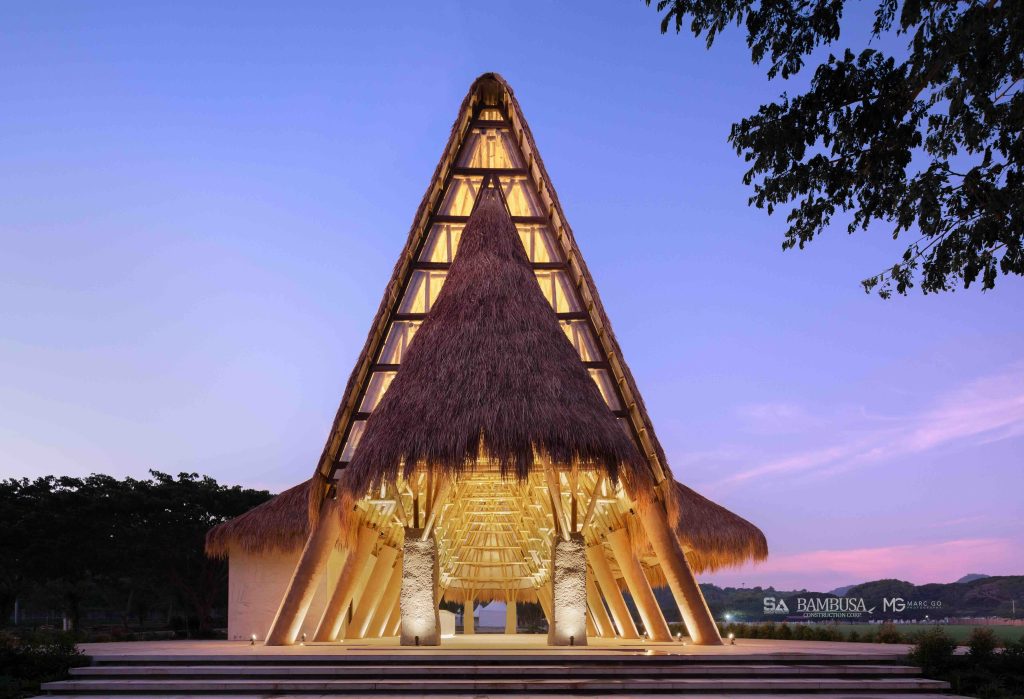
Architect Christian Salandanan, whose firm designed the iconic MLR Polo Pavilion in Luzon for the 2019 Southeast Asian Games, believes that great design has the power to elevate local materials to the highest tiers of luxury and prestige.
“Many people still see bamboo as a ‘low man’s timber’ or a poor material, but through good design, we believe its value can be elevated,” Salandanan explains. “The problem is not the material itself. The real question is how you use it, how you design around it, and how you combine it with other materials to create a strong composition and design character.”
Different Styles, Same Goal
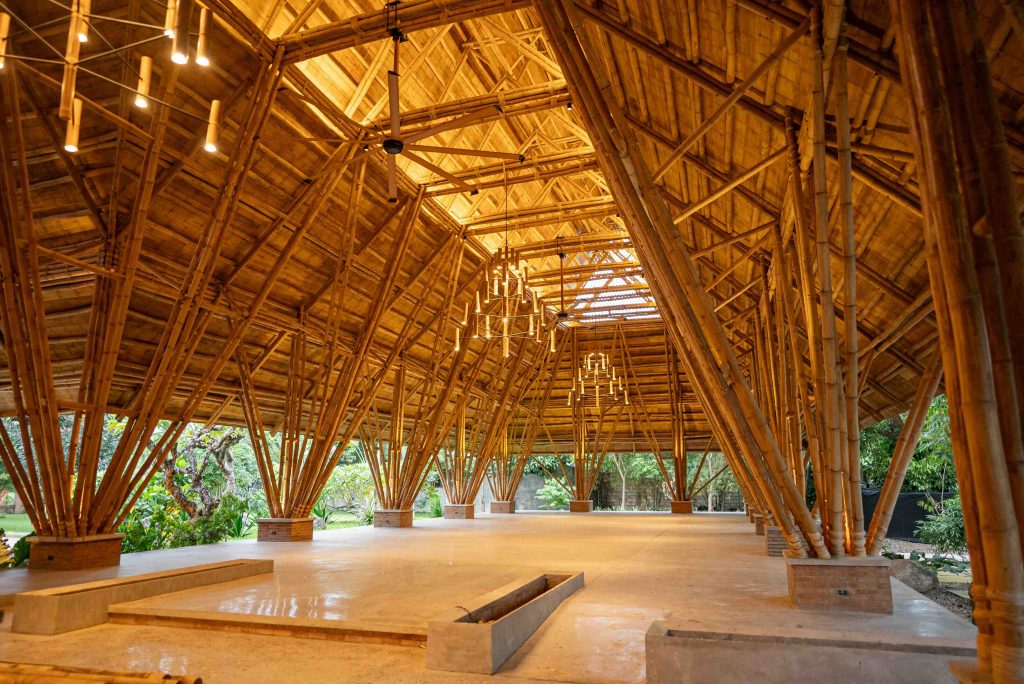
While both architects advocate for bamboo, they bring unique and complementary perspectives to the forum.
Abne’s approach is deeply grounded in localized community-building, working directly with rural farmers and fisherfolk to establish sustainable supply chains and build grassroots capacity. For Abne, using bamboo is an exercise in national responsibility and ecological preservation.
“The industry is still in its early stage, and we want to take care of bamboo and change people’s perspective of it. Having that sense of responsibility in using bamboo would be a great reminder for everyone,” Abne asserts.
Inspired by the legacy of National Artist Bobby Mañosa, Architect Salandanan focuses on the sensory experience and tactile warmth of bamboo, pushing for engineered innovations that allow bamboo to stand alongside concrete and steel in modern urban developments.
“It is the experience of staying inside a bamboo structure. That is something you cannot get from concrete or steel. Bamboo gives a certain warmth,” says Salandanan. “There are no boundaries and limits for bamboo architecture. There is so much potential in it.”
Setting Building Standards
To transition these architectural visions into widespread reality, the industry requires scalable technology, standardized guidelines, and a robust supply chain. This is where the work of BASE becomes critical.
BASE General Manager Engr. Luis Felipe Lopez points out that regional forums like the Regional Bamboost are vital for bridging the gap between cutting-edge laboratory research and actual on-site implementation by local practitioners. This is also what drives BASE to bring its annual Bamboost Forum to various regions, enabling more people to see the potential of bamboo in the built environment.
“Unlocking the mainstream potential of bamboo requires a systematic approach—from standardizing design codes to training local builders on the ground,” says Lopez. “Our goal with the regional Bamboost forum is to equip Mindanao and local architects, engineers, and developers with proven, scalable bamboo technologies. By establishing clear standards and strengthening local value chains, we can confidently build structures that are not only highly sustainable but also remarkably disaster-resilient.”
Why Professionals Must Attend
With the recent earthquake and the result of climate change increasingly felt in the region, the forum will highlight how bamboo, backed by rigorous scientific testing and building standards, can create highly resilient, typhoon-adaptive structures.
Both architects point to the work of organizations like BASE as critical in giving the design community the scientific confidence to build with bamboo.
“Architecture and engineering are science-based. When something is proven by data, facts, and science, it gives confidence not only to architects and engineers, but also to end users and clients,” says Architect Abne.
Architect Salandanan agrees, noting that modern testing and guidelines are vital to making the material mainstream: “Without standards, testing, and publicly shared information, it would be difficult for bamboo to become mainstream… These efforts are important in streamlining bamboo as a building material.”
How to Join the Mindanao Bamboost Forum
The Mindanao Bamboost Forum is a must-attend event for the next generation of Filipino builders who want to remain at the forefront of the green building revolution.
On August 7, from 8:30 am to 3:30 pm at The Farm in South Cotabato, attendees will have the opportunity to hear Architect Rhalf Abne discuss “Designing with Bamboo” (Topic 7) and Architect Christian Salandanan present on “Bamboo Architecture” (Topic 8).
The program also features technical presentations on bamboo innovations from the Department of Science and Technology (DOST) South Cotabato, engineered bamboo panels from Rizome, and sustainable value chains from the Mahintana Foundation.
Secure your seat today and be part of shaping the future of Philippine architecture.
For registration inquiries and more details, please contact BASE at www.base-builds.com.