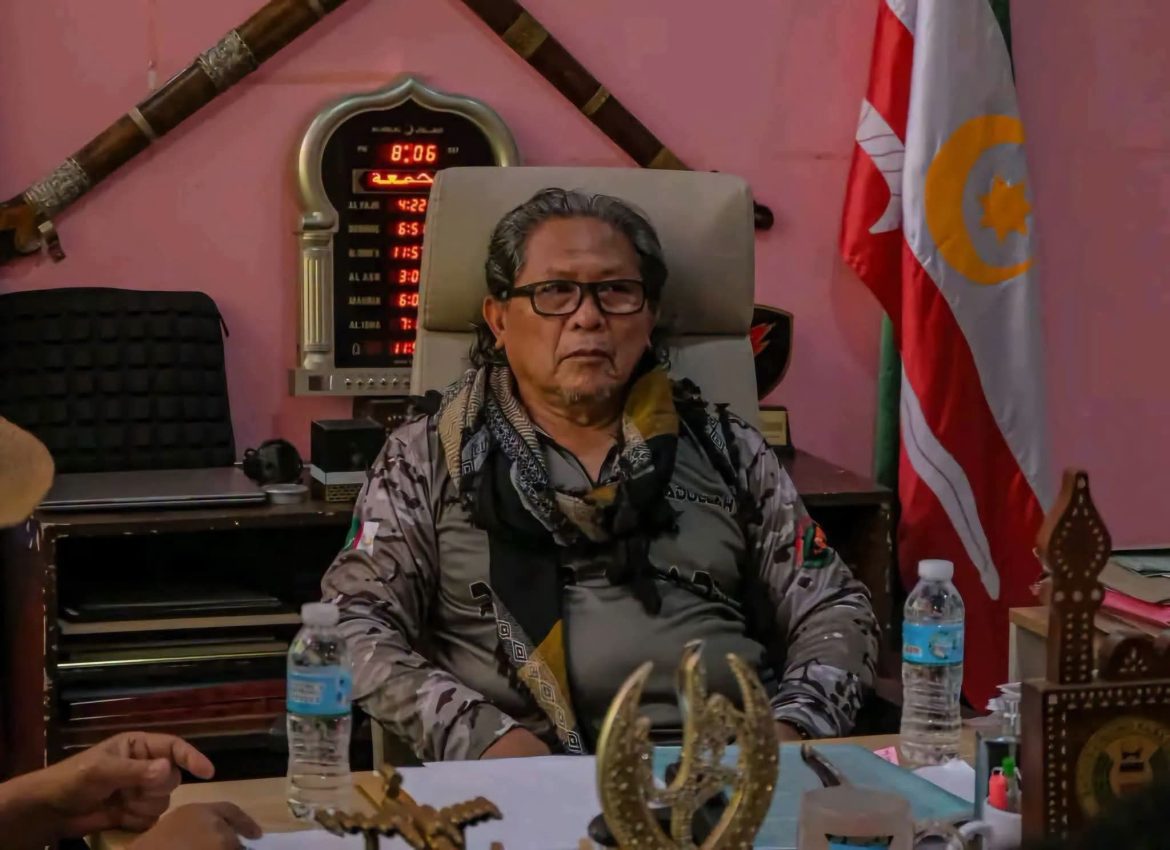
MORO ISLAMIC Liberation Front (MILF) senior commander Abdullah Macapaar, widely known as “Commander Bravo,” described participating in the first-ever Bangsamoro Parliamentary Election (BPE) as a major milestone for peace, revealing that he voted for the very first time in his life.
In an official statement issued from the North Western Mindanao Front General Headquarters on Thursday, Sept. 17, the MILF chief front commander extended his gratitude to the Coordinating Committee on the Cessation of Hostilities (CCCH), the Armed Forces of the Philippines (AFP), the 2nd Mechanized Infantry Brigade under BGen. Bernardo A. Taqueban, and the 103rd Infantry Brigade under BGen. Jessie R. Montoya, for securing his transit and facilitating his right to vote.
“Sa buong buhay ko, ngayon lang ako nakaboto, at napakalaking bagay nito para sa akin at sa peace process (In my whole life, this is the first time I have voted, and this is a huge deal for me and the peace process),” Macapaar said.
While acknowledging that casualties occurred during the Sept. 14 exercise due to intense party loyalties, Macapaar described the overall regional polls as “peaceful, honest, and orderly.”
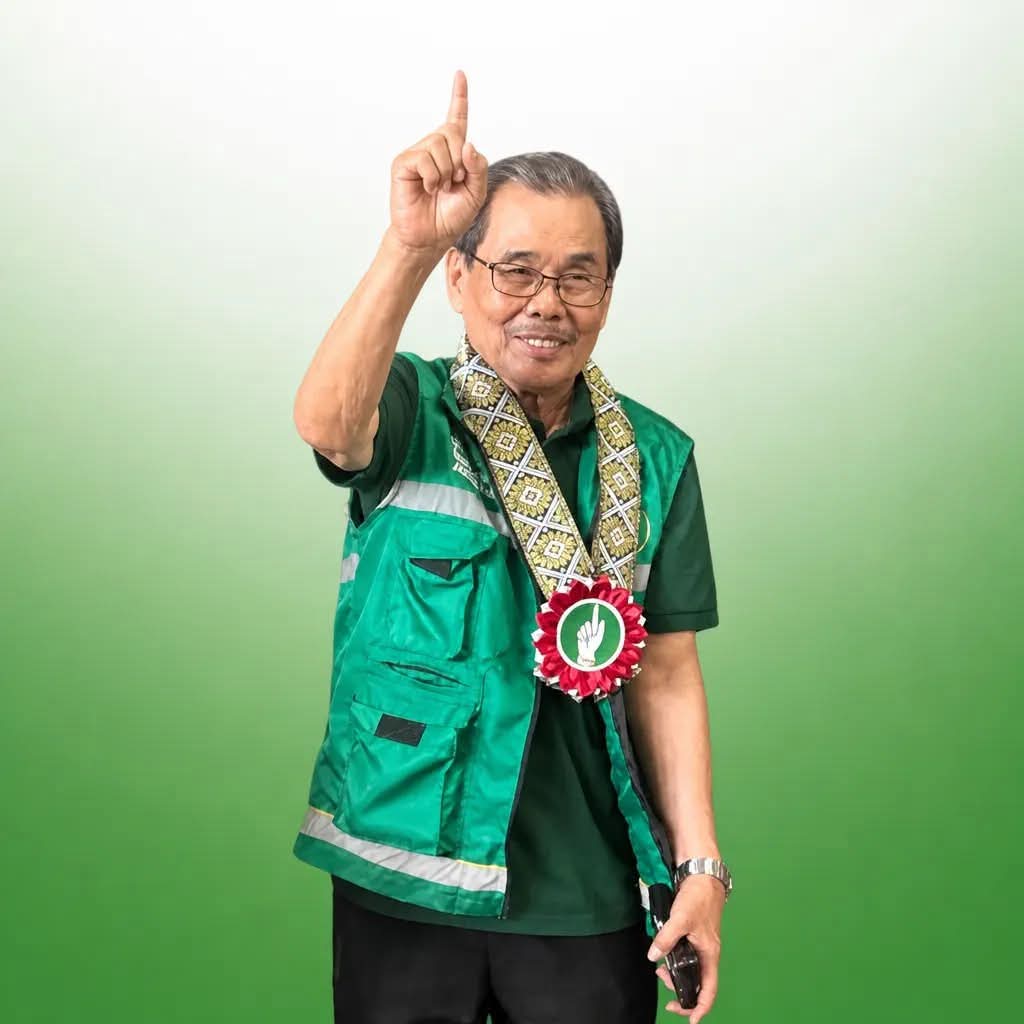
Addressing supporters following initial tallies indicating he may not secure one of the 80 parliamentary seats, the veteran commander urged calm and unity behind MILF chairman and United Bangsamoro Justice Party (UBJP) leader Al Haj Murad Ebrahim.
“Huwag kayong mawalan ng pag-asa. Ang pinakamahalaga sa lahat ay nanalo at pasok ang ating iginagalang na Chairman Murad Ebrahim. Ang panalo nila ay panalo nating lahat,” he declared, assuring supporters that he remains dedicated to serving the Bangsamoro people.