

BY ALEX ALAGON
BY ALEX ALAGON

VY ALEX ALAGON
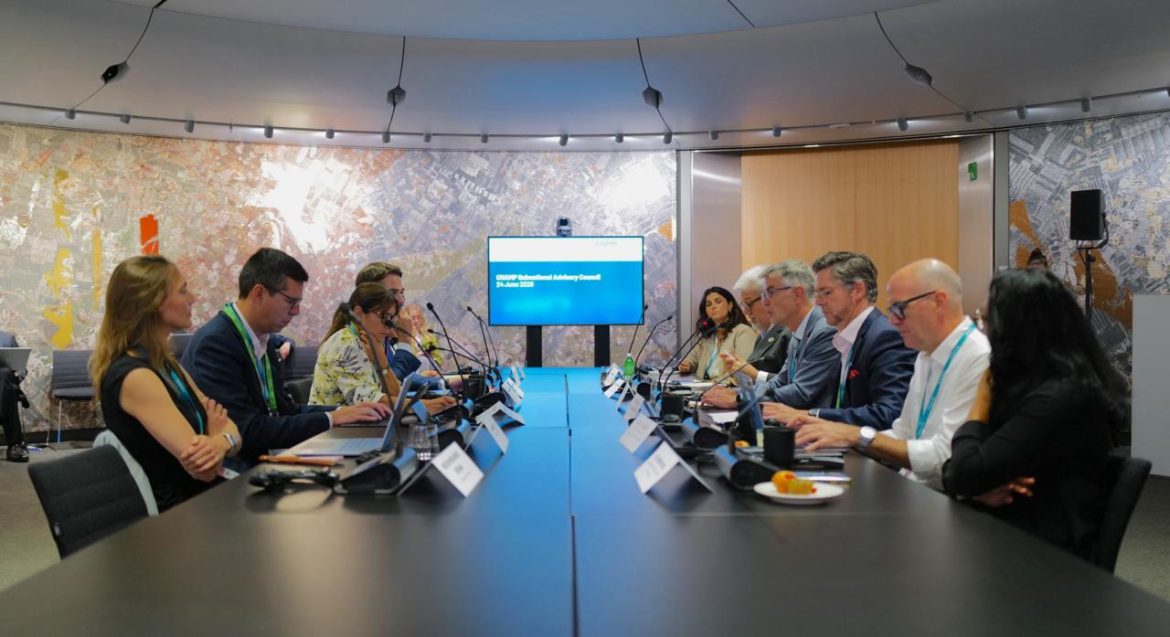
LONDON — Mayor Alfredo Coro of Del Carmen, Philippines, has been appointed as a member of the newly established CHAMP Subnational Advisory Council, joining a select group of 12 mayors, governors, and regional leaders from around the world. His inclusion reflects the Philippines’ growing role in advancing local climate action and resilience-building in frontline communities, particularly in coastal and island regions highly exposed to climate impacts.
The Council, launched during London Climate Action Week, formally integrates subnational leadership into the governance structure of the CHAMP Coalition for the first time, creating a direct channel for cities and regions to help shape global climate decision-making and implementation.
The establishment of the CHAMP Subnational Advisory Council marks a major milestone in advancing the goals of the Paris Agreement through stronger multilevel governance and coordinated climate action across all levels of government. For the first time since the coalition’s creation, CHAMP – a coalition led by countries – is formally integrating cities, states, and regions into its official governance structure, creating a direct channel to elevate the voice and leadership of subnational governments to the coalition’s 78 endorsers (national governments and the European Union). The Subnational Advisory Council will help ensure that local and regional realities, expertise, and climate solutions directly inform CHAMP’s strategic direction, advocacy priorities, and implementation efforts.
It brings together city and regional leaders from across the globe – both large and small in size, population – but all with unique contributions to make on climate action. This representational structure ensures that the voices and experience of subnational governments directly help shape the coalition’s strategic direction, advocacy, and implementation efforts. Representing communities on the frontlines of the climate crisis, the Subnational Advisory Council members reflect the diversity, ambition, and leadership of cities and regions driving climate action worldwide.

The members of the CHAMP Subnational Advisory Council, invited to serve on the Council for 2 years, are:
Through periodic meetings and diplomatic engagements throughout the year, the Subnational Advisory Council will strengthen collaboration between national and subnational governments in advancing climate action. The Council is co-facilitated by the Global Covenant of Mayors for Climate & Energy (GCoM) and the Under2 Coalition, in close collaboration with C40 Cities and the World Resources Institute (WRI), which serves as the Secretariat of the CHAMP Coalition.
The inaugural meeting was hosted during London Climate Action Week by GCoM Global Ambassador and former Mayor of Paris Anne Hidalgo, in her new capacity as chair of the Subnational Advisory Council.
Anne Hidalgo, chair of the CHAMP Subnational Advisory Council, said:
“Cities and regions have long stood on the frontlines of the climate crisis, not only experiencing its impacts first, but leading some of the world’s most ambitious and transformative climate solutions. Every day, local and regional governments are protecting communities, strengthening resilience, and proving that bold climate action can improve people’s quality of life. The creation of the CHAMP Subnational Advisory Council sends a powerful signal: national governments are formally recognizing that climate ambition cannot succeed without strong partnerships with local and regional governments. In Paris, we demonstrated that climate action and quality of life go hand in hand. The new Subnational Advisory Council will help ensure that the experience and leadership of cities and regions help shape global climate decisions at the highest level.”

The inaugural meeting also brought together representatives from the national governments of Brazil and Germany, Co-chairs of the CHAMP Coalition. Ambassador Antonio Da Costa, representing the Government of Brazil, and Dr. Ulf Jaeckel, representing the Government of Germany, joined Subnational Advisory Council members during the London Climate Action Week gathering and underscored the importance of multilevel governance in accelerating climate implementation and delivering meaningful outcomes for people and communities.
Governor Eduardo Leite, Rio Grande do Sul, Brazil, said:
“It is an honour for Rio Grande do Sul to join, alongside 11 other leaders from around the world, the CHAMP Subnational Advisory Council. Our participation brings to this forum the experience of a state that faced the largest climate disaster in Brazil’s history and turned that challenge into an even stronger commitment to climate action. Through Plano Rio Grande, we are not only rebuilding communities, but building back better, strengthening resilience and preparing our territory for the impacts of a changing climate. At the same time, we are advancing structured mitigation and decarbonisation policies aligned with the goals of the Paris Agreement. We believe that subnational governments have a decisive role to play in turning global targets into tangible results for people. Serving on the Subnational Advisory Council is an opportunity to share experiences, learn from partners around the world, and strengthen the multilevel cooperation needed to address climate challenges.”
Ambassador Antonio Da Costa, Government of Brazil, said:
“This new Subnational Advisory Council marks an important step toward closer collaboration between national governments and subnational leaders. Cities, states and regions are essential to delivering climate action, where policy becomes concrete measures that protect people, strengthen resilience, and improve lives. As host of COP30, Brazil has placed multilevel governance at the center of its climate vision and is already advancing this agenda through initiatives such as the Green and Resilient Cities and Brazil Mutirão programs. The Subnational Advisory Council will help connect global ambition with local implementation.”
Ulf Jaeckel, Government of Germany, said:
“Germany strongly believes that effective climate action depends on cooperation across all levels of government. Our experience has shown that cities, states, and regions are indispensable partners in turning national climate targets into practical solutions that benefit people and communities. The establishment of the CHAMP Subnational Advisory Council reflects the growing recognition that multilevel governance is essential to delivering the Paris Agreement climate goals.”
CHAMP Coalition new steering group
During the Local Climate Action Summit at London Climate Action Week, the Coalition for High Ambition Multilevel Partnerships for Climate Action launched the next phase of its work to accelerate and strengthen multilevel climate action.
As part of this effort, CHAMP inaugurated its new Steering Group during the UNFCCC June Climate Meetings and introduced an Implementation Roadmap designed to translate political ambition into faster, more effective delivery of climate commitments on the ground. Building on the coalition’s commitment to strengthen national-local collaboration, the roadmap aims to support countries and subnational governments in advancing climate action through stronger coordination, shared accountability, and implementation at scale.
The newly established Steering Group will provide strategic guidance to help drive CHAMP’s next phase of work and reinforce collaboration across levels of government to accelerate climate ambition and delivery. The CHAMP Steering Group is composed of nine members representing coalition Co-chairs and endorsers: Brazil, Germany, Colombia, Dominican Republic, Ethiopia, European Union, Kenya, Philippines and Sweden.
CHAMP Steering Group members include:
The launch of the Steering Group reinforces CHAMP’s ambition to move beyond commitments and strengthen the mechanisms needed to accelerate implementation, ensuring climate action is coordinated across all levels of government and delivers tangible benefits for communities.
ILIGAN CITY, Lanao Del Norte—In the wake of Tropical Storm Basyang (international name: Penha), Iligan City continues to grapple with its impact, which affected more than 24,500 individuals across 21 barangays. As families started rebuilding their lives, Aboitiz Foods mobilized its relief operations to bring aid to the hardest hit communities.
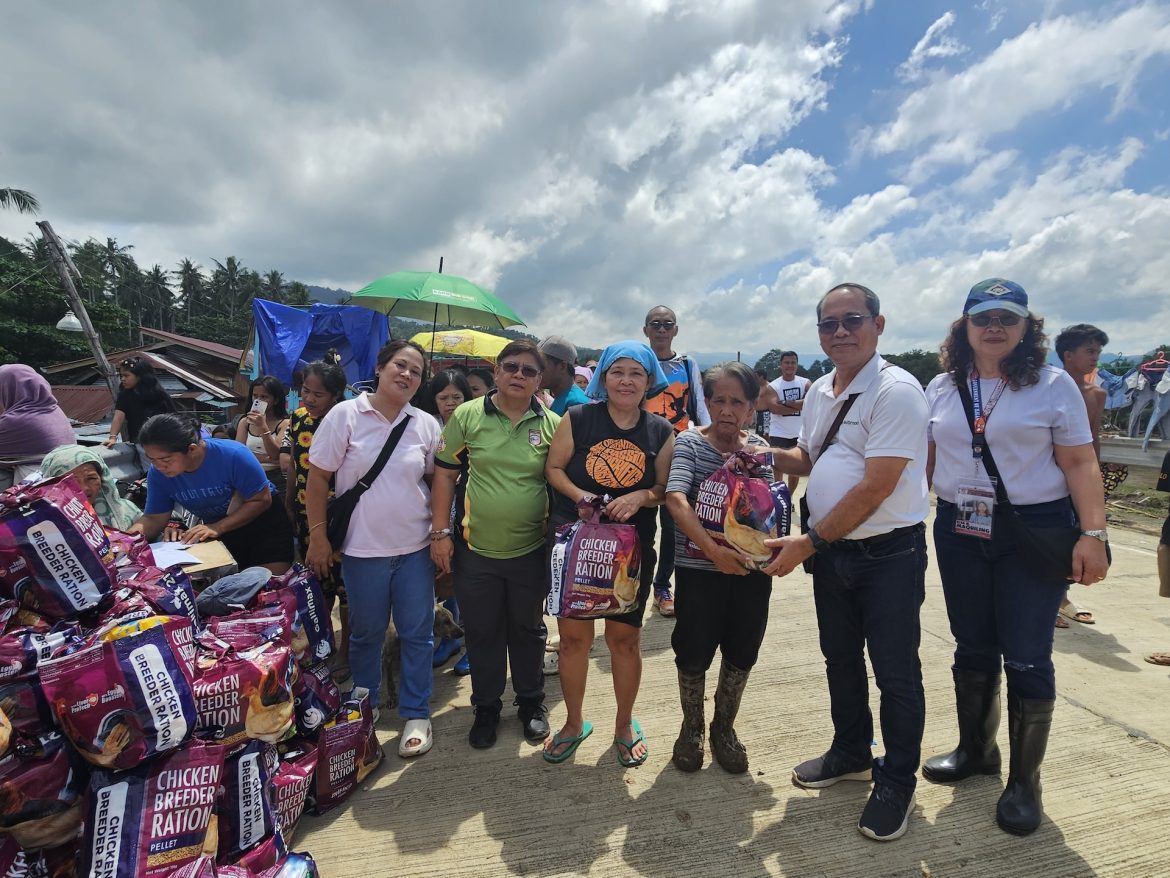
On February 12, Aboitiz Foods, through its subsidiary Pilmico Foods Corporation (Pilmico), teamed up with the Aboitiz Foundation, Inc. and the Iligan City Disaster Risk Reduction and Management Office (ICDRRMO) to distribute essential support to more than 1,000 disaster-affected families in Barangays Ubaldo Laya and Tubod—many of whom received aid for the first time since the storm struck.
Aboitiz Foods provided food packs with rice and groceries for sustenance, hygiene kits to prevent illness, and sleeping kits for displaced families in evacuation centers.
“Iligan City has been Pilmico’s home for over 60 years. This community has grown with us, supported us, and shaped who we are today,” said Engr. Alexis Revantad, Pilmico’s Vice President for Iligan Site Management and Flour Operations, adding, “In moments like this, we stand by you, our fellow Iliganons, in your darkest hour. We are part of this community, and we are here as your partner to help rebuild our city.”
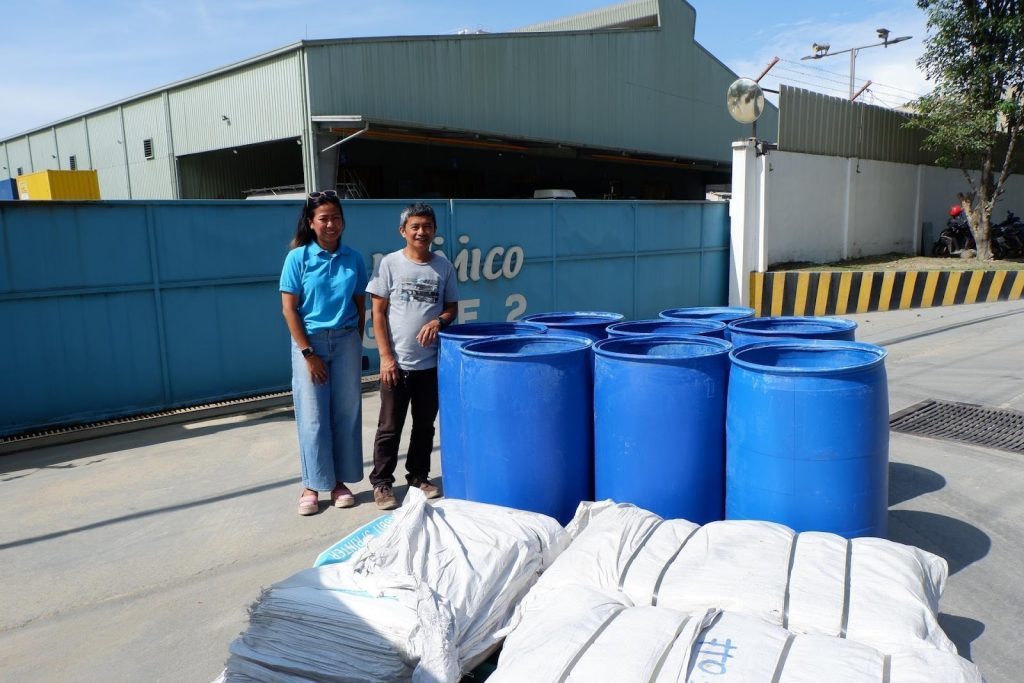
Clearing the way to recovery. Alongside essential recovery kits, Aboitiz Foods donated 1,500 sacks and water storage drums to ICDRRMO to support clearing operations–helping improve accessibility to impassable areas and ensuring that immediate assistance reaches the hardest-hit communities in Iligan.
Aside from the essential kits, Aboitiz Foods also donated water storage drums and 1,500 sacks to ICDRRMO to support the city’s clearing operations, improving accessibility to impassable areas, and delivery of immediate assistance.
Beyond logistics, Aboitiz Foods’ relief effort was powered by the bayanihan spirit of volunteers, including Pilmico team members who stepped forward to pack and distribute aid—even as some were also affected by the storm. Their efforts embody the company’s commitment to shared value and putting responsibility into action where it matters most.
On February 6, Tropical Storm Basyang brought heavy rains, causing the Tubod River to overflow and triggering massive flooding across Iligan City. The storm left five casualties, displaced hundreds of families, and destroyed nearly Php200-million worth of public infrastructure and sources of livelihood, including crops, livestock, and micro, small, and medium-scale enterprises. The impact of the disaster prompted the local government unit to declare a state of calamity.
Iligan City Mayor Frederick Siao expressed his gratitude for Aboitiz Foods’ timely support, emphasizing the importance of partnerships in disaster response.
“On behalf of the Iligan City Disaster Risk Reduction and Management Office and the City of Iligan, we sincerely thank Aboitiz Foods, through Pilmico, for their timely relief assistance to families affected by Typhoon Basyang. Their support significantly strengthens our coordinated disaster response efforts and ensures that essential goods reach the most vulnerable communities. We value this partnership in promoting resilience and community recovery,” said Mayor Siao in a statement.
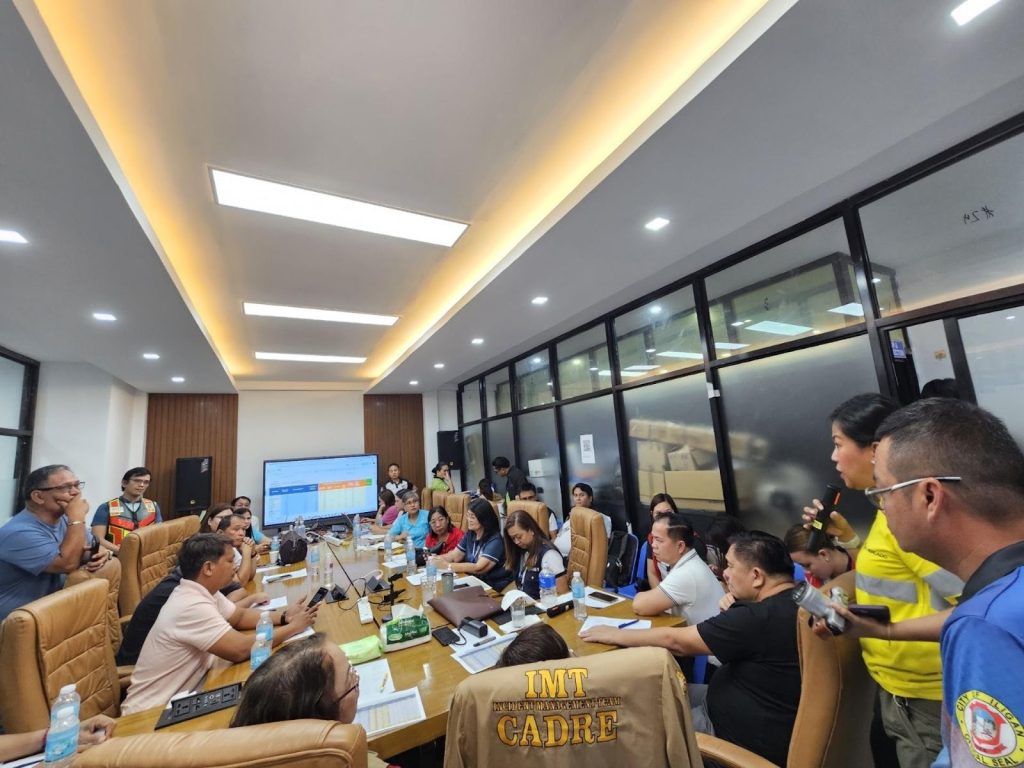
Building a more resilient future. As part of the broader Adopt-A-City program, Aboitiz Foods continues its long-standing partnership with the Iligan LGU to strengthen the city’s disaster preparedness, response, and adaptability, helping Iliganons recover and build back stronger.
Anchored on its brand promise “Together We Nourish the Future” and its core value of responsibility, Aboitiz Foods’ relief efforts are part of the broader Adopt-A-City program—a long-standing multi-stakeholder partnership with the Iligan LGU that aims to strengthen disaster preparedness, response, and long-term resilience. Through this program, the company continues to work alongside local stakeholders to build safer, more adaptive communities.
As Iligan begins its journey toward recovery, Aboitiz Foods remains committed to supporting the city’s long-term resilience through the Adopt-A-City program. In times of crisis, the company’s purpose of nourishing the future extends beyond food to ensuring no community is left behind through collective action, shared responsibility, and enduring partnerships.
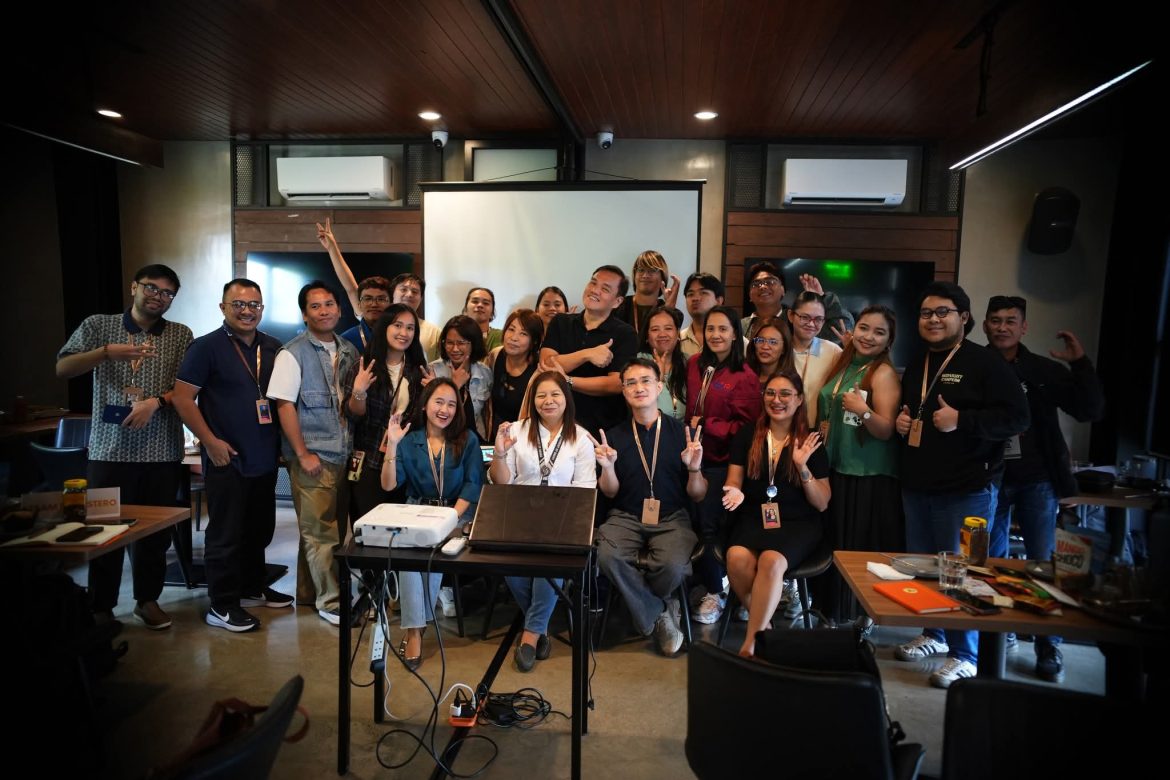
AS CLIMATE change poses an existential threat to the country’s “chocolate capital,” a new generation of leaders is stepping up to rewrite the narrative.
Officially launched in Davao City on Jan. 23 until Jan. 25, “Cacao Futures: A Youth Co-Creation Fellowship” gathered young artists, journalists, and advocates to explore the future of the local cacao industry.
Davao City stands as a vital intersection of culture and agriculture, but increasingly erratic weather patterns now threaten the livelihoods of over 80,000 Filipino cacao farmers.
A global dialogue
The fellowship is an extension of the international discussions sparked by “Chocolates Melting Away,” a documentary by award-winning filmmaker Breech Asher Harani.
Produced in collaboration with One World Media, the Pulitzer Center, and the Financial Times , the film has been screened before world leaders at the UN Food and Agriculture Organization in Rome and during Bangkok Climate Action Week.
“Cacao Futures is about bringing that global dialogue back home,” said Harani, a Forbes “30 Under 30” honoree. “It’s about trusting young people to shape stories and ideas that honor farmers, protect the environment, and imagine a future where cacao can truly thrive.”
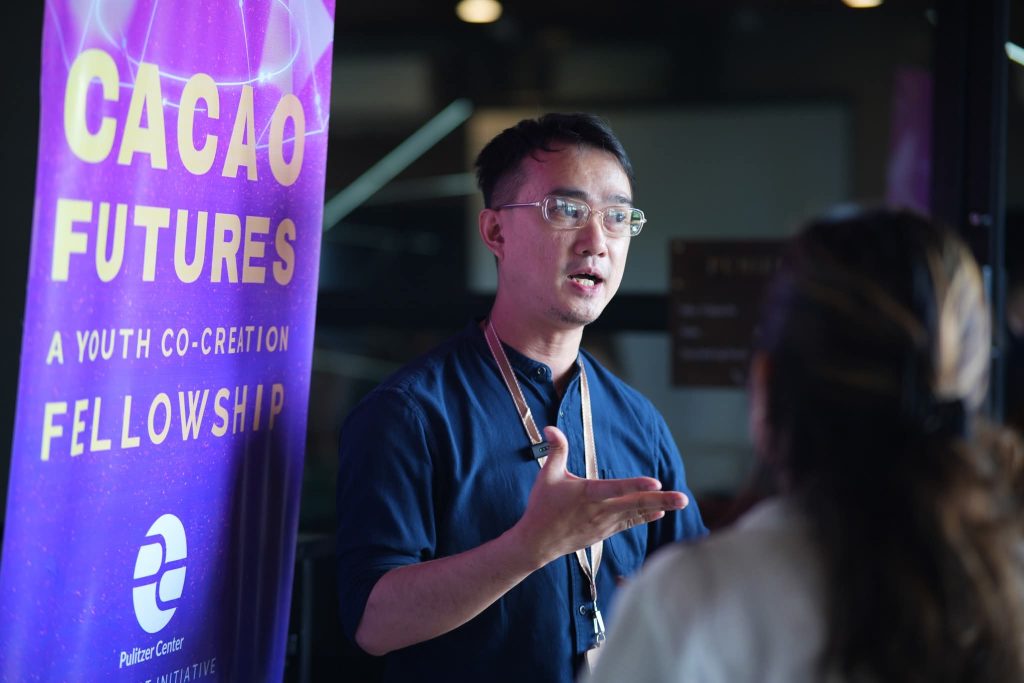
Collaborative Action Supported by the Pulitzer Center’s Impact Initiative, the program engaged participants from across media, agriculture, and the arts.
The fellowship featured expert speakers, including Cacao City president Wit Holganza and representatives from the Davao City Agriculturist Office, who shared nature-based solutions and climate-resilient farm “hacks”.
Over the course of the fellowship, participants focused on analyzing the vulnerabilities of the chocolate value chain, developing creative advocacy tools to elevate farmer narratives, and bridging the gap between art, media, and science.
The program culminated in the presentation of original youth-led projects, ranging from media campaigns to sustainable business concepts, all aimed at ensuring that Davao’s world-renowned chocolate industry remains resilient in a warming world.
BY JHUN CARLO LUCERO, JEOREYLENE ROJO & KRISTINA CRUJIDO/DNSC INTERNS
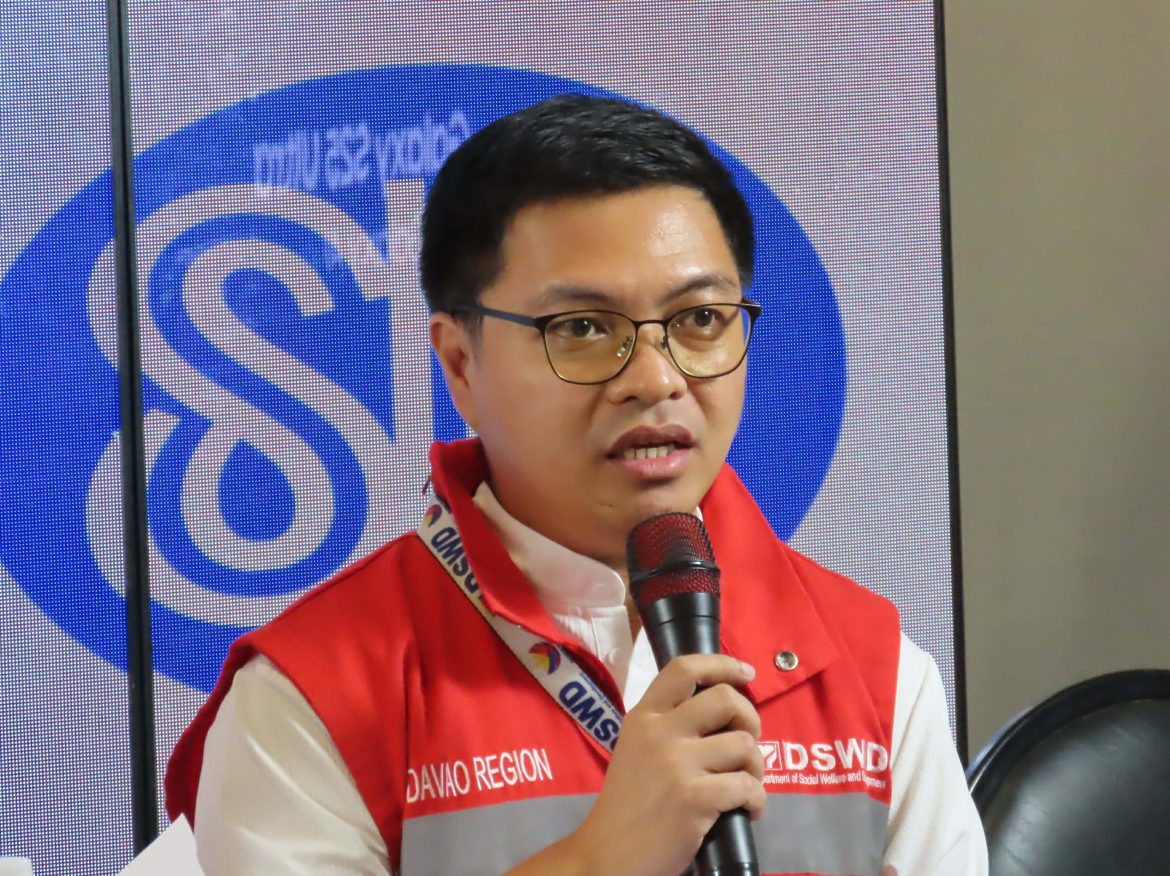
THE DEPARTMENT of Social Welfare and Development (DSWD) will pilot-test the Philippine Community Resilience Project (PCRP) in eight municipalities in Davao Region
PCRP is a program under DSWD that promotes resiliency among the poor and vulnerable communities in the face of calamities, climate change, and economic shocks, ensuring no one is left behind.
It builds on the foundation of the Kapit-Bisig Laban sa Kahirapan- Comprehensive and Integrated Delivery of Social Services (KALAHI-CIDSS), a 23-year poverty reduction program using a community participatory approach.
Harold Balandra, DSWD community development officer, said the first batch to benefit from the program includes the municipalities of Sarangani and Don Marcelino in Davao Occidental, Governor Generoso, Taragona, Baganga, Cateel, and Manay in Davao Oriental, and Caraga.
The PCRP is expected to benefit around 4.13 million households, including nearly 33% of the country’s Indigenous Peoples (IPs).
Meanwhile, Balandra said they will train community volunteers and local government officials on hands-on capacity-building training to support local implementation.
“We hope to give capability-building training to almost 116,000 community volunteers,” he said.
The selection process for municipalities is based on four key criteria: poverty incidence, Indigenous Peoples (IP) population, stunting rate, and vulnerability of the area, and also has 18.1% and above poverty reduction.
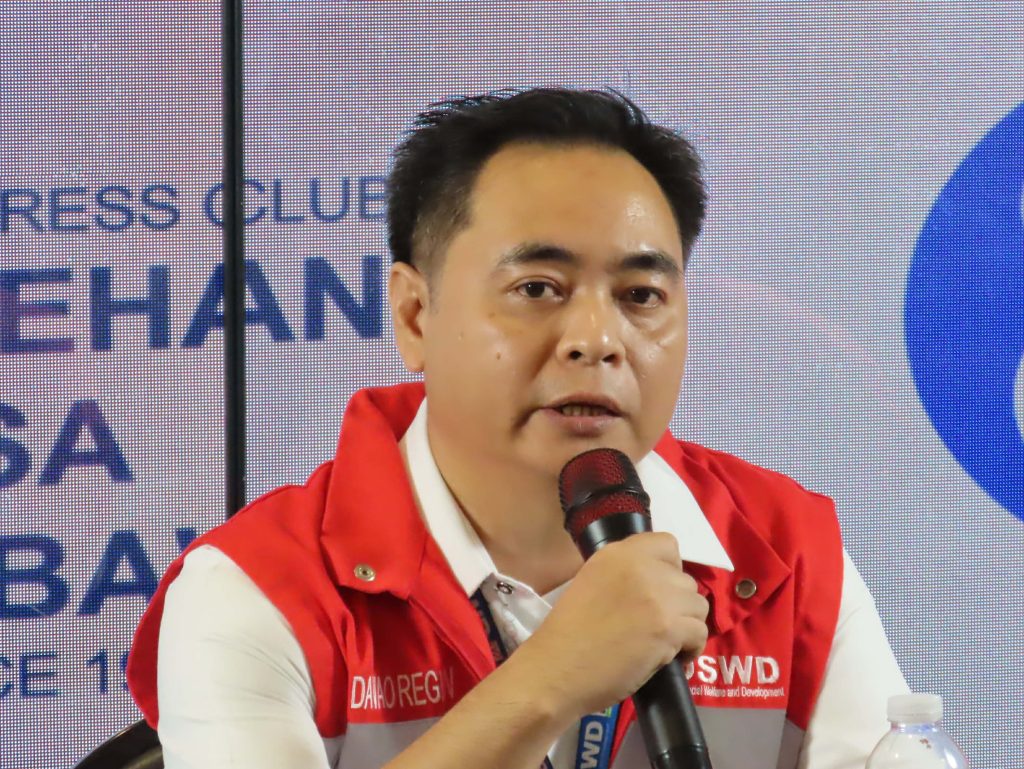
Meanwhile, Giovani Yogu, DSWD XI deputy regional program manager, said they are currently working on creating a safety net to ensure the budget allocation will not be used as political leverage during the election season.
“Implemented from the previous experience, they (politicians) adhered to the monitoring advocacy promoting participation, transparency, and accountability,” he said.
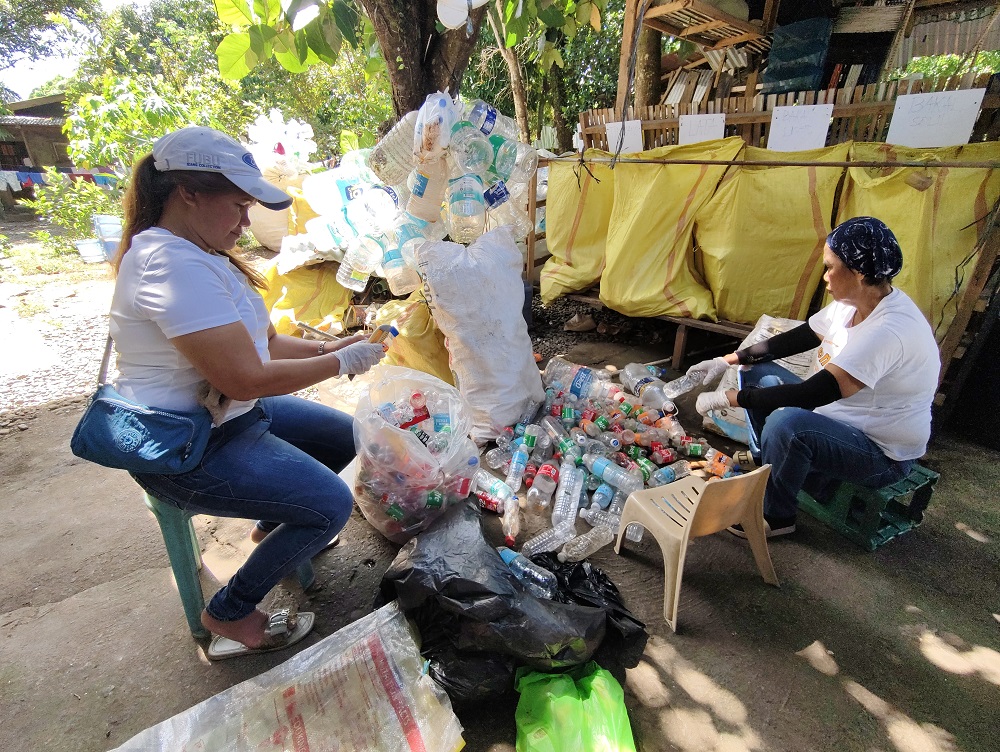
INTERFACING Development Interventions for Sustainability Inc. (IDIS) continues to promote waste reduction strategies through the Circular Economy 2025 to foster behavioral change in sustainable waste management and address climate change.
Circular Economy is an economic system that aims to keep resources for as long as possible throughout their lifecycle to sustain production and reduce waste and pollution. This circulation process involves the repair, reuse, refurbishing, and recycling of raw materials.
This initiative is implemented by the United Nations Development Programme (UNDP) and funded by the European Union (EU).

IDIS held a media tour on Dec 3 at key Lunhaw Awardee sites and drivers of the circular economy in Davao City that demonstrated sustainable waste management and resource recovery. The visited areas were the Toril Kalambuan Association (TKA), Mintal Resource Collectors’ Association (MiRCA), and Apo Natural Farms.
The activity was part of the Circular Economy project under the EU-Philippines Green Economy Partnership for Circular Economy Education and Behavioral Change.
TKA is a women-led community organization known for upcycling projects of transforming waste materials of plastic sachets and cartons into handicrafts (bags and accessories) that also provide income for the members, as well as promoting sustainable practices.
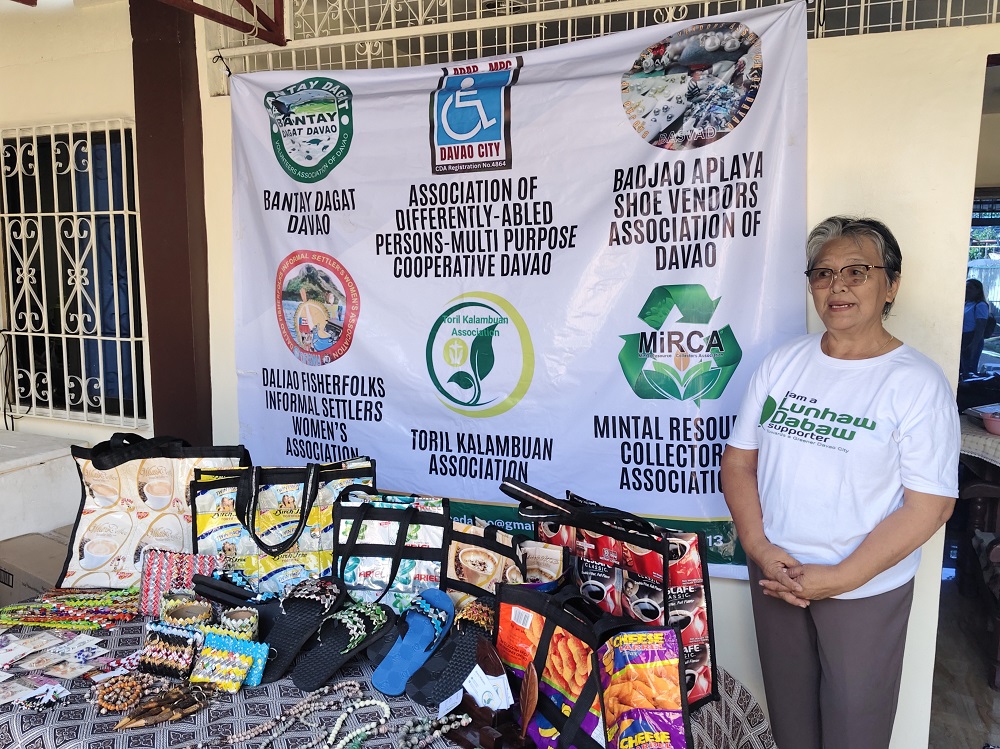
In 2014, the association partnered with the Department of Trade and Industry (DTI) Shared Service Facilities (SSF) program, where they were given sewing machines.
MiRCA, organized through the PHINLA Global program, collects recyclables in households in Barangay Mintal and has implemented an improved material collection and recovery system (MRS) along with an updated Barangay Ecological Solid Waste Management (BESWM) plan and programs.
The organization continued its information and education activities on proper waste segregation, leading to improved waste management awareness among communities.
Apo Natural Farms, situated in Barangay Tacunan, houses two black soldier fly (BSF) facilities where food wastes and dead animals are consumed by larvae instead of being dumped into the landfill in the city.

Davao City’s proposed waste-to-energy (WTE) project site (10-hectare property) is located in Barangay Biao Escuela and will still be pushed by the city government despite the delays and opposition. The project would provide a long-term solution to the city’s landfill crisis, according to the city councilors.