



Understanding When Digestive Symptoms May Point to Other Gut Conditions
ABDOMINAL discomfort, bloating, indigestion and nausea are often casually described as “gastric.” Many people associate these symptoms with stress, irregular meals, spicy food or excessive stomach acid.
However, not every digestive symptom originates from the stomach itself. Similar symptoms may arise from conditions affecting the intestines, gallbladder, bile ducts, or pancreas.
How Everyday Eating Habits May Affect Digestive Health

In the Philippines, changing dietary habits have brought greater attention to digestive health. Research by the Department of Science and Technology – Food and Nutrition Research Institute (DOST-FNRI) has highlighted insufficient fruit and vegetable consumption among Filipino adults, alongside growing preferences for convenience and processed foods.
While dietary habits can influence digestive well-being, recurring abdominal discomfort should not automatically be attributed to food choices alone.
When “Gastric” Symptoms May Point to Something Else
Occasional digestive discomfort may occur after heavy meals or changes in eating habits. However, persistent or recurring symptoms should not automatically be dismissed as simple indigestion.
Warning signs include:
- Persistent bloating or abdominal discomfort
- Frequent indigestion or acid reflux
- Changes in bowel habits
- Blood in the stool or black stools
- Unexplained weight loss
- Difficulty swallowing
- Yellowing of the eyes or skin
Conditions such as gallstones, gallbladder inflammation, bile duct obstruction and pancreatic disorders may sometimes produce symptoms that overlap with common gastric complaints.
For example, gallstones can obstruct the bile ducts, causing abdominal pain, jaundice, or infection. In certain cases, this may also trigger pancreatitis, an inflammation of the pancreas.
Why Gastroscopy and Colonoscopy Matter
Digestive symptoms can overlap across different conditions, making it difficult to identify the cause based on discomfort alone.
Gastroscopy allows doctors to examine the esophagus, stomach and first part of the small intestine. It may help identify inflammation, ulcers, and other abnormalities associated with persistent upper digestive symptoms.
Colonoscopy examines the colon and rectum. It may be recommended for persistent changes in bowel habits, rectal bleeding or unexplained anaemia.
Beyond investigating symptoms, colonoscopy plays an important role in colorectal cancer screening. Certain polyps can be detected and removed during the procedure, potentially reducing the risk of colorectal cancer developing.
Importantly, colorectal cancer may not cause noticeable symptoms in its early stages. This is why discussing age-appropriate screening with a doctor matters, even when an individual feels well.
When More Specialized Investigations Are Necessary
Some conditions involving the bile ducts or pancreas require investigations beyond routine gastroscopy and colonoscopy.
In selected cases, specialized endoscopic techniques, such as cholangioscopy, allow doctors to directly examine the bile ducts and assess stones, narrowing or other abnormalities.
The appropriate investigation depends on the patient’s symptoms, medical history and individual risk factors.
Paying Attention to Digestive Health
Digestive symptoms are common, but recurring discomfort should not become something individuals simply learn to tolerate.
Equally, the absence of symptoms does not necessarily mean preventive screening is unnecessary.
Recognizing persistent digestive changes and discussing appropriate investigations or screening with a medical practitioner can support earlier detection and informed decisions about care.
Medical Disclaimer
This article is intended for general education and awareness purposes only and does not constitute medical advice, diagnosis or treatment. Individual symptoms and medical conditions may vary. Please consult a licensed medical practitioner for appropriate assessment. Severe abdominal pain, vomiting blood or other acute concerning symptoms require urgent medical attention.
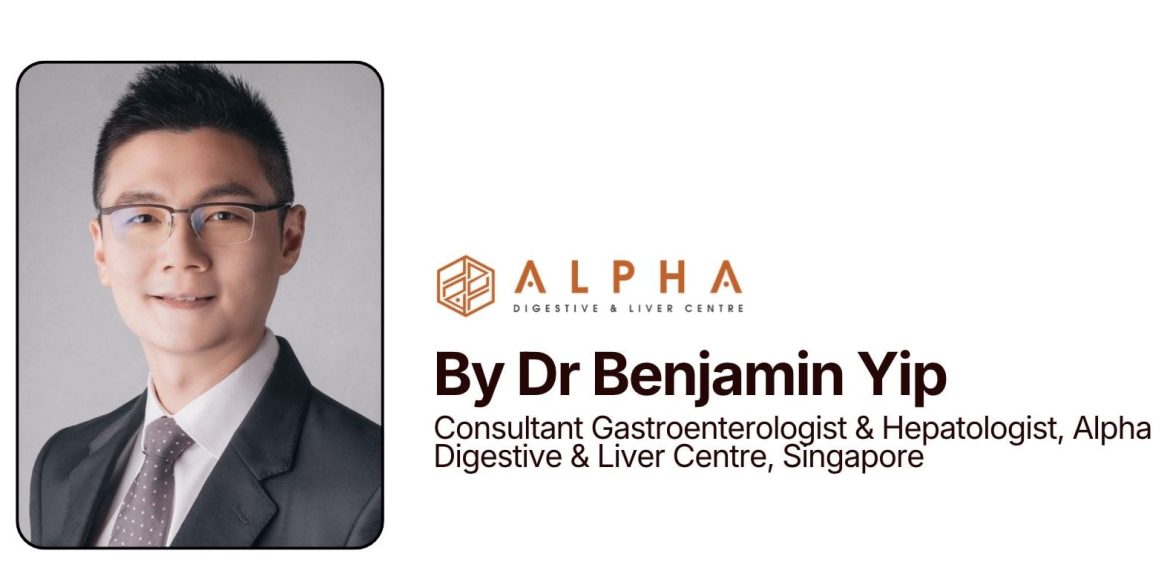
For more information about Dr Benjamin Yip and his medical practice, visit https://alphagastro.sg or contact Beyond Medical Assistance (Philippines) via WhatsApp at +63 956 0655 717.
