



How do our everyday food choices affect stroke risk? This article explores the relationship between dietary habits, cardiovascular health, and the importance of recognizing early warning signs of stroke.
STROKE is a major health concern worldwide, and everyday dietary habits may play a role in influencing long-term cardiovascular and cerebrovascular health.
While factors such as high blood pressure, diabetes, smoking, and high cholesterol are well-established contributors to stroke risk, dietary choices can also influence several of these conditions.
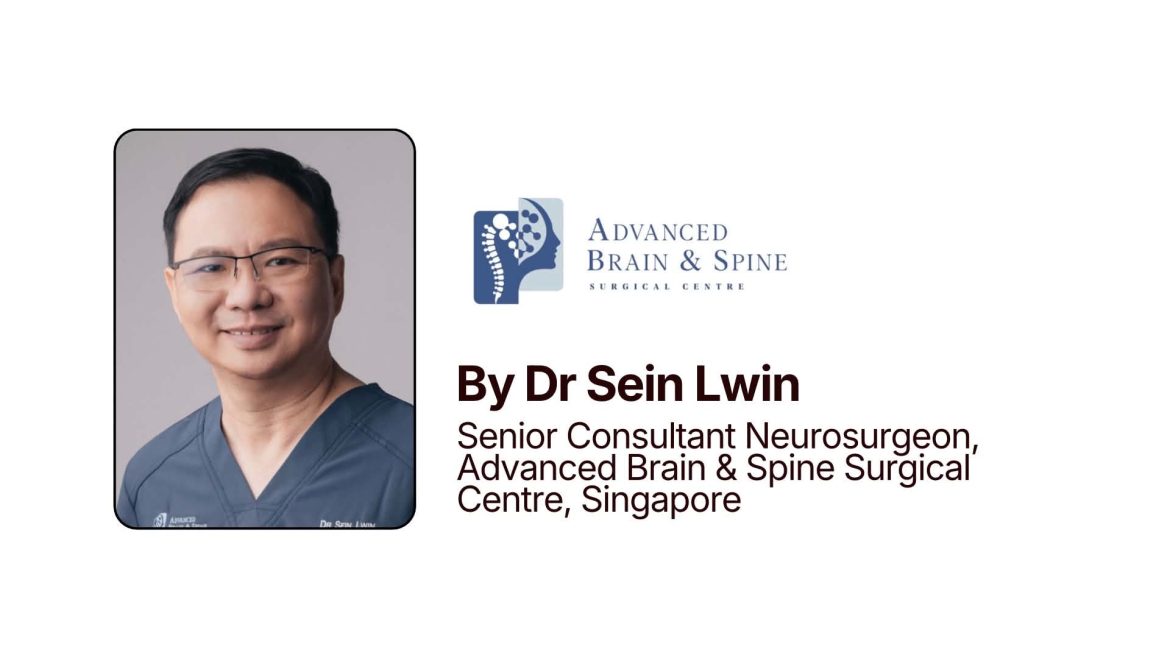
Dr Sein Lwin, Senior Consultant Neurosurgeon at Advanced Brain & Spine Surgical Centre in Singapore, explains the relationship between dietary habits, stroke risk, and the importance of recognizing symptoms that require urgent medical attention.
Does Eating Too Much Meat Increase Stroke Risk?

Regular consumption of excessive amounts of red and processed meat may contribute to cardiovascular risk, particularly when these foods are high in saturated fats and sodium.
Over time, elevated cholesterol levels and poorly controlled blood pressure can contribute to atherosclerosis, a condition in which fatty deposits accumulate within blood vessels. This can increase the risk of an ischaemic stroke, which occurs when blood flow to part of the brain becomes blocked.
However, not all animal proteins carry the same nutritional considerations. Fish, particularly varieties rich in omega-3 fatty acids, can form part of a balanced diet.
The overall dietary pattern, rather than any single food, is an important consideration in managing stroke risk.
Understanding the Difference Between Dizziness and Stroke
Stroke symptoms can sometimes be mistaken for fatigue, stress, or other common conditions.
While dizziness, nausea, and headaches may occur for many reasons, sudden neurological changes should never be overlooked.
Common warning signs include:
- Sudden facial drooping or weakness on one side of the body
- Difficulty speaking or understanding speech
- Sudden changes in vision
- Loss of balance, coordination, or difficulty walking
- Sudden, severe headache without an apparent cause
Not every headache or episode of dizziness indicates a stroke. However, sudden onset of these symptoms, particularly when accompanied by neurological changes, requires emergency assessment.
Why Timely Stroke Treatment Matters
A stroke occurs when blood supply to part of the brain is interrupted or when a blood vessel within the brain ruptures.
These are broadly classified as ischemic and hemorrhagic strokes, respectively.
Dr Sein highlights the importance of distinguishing between these conditions, as treatment approaches differ considerably.
For eligible patients with ischemic stroke, clot-dissolving medication or mechanical thrombectomy may be considered, depending on the clinical findings and time from symptom onset.
Hemorrhagic strokes require a different approach, which may include blood pressure management, close neurological monitoring, or surgical intervention in selected cases.
Timely assessment is essential because treatment options and potential outcomes depend on the type, location, and severity of the stroke.
Prevention Begins with Awareness
Maintaining a balanced diet, engaging in regular physical activity, and managing conditions such as hypertension, diabetes, and high cholesterol are important aspects of reducing stroke risk.
Equally important is recognizing that a stroke is a medical emergency. Anyone experiencing sudden stroke symptoms should seek emergency medical assistance immediately rather than waiting for symptoms to resolve.
Medical Disclaimer
This article is intended for general education and awareness purposes only and does not constitute medical advice, diagnosis or treatment. Individual symptoms and medical conditions may vary. Please consult a licensed medical practitioner for appropriate assessment. Sudden stroke symptoms require immediate emergency medical attention.
For more information about Dr Sein Lwin and his medical practice, visit https://brainandspine.sg/ or contact Beyond Medical Assistance (Philippines) via WhatsApp at (63) 956 0655 717
