



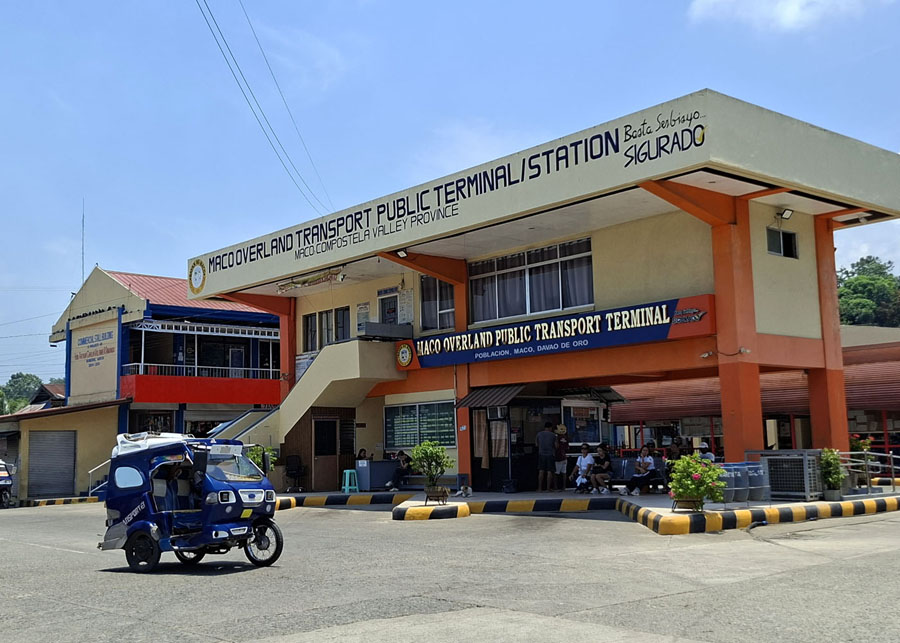
FOR THE longest time, power in Maco has always been expensive and susceptible to blackouts. Residents and business owners are no strangers to the challenges that have come with the franchise of the Northern Davao Electric Cooperative (Nordeco), but are helpless against it.
This will change, however, after the Supreme Court upheld R.A. 12144 and dismissed Nordeco’s motion for reconsideration regarding the expansion of Davao Light and Power Co’s franchise into areas served by the electric cooperative, which includes Davao De Oro.
The news has given the people of Maco hope that their electricity needs will be met with less expensive rates and a reliable power supply.
Waiting for Relief
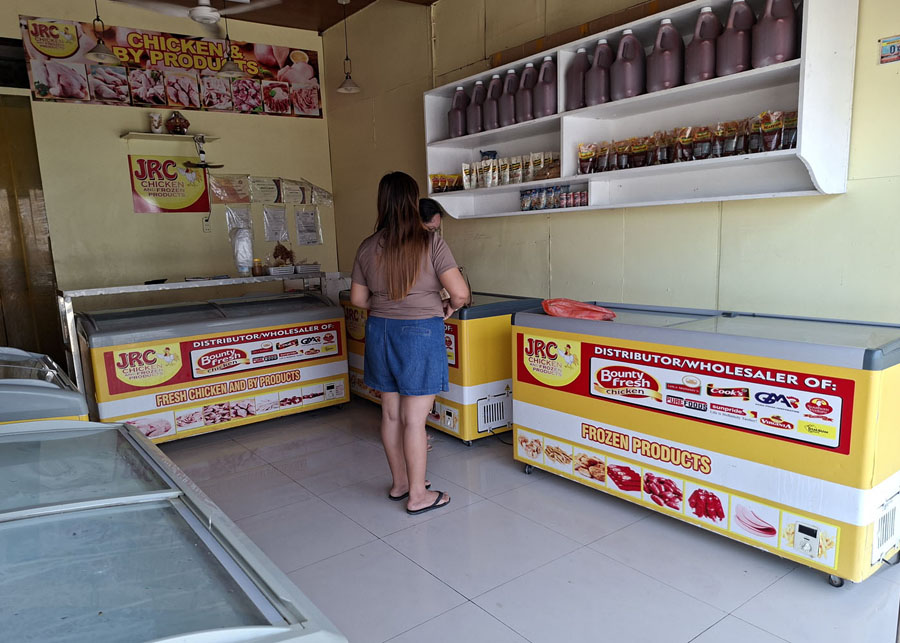
Michelle Rusta, a 33-year-old who works in a local meat shop, confessed that she knows nothing about Davao Light even as she heard the murmurs about a new player in town.
“I know nothing about Davao Light except what other people say,” said Michelle Rusta. “Just one or two of our customers have relatives in Tagum and Davao City. From what they say, Davao Light offers cheaper electric rates. If this can help our family, we welcome them.”
Michelle had never really thought about having a reliable electricity supply. She and town residents had gotten so used to the frequent brownouts in the area that they considered it normal.
“We are so used to having the power go out that we almost expected it,” she said. “We’re powerless to do anything about the rising cost of electricity. We have to pay the bill at the end of the month or they’ll cut us off.”
So, the idea of another electric company offering rates lower than their current bill is a welcome prospect.
Her main concern now is the transition cost. When her parents first connected to the local grid years ago, the initial setup fee forced her mother to take out a loan. Rusta worries a new provider might demand similar upfront expenses.
Still, her mind is set. “Even if we have to pay that amount, when Davao Light comes to Maco, we will be among the first in line.”
The Bottom Line
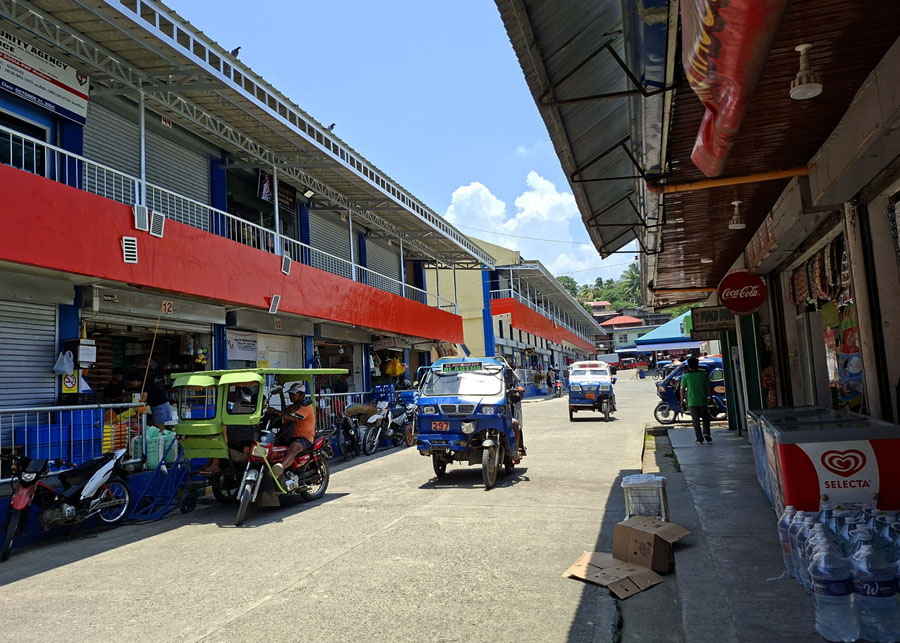
Just a little farther down from the meat shop is a mini-grocery store. At the entrance sat Belle Montaya at her usual spot. Her small stature was nearly swallowed by a wooden desk as she watched a YouTube video on her Android phone.
She owns a small grocery that has been in her family for seven decades. Since taking over, she had bought the two adjoining units to expand the space.
Over the years, experience taught her a valuable lesson: In her line of work, there’s no room for emotions.
”I run a business,” she said. “Of course, I will go with whoever gives better rates and services.”
Electricity remains one of her heaviest operational costs. For instance, her shop’s monthly bill regularly exceeds P8,000. Earlier this year, it peaked at P12,000.
”If Davao Light can offer cheaper rates, then as a business owner, it is natural for me to switch with them,” she said. “Otherwise, I have no opinions about Davao Light taking over Nordeco. as long as they guarantee to reduce my monthly bills, they would earn a customer.”
Survival in the Digital Corner
At a local Internet shop, sandwiched between two abandoned commercial units, 20-year-old Stephen Jovan stared at the computer screen, hunched over, his fingers white-tight around the mouse as he played an online game. “Just a few minutes,” he said when asked to sit down for an interview.
The shop is owned by his family, and a typical day for Stephen would consist of minding the shop and playing games to pass the time. Today, the shop is nearly empty. Only three of the ten computers are in use at lunch break.
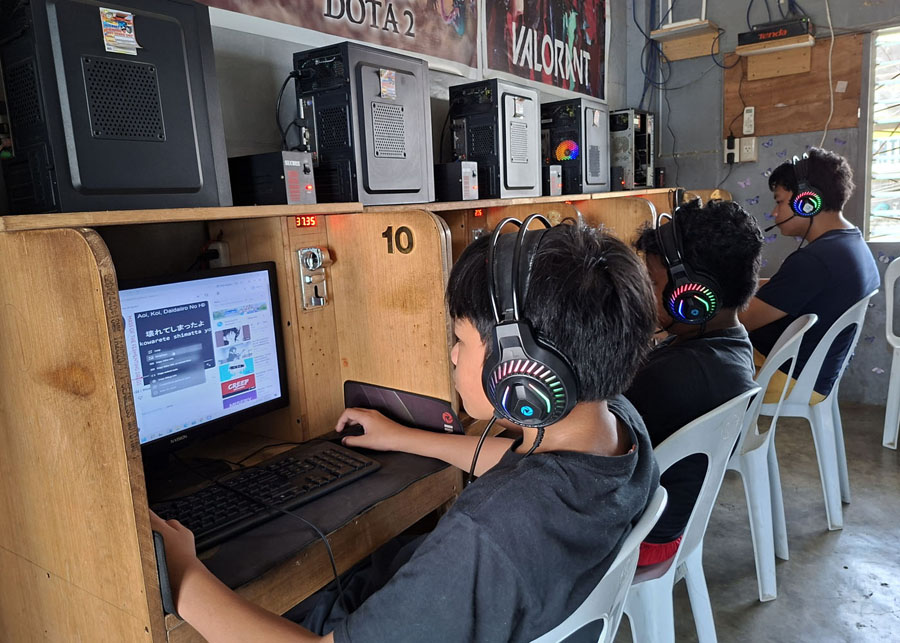
“We used to have a crowd here and a long queue outside waiting for their turn,” he recounted, turning his attention to answer the question after winning the match. “However, there’s a new Internet cafe in town, and admittedly, they have more powerful computers. We can’t compete with them.”
In times when competition in the market is a matter of survival, the high electricity costs only added to their financial burdens.
“Without the electricity, we can’t run the computers and we make no money,” he said. “Our expenses are still there. We have to eat and we have to give the children their allowances.”
Power outages are bad for business.
Stephen also said they are forced to cut costs because more Internet cafes have mushroomed in town. “For instance, our AC is only running once a week. We just turn it on from time to time just so parts would not rust and corrode.”
For the August billing cycle, he said their shop paid P800 for electricity, which is within the average. While he knew nothing about Davao Light’s services, he welcomed the idea of another player to break the monopoly. “Perhaps we can choose which of them offers more affordable electricity rates. It will really help us, especially now that we are facing stiff competition that affects our income.”
When it comes to electricity, the people of Maco have been at the mercy of their electricity provider. Now, as plans are being laid to expand the distribution network throughout the province, many are looking forward to a new change.

