


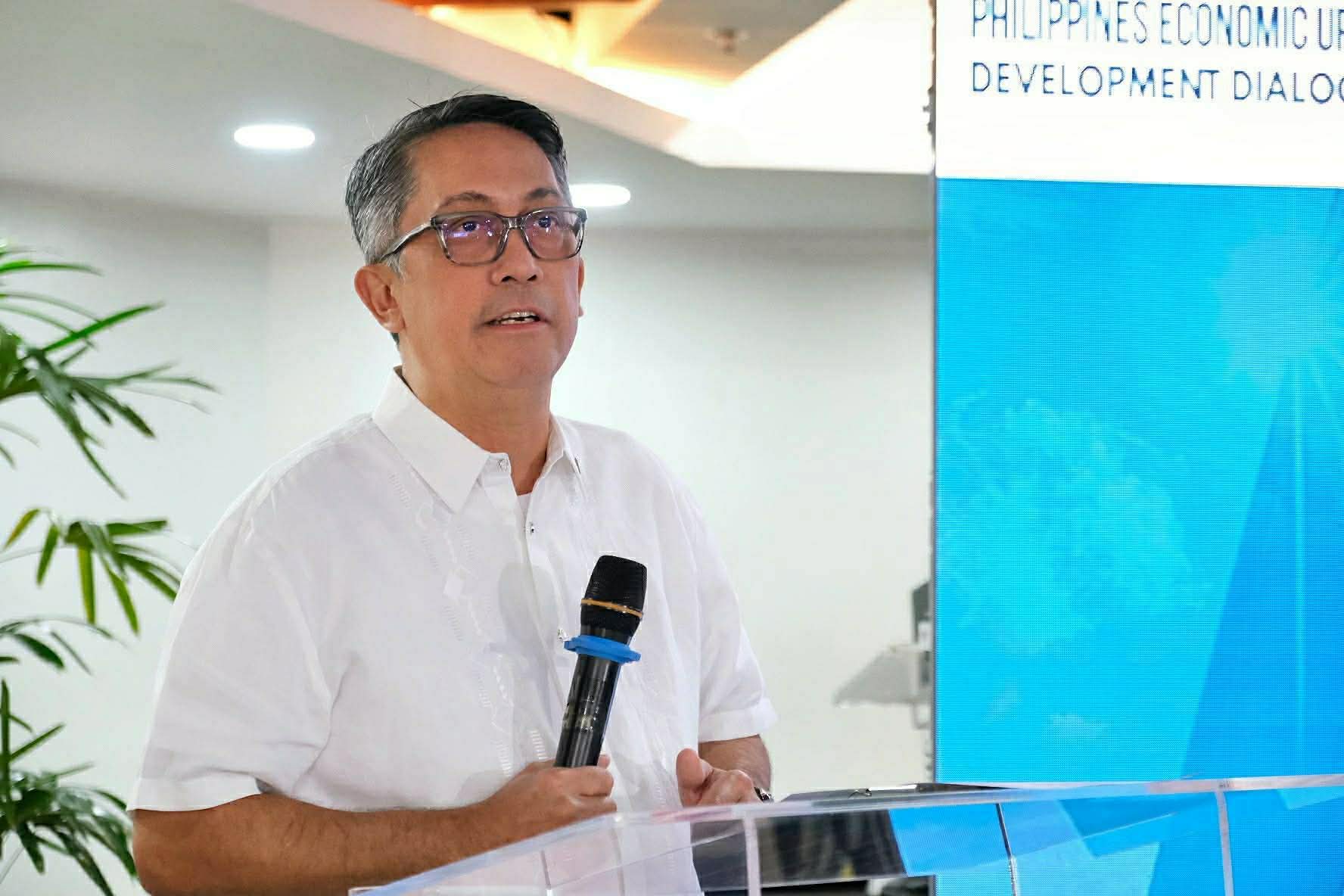
THE EFFICIENCY of local government units can reduce regional poverty as it is directly correlated to productivity and job creation, the World Bank said in a report.
World Bank economist Irene Azardon said the ability of local governments to translate their growth into poverty reduction depends on their capacity to manage resources and deliver core services.
“When LGUs operate effectively, they create an environment that supports higher productivity, which is essential for raising incomes and reducing poverty in lagging regions,” Azardon said.
In the report “Closing the Gaps: The Role of Urbanization and Local Service Delivery for Integrated Development in the Philippines,” Azardon said LGUs must shift their spending toward economic services and infrastructure to support local industries and job markets.
World Bank data showed that LGUs currently spend heavily on general public services rather than core local services like health and economic development.
Azardon recommended LGUs to not rely heavily on the national tax allotment but generate more own source revenue, which will allow them to invest more in infrastructure and services that drive development.
She added that modernizing LGU finances through updated revenue collection can improve allocative efficiency “Better LGU management leads to higher regional productivity,” the economist stressed.
Mindanao Development Authority (MinDA) Secretary Leo Tesoro Magno supported the World Bank’s recommendation on empowering LGUs to reduce poverty.
Magno said the agency continues to empower LGUs with technical capacity and hands-on guidance to attract private investments.
The secretary said this is the core of the Public-Private Partnership (PPP) Desk and PPP Facilitation Initiative, through the collaboration of the PPP Center and MinDA.
“We will conduct a caravan for our PPP with a roadshow starting in Region 9, and we will tour in every region to remind them that PPP is a tool they can use in their locality,” Magno said.
PPP Desk, working jointly with the PPP Center, serves as a dedicated unit to facilitate and coordinate PPP initiatives and support in Mindanao to help develop and implement sustainable infrastructure projects.
The PPP Desk stands as a technical and coordination hub for LGUs in Mindanao to guide them in crafting local PPP policies, and connect the LGUs to potential private sector investors.
MinDA lists PPP priorities in Mindanao, which include water systems, energy and utilities in off-grid areas to achieve a 50/50 energy mix by 2030, transport and connectivity, digital infra; agriculture and food security; tourism and hospitality; and health and public services.
On Feb 24, 2026, MinDA and the Philippine Economic Zone Authority (PEZA) signed a memorandum of understanding to strengthen collaboration in ecozone development, and open wider investment opportunities across Mindanao especially for LGUs.
