


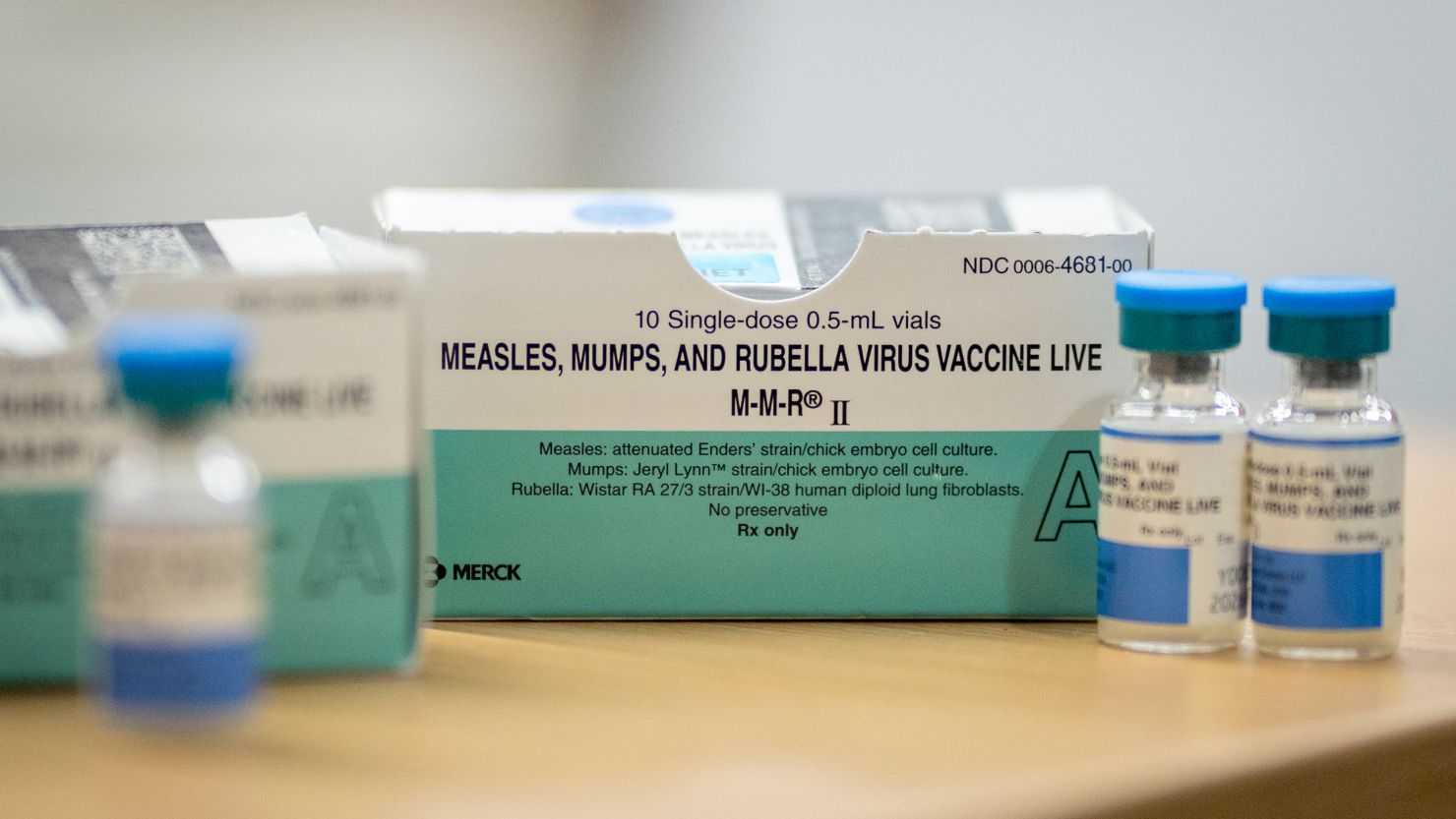
A TOTAL of 316,074 children aged 6-59 months have been vaccinated under the measles-rubella supplemental immunization activity (MR-SIA), translating to a 61.61% completion rate.
During the Kapihan sa PIA on Monday, Feb. 9, Dr. Grace Amistoso, DOH XI OIC assistant regional director, said that only 196,935 remain unvaccinated of the target population of 513,009 children.
As of Feb. 8, Davao City recorded the lowest turnout with 91,877 vaccinated out of 167,192 eligible children, representing a 54.95% coverage. Davao Occidental recorded 19,407 vaccinated and 15,700 unvaccinated among 35,107 eligible children, achieving 55.28%.
In Davao del Sur, 40,054 out of 67,039 children were vaccinated, leaving 26,985 unvaccinated and resulting in 59.75% coverage.
Davao del Norte posted a 63.21% accomplishment with 70,764 vaccinated and 41,195 unvaccinated out of 111,959 eligible.
Meanwhile, Davao de Oro vaccinated 50,870 of its 75,610 target, with 24,740 still unvaccinated, reaching 67.28%.
On the other hand, Davao Oriental showed the highest performance in the region, with 43,102 vaccinated out of 56,102 eligible children, leaving 13,000 unvaccinated and reaching 76.83% accomplishment.
“As we move into the last week, our focus is clear to reach every remaining eligible child, especially those hard-to-reach areas and those who missed earlier vaccination days,” she said.
Dr. Janis Olavides, DOH XI Medical Officer IV, said the agency continues to reach out to the grassroots to reach the 95% herd immunity target.
To meet the 95% regional target of 487,359 children, an additional 171,285 vaccinations are still needed.
Olavides stressed that the deferrals and refusals from the parents are a challenge to the program. Deferrals are those parents who wish to postpone the vaccination as the child is sick, while refusals refer to parents who still exhibit fear of the vaccine.
However, about 25% of the previously deferred children were eventually vaccinated as the assigned health workers continued to monitor these children.
Olavides said refusals this year are not high due to the series of vaccinations that the agency implemented.
“The supplemental immunization is necessary because we have not reached our herd immunity of 95%, so the target eligibles might still contract measles,” she added.
With the supplemental immunization campaign ending on Feb. 13, the agency urged parents to have their children undergo routine immunization.
