


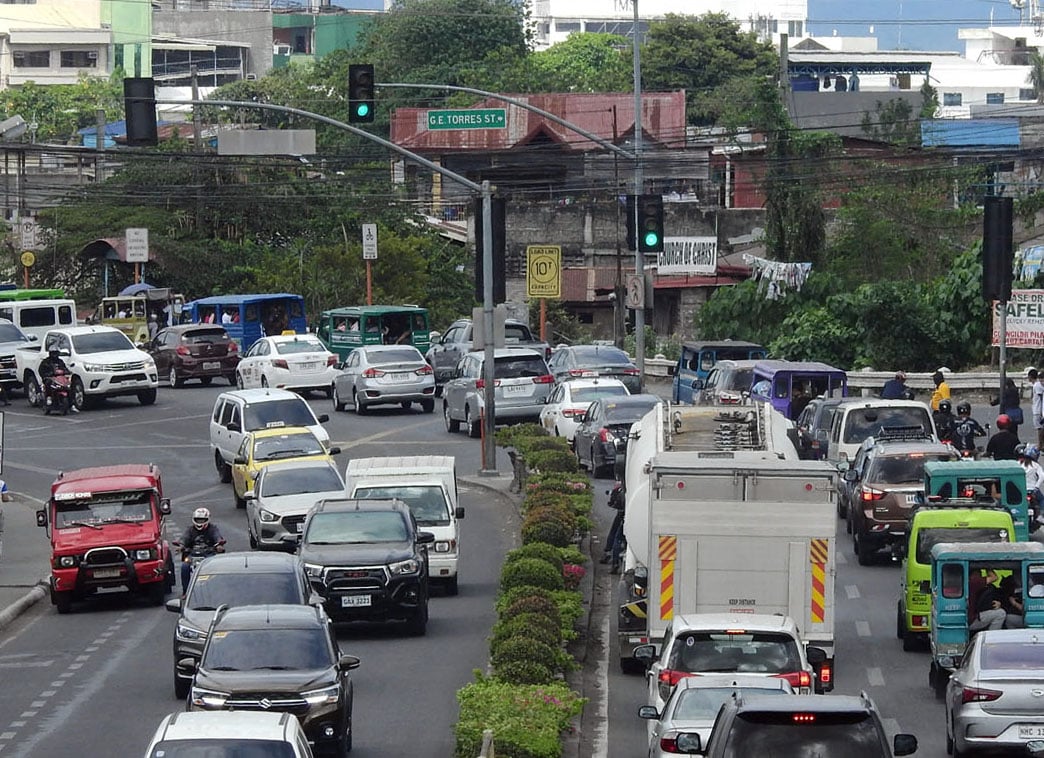
THE MINDANAO Alliance for Progress (MAP) urged Davao City officials to present a comprehensive traffic management plan to address Davaoeños’ growing concerns over the city’s worsening traffic situation.
The city, which recently topped Tomtom Traffic Index as the most traffic-congested city in the country and 4th in Asia, is seen to continue to experience traffic congestion as a byproduct of urban growth.
In an interview with Radyo Pilipinas, MAP coordinator Mayet Valdez said that while the problem is not as bad as it is being reported in the national media, traffic in the city does need to be addressed to prevent it from worsening.
“Traffic is a growing problem that we need to address. It is also an indicator of a growing city. I believe that the local government is doing its part, but it’s not something that can be immediately addressed,” Valdez said.
She said the solution is not as simple as adding more roads, tunnels, and bridges because while these can help address the problem, they cannot be built overnight.
The bus transit system that the city is testing out is already getting good reviews and can help ease the problem, especially if there are already designated bus lanes and a sufficient number of buses.
Valdez suggested implementing a comprehensive traffic management policy to address the traffic problem.
“There is a need to implement a comprehensive system and clearly communicate the full traffic management plan to the public to help them understand,” she said.
“If we start communicating to our people that there is a bigger plan and not just focus on a single project, then people can make better decisions and adapt to changes,” she added.
Number coding is one of the possible measures suggested to regulate private vehicles. However, Valdez said this is not a complete solution, as those who can afford it can simply buy more cars to avoid coding.
More than coding, she suggested stronger policies and efficient systems, like ensuring traffic lights are functioning properly, maintaining clean and obstruction-free roads, and improving coordination between pedestrian lanes and traffic signals.
