



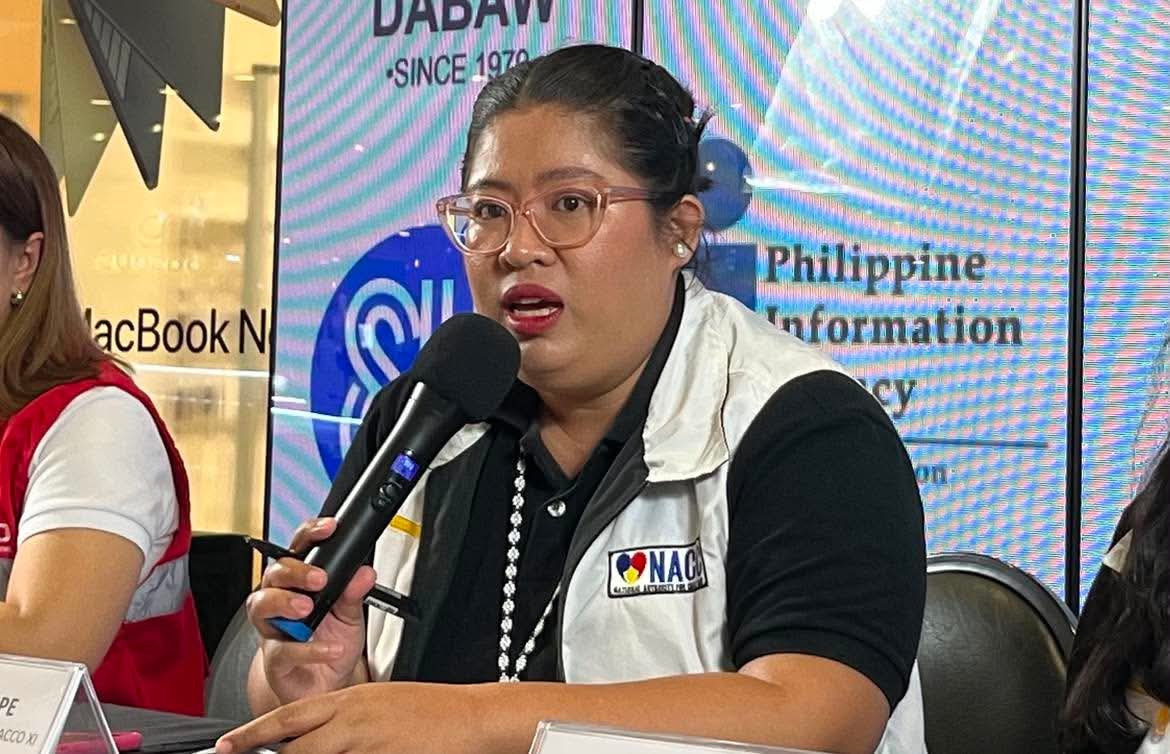
PARENTS who cannot care for their newborns should surrender them to authorities rather than dumping them elsewhere, an official of the Department of Social Welfare and Development (DSWD) XI said Monday.
During the Kapehan sa Dabaw on Monday, Mae Elaine Despe, social welfare officer at the DSWD XI Regional Alternative Child Care Office (RACCO), said the agency has recorded 10 foundling cases this year, bringing the total to 46 since 2022.
Foundling refers to a deserted or abandoned infant whose birth facts and parents are unknown.
Under R.A. 11767, or the Foundling Recognition and Protection Act, parents in crisis have a safe, legal way to turn to the state to protect an infant 30 days old or younger.
The infants can be relinquished to licensed child-caring or child-placing agencies, a church, a DOH-accredited health facility, the LSWDO, or DSWD- or LGU-managed facilities.
DSWD XI emphasized that parents are exempt from criminal liability and are offered counseling to understand the circumstances behind such decisions.
“Every child deserves a safe environment, legal identity, family care, and protection, regardless of the circumstances of their birth or how they came into the care of authorities,” she said.
Foundlings, like all other children, are entitled to rights and protections that safeguard their dignity, welfare, and future.
Genica Galicia, RACCO XI social worker, added that most of the 46 cases came from Davao City and Davao del Sur.
Galicia said the highest number of foundling cases in a single year was 14, recorded in 2025.
She recalled a case in Digos City where a woman who claimed to have found an infant turned out to be the child’s biological mother.
“Within 48 hours of finding the child, the finder reports to the nearest Local Social Welfare and Development Office or to any safe haven provider, who then coordinates with the NACC through the RACCO so the child gets the right care right away,” Galicia said.
A found child is first brought to the nearest medical facility for a checkup, newborn screening, and vaccines, and then placed in temporary foster care.
Placement is not automatic adoption, as the RACCO and local government units will find the birth family. But if no family is found, the child may be declared legally available for adoption.
Of the 46 cases, some have been adopted or matched with adoptive families, while the rest remain with licensed foster families or child-caring agencies while the search for relatives and the legal declaration continue.

