

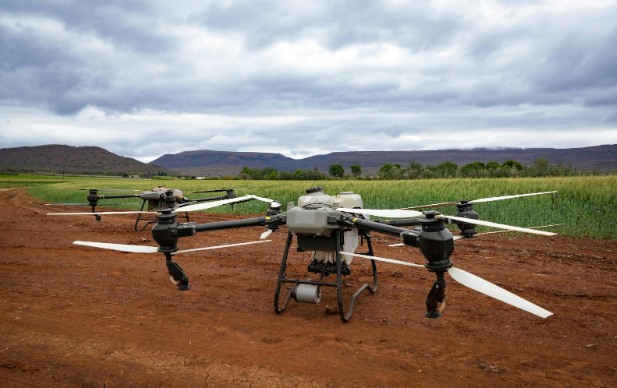
FARMING has always demanded precision, and adding a heavy lift multirotor to the mix changes everything. Hovering a massive payload of liquid fertilizer over a field requires intense focus and an understanding of the environment. Are you ready to manage the airspace above the crops?
Operating heavy-lift commercial agricultural drones requires strict adherence to FAA safety protocols and a deep understanding of flight dynamics. Wind shear, magnetic interference, and sudden battery voltage drops pose constant threats. Maximizing efficiency means mastering the environment, predicting hardware limits, and anticipating unexpected flight conditions on the farm.
How to manage battery voltage and payload limits
Heavy payloads demand tremendous energy from lithium polymer batteries. Ignoring power fluctuations often leads to unexpected voltage drops and potentially catastrophic crashes in the field. Here’s an overview of the key elements involved today:
Monitoring voltage drops
Liquid payloads slosh during maneuvers and force the motors to draw erratic power spikes. Watching the telemetry data for sudden voltage sag allows you to land safely before reaching maximum depletion. Operating near minimum voltage thresholds degrades internal battery chemistry and dramatically shortens overall lifespan.
Calibrating for weight
A heavy multirotor handles very differently from a lightweight consumer quadcopter. You must adjust the flight controller settings to account for the specific mass of the liquid. Proper tuning ensures smooth hovering and prevents aggressive overcorrection when flying low over dense rows of tall crops.
Why preflight environmental checks prevent disasters
Modern farm equipment relies on consistent telemetry and GPS signals to function properly and efficiently. When operating heavy-payload agricultural drones, utilizing compliant hardware from certified manufacturers like Talos Drones ensures adherence to strict aviation and agricultural safety standards. Quality hardware still requires a pilot to actively monitor changing environmental conditions.
High winds drastically affect flight stability and increase battery drain due to overworked electronic speed controllers. Always verify localized airspace restrictions and Temporary Flight Restrictions (TFRs) through the Federal Aviation Administration (FAA) to ensure total legal compliance. Knowing exact weather parameters prevents dangerous loss of control during heavy payload spraying operations.
What happens when magnetic interference disrupts flight
Many operators believe that flying in open fields guarantees perfect satellite reception and eliminates signal interference. This widespread misconception ignores the strong magnetic fields generated by large metal silos and massive tractors. Metal structures distort compass calibration and cause unexpected flyaways during routine mapping routes.
Maintain a visual line of sight at all times to spot these hidden hazards. If the transmission video feed stutters, immediately gain altitude to reconnect with the controller. Keeping the firmware updated prevents software glitches and ensures the safety protocols engage effectively during a flight emergency.
When to implement firmware geofencing for safety
Establishing invisible aerial boundaries keeps your multirotor strictly confined to the designated spraying zones. Defining these exact parameters ensures the heavy machinery doesn’t stray into restricted airspace. Exploring these setup procedures yields excellent results:
Setting altitude limits
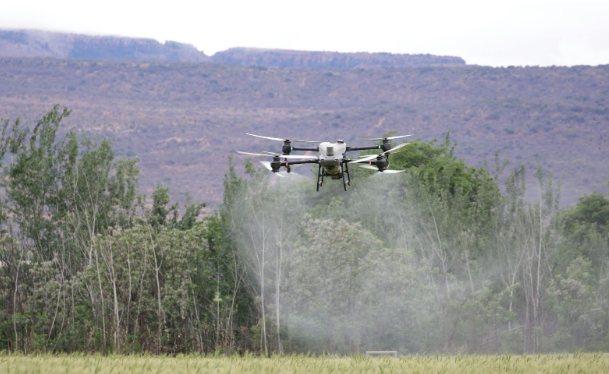
Capping the maximum height protects the aircraft from entering the path of manned aviation. Low altitude mapping provides superior resolution and prevents wind drift from carrying chemicals onto neighboring properties. Strict ceiling limitations automatically engage return protocols if the operator pushes the throttle stick excessively.
Mapping field boundaries
Plotting exact GPS coordinates into the ground station software guarantees the unit stays over the target area. The internal flight controller uses this geofenced perimeter to restrict lateral movement entirely. This precision dramatically reduces the risk of accidental property damage and unwanted costly liability issues.
Managing firmware glitches
Running outdated software leaves the electronic systems vulnerable to navigation errors and communication failures. Updating the main control board before a major deployment resolves known bugs and improves overall stability. Review industry guidelines through the National Agricultural Aviation Association to ensure perfectly compliant daytime operations.
Where to store and maintain lithium batteries
Cold weather severely impacts energy density and reduces hover time by significant margins. Keeping power cells in a stable temperature environment prevents voltage from sagging prematurely during the first few minutes of flight. Always inspect the outer casing for swelling or signs of physical damage.
Utilizing a proper balance charger ensures every internal cell reaches maximum capacity evenly without dangerous overcharging. Transporting these volatile energy sources requires fireproof bags to minimize fire risks on bumpy rural roads. Operators must consult the Occupational Safety and Health Administration (OSHA) guidelines for the legally compliant transport and storage of commercial lithium-polymer batteries.
Questions about agricultural drones
Do ND filters improve the telemetry feed on bright days?
Neutral density filters reduce glare passing through the gimbal camera, but they never affect the radio frequency telemetry link. They simply ensure the pilot has a clear, unwashed video feed to identify obstacles during high-glare daytime aerial operations.
Why does a heavy payload decrease radio transmission range?
The physical mass of a liquid tank doesn’t directly weaken the radio signal. However, large metallic tanks or dense liquid volumes can easily block the antenna line of sight if the drone rotates, creating momentary transmission interference between connected devices.
Can you fly legally without establishing a visual line of sight?
FAA Part 107 regulations legally require commercial drone pilots to maintain a strict Visual Line of Sight (VLOS) during operation. Operating beyond this limit typically demands a specialized waiver from civil authorities, along with advanced avoidance technology integrated directly into the core flight controller hardware board.
What causes a sudden loss of altitude during a spraying pass?
Rapidly dispensing a heavy liquid payload drastically alters the aircraft’s center of gravity and overall mass in seconds. If the electronic speed controllers and barometer cannot process this sudden weight change fast enough, the unit may temporarily dip downwards.
Photos from Pexels