


MANILA – Public trust in Philippine news outlets declined across all platforms, reflecting a broader atmosphere of skepticism shaped by persistent corruption controversies and political turmoil, according to the PAHAYAG 2025 End-of-the-Year Survey.
The downturn cuts across television, print, online, and radio news outlets, signaling a generalized erosion of confidence in media rather than isolated declines tied to specific channels. Unlike government agencies, where trust erosion is largely driven by respondents in Visayas and Mindanao, the drop in trust toward media varies by region, depending on the platform and outlet.
Television news outlets continue to register moderate trust levels overall, but all major networks show declining ratings this quarter. Even established broadcasters such as GMA (45% to 40%), TV5/Interaksyon (33% to 26%), and PTV4 (18% to 14%) experienced noticeable softening in trust responses nationwide.
A similar pattern is evident across print and online news organizations. All monitored outlets posted quarter-on-quarter declines in trust, apart from low-income households, driving the decline more than other income groups (14/15). Those aged 18-24 years old also showed consistent significant drops in trust rating for the majority of outlets (9/15), more than the other groups.
Among print and online news organizations, Rappler (27% to 21%) and Newswatch Plus (31% to 25%) stand out for posting a notable decline in trust this quarter, from 27% to 21%.
Radio, long considered a resilient and community-anchored medium, was not spared. Major radio networks likewise recorded falling trust scores, driven again by low-income listeners, who showed consistent and significant declines across all stations surveyed.
The findings raise critical questions about the current media environment. Are Filipinos losing confidence because they feel their lived realities are not reflected in news coverage—or is this a case of “shooting the messenger,” where frustration over relentless reports of corruption, scandals, and governance failures is redirected toward the media delivering the news?
Boomers, Gen X lean traditional; Millennials go hybrid; Gen Z turns to digital
Filipinos across generations still turn first to the internet and television for information, but the pathways clearly diverge by age.
For Baby Boomers and Generation X, information consumption remains anchored in traditional mass media. Television, newspapers, and AM radio continue to register meaningful reach, reinforcing the staying power of legacy platforms among older audiences.
Millennials sit at the crossroads. They match Baby Boomers in TV consumption, lead in Facebook use, and maintain strong reliance on internet browsing—making them the most hybrid generation in how they receive information.
Among Gen Z, information is less institutional and more social. While the internet and Facebook remain important, Gen Z is far more likely than older cohorts to learn about issues through friends, co-workers, and relatives, signaling a shift toward peer-driven and network-based information flows.
Traditional media show a clear generational drop-off. Newspaper readership, AM/FM radio listening, and cable TV steadily decline from older to younger cohorts, while platforms like Twitter remain niche and concentrated among younger users.
Overall, the data point to a fragmented media landscape: older generations rely on broadcast and print authority, Millennials blend old and new, and Gen Z places greater weight on digital platforms and personal networks.
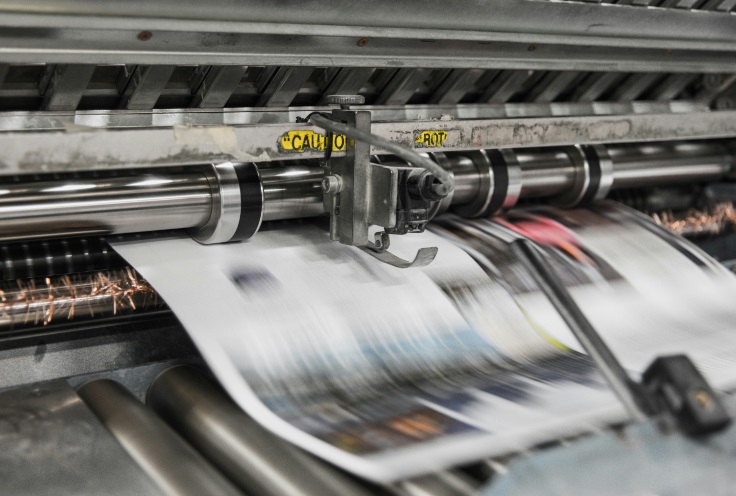
Photo by Bank Phrom on Unsplash