

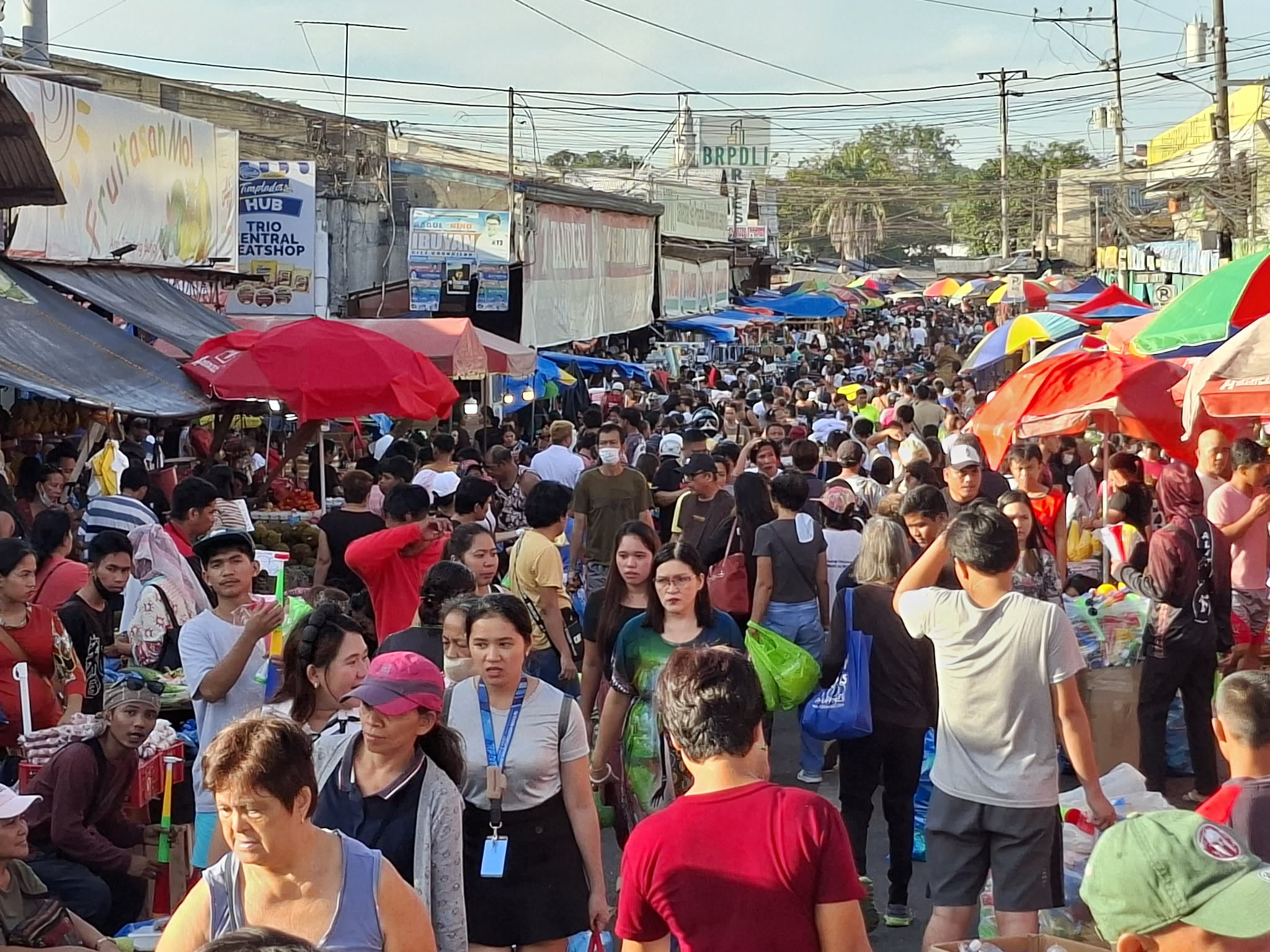
MANILA – Against a backdrop of persistent corruption scandals, declining trust in top national leaders, and fragile business and investor confidence, a majority of Filipinos remain pessimistic about the country’s prospects heading into 2026.
Six in ten voters (58%) say they are pessimistic about the state of the country as the new year approaches. While this marks an improvement from 70% last quarter, it remains significantly higher than the 49% recorded a year ago—underscoring that pessimism, though easing, continues to dominate public sentiment.
Optimism has rebounded to 42%, up from 30% last quarter, but still below last year’s 51%. This improvement is largely driven by more favorable expectations for the national economy and household finances, which appear to be cushioning the negative effects of ongoing political and governance concerns.
Governance concerns outweigh economic worries
Despite improving economic expectations, Filipinos increasingly view the current state of the nation as weak and moving in the wrong direction, with both indicators now at their highest levels since tracking began. Only 24% describe the country’s condition as strong (down from 27% in Q3), while 49% consider it weak (up from 45%). Similarly, just 31% believe the country is headed in the right direction, down from 33% last quarter.
Notably, this pessimism is not primarily driven by economic anxiety. Looking ahead, 37% expect the national economy to improve in the next quarter, while an even higher 55% anticipate better household financial conditions—clear signs of short-term economic optimism.
The disconnect points instead to a deepening erosion of public trust, fueled by unresolved corruption controversies, weak accountability among top officials, and uncertainty over political leadership. These governance issues continue to undermine confidence despite improving economic signals.
Regional and sectoral divide in confidence
Pessimism is most pronounced in the Visayas and Mindanao, among the youth sector (ages 18–20), high-income earners, government workers, non-OFW households, and respondents with no formal education or a college background, reflecting stronger dissatisfaction with governance and national direction.
In contrast, South Luzon and Visayas register the highest optimism regarding economic and household prospects for the first quarter of 2026, highlighting a growing divide between economic expectations and confidence in national leadership.
PEOY-2025 is an independent, non-commissioned nationwide purposive sampling survey conducted from December 7 to 10, 2025, comprising 1,500 respondents who are registered Filipino voters, randomly selected from the market research panel of PureSpectrum, a US-based panel marketplace with global operations and a regional office in Singapore.