

BY ALEX ALAGON

BY ALEX ALAGON

As Mrs. Dango, our speech teacher in college, used to say, unless people stop speaking it, language ‘lives on’. I guess she also meant to include that, just like other living entities, language will naturally, through time, shed off old unusable skin in order to grow a new one. A case in point of this might perhaps be how we converse in the realm of social media.
If one were to take the time to pore through its countless threads included in comments and conversations, it would seem that even with English as the medium, people sound as if they’re speaking in tongues most of the time.
Given that it’s true each generation contributes to any language’s ever-growing tome, the birthing of slang for one, always proves to be faster than the speed and service of one’s internet provider. For example, one dire scenario, like getting caught in the middle of a convo with younger generations, is akin to hearing a private joke when you’re just an outsider. The feeling is also like being left out in the cold or trying to gain entrance without a visitor’s ID.
Granted, developing situations such as these may have been common even before the advent of the Internet, but the possibilities of being awkwardly plunged into the midst of such instances have now more than tripled, just by being online. Connectivity may have indeed brought all tribes together, and we’ve each been given a microphone so we could say our piece.
One downside, perhaps, the introduction of generation-based terminology subtly, through time, affects already existing conversation modes. The popular use of acronyms (like lol or btw), puns, and throwback slangs used by earlier generations, etc., may all be regarded naively as structural tweaks, but there are those who believe they’re not only divisive and alienating, they’re there to stamp one tribe’s identity over the existing norm, so to speak.
This isn’t just personal opinion, mind you, but several works have already discussed the continued “dumbing” of language. The clear thing is, we might have become lazy, taking shortcuts, whereby mutilating words, as though we’re in a hurry to get things done ASAP.
Also not to be missed out is the declarative usage of emotive icons or emoticons, which, in a click or two, conveniently conveys a single sentiment represented through so-called emojis.
While again, all may merely be structural quirks of worldwide chat, which drive home the message that communications and language are both dynamic, it does not necessarily follow that we are equally-dynamic as well. Sure, there are some who accept it as the new normal, but others do it, not only because it is popular but because of a belongingness feel. The question remains, do traditional dialogue conventions still apply in this evolving and reformatted talk-universe?
Thank God many still converse and chat in complete sentences. It is usually those from the younger generations where cutting words (not abbreviate, mind you) or using acronyms are common. Time will surely come when like old skin, us and our choice of language get peeled away. No worries however, that’s how it is with this flat earth of ours that skips like a stone through water around the sun.

IN WITNESSING through television coverage the Senate Blue Ribbon Committee investigation into the highly anomalous and graft-ridden flood control projects, we noticed some developing scenarios. These tell the Filipinos there is more to come out other than unmasking the erring contractors and certain officials of the Department of Public Works and Highways (DPWH).
For example, during the recent Senate hearing, Davaoeño Senator Ronald “Bato” dela Rosa questioned the controversial contractor firm owner Sara Discaya when her firms started dealing with the DPWH on flood control projects. Ms. Discaya’s answer was “since 2016.”
Earlier in the same hearing, Sen. Jinggoy Estrada asked Ms. Discaya when she started buying luxury vehicles that are now part of her family’s fleet of luxurious cars. Discaya’s answer was “as early as 2018 or 2019” with a number purchased starting in 2022.
Also very noticeable is the intriguing silence of Sen. Mark Villar. He was the DPWH secretary from 2016 until his run for the Senate in 2022.
Then came this report yesterday, again as an offshoot of the ongoing Senate probe. According to the report, a firm owned by the Discayas has entered into a partnership with a Davao City-based contractor company for the construction of flood prevention projects worth over P860 million in Davao City.
With this initial probe outcome, what will the more discerning Filipinos read in unwritten messages that may have been delivered by these developing probe scenarios?
******************************
So, the Davao City Police Office (DCPO) leadership is confident it can continue maintaining the accolade of the City as one of the safest in Southeast Asia?
With what DCPO Director Col. Annan Muarip is doing, encouraging the people in the community to engage themselves in peacekeeping activities, we totally agree with him. That is, the local police could sustain the image that for some years already, Davao had such a reputation.
And then the DCPO Director has followed the footsteps of former police Chief, then Col. Michael John Dubria, in building a solid police relationship with the people in the city’s various communities. Dubria went on to become the number 3 man in the police organization with the rank of Lt. General. He is now retired but still works in a police-connected agency.
Besides, Colonel Muarip appears to have gotten the trust and confidence of Davao City Acting Mayor Baste Duterte. With the mayor’s support, Muarip can be certain of his success in retaining for the city the honor of being top among the safest in the Southeast Asian region.
On this endeavor, the DCPO director deserves every Davaoeño’s support.
******************************
Sen. Panfilo Lacson raised in the Senate the question of the absorptive capacity of the first district of Davao City for flood control projects that were provided funds amounting to P51 billion.
According to the senator, he has no way of imagining how a single district can have so much need for flood control infrastructures when the need may not be that much.
Well, the senator may have ordered his people to scour the whole of Davao City’s first district because, based on his statement in the Senate, he appears certain that the district may not have that much need for flood control projects.
Indeed, the former Police National director-turned senator had commissioned his people to study the terrain of the first district; chances are, he could be correct in his question about where the projects could have been implemented.
After all, there are only three major waterways in District 1. And these are the Davao River, which exits in Bucana; the Pangi River with exit in Matina Aplaya; and the Talomo River that emanates from somewhere up in Baguio district down to Calinan, then to Los Amigos, to Tugbok, and finally exiting in Barangay Talomo in the first district.
There are also some low-lying areas in the first district that are sometimes inundated with flood waters when strong rains in the upstream fall for a long time.
Probably these are the reasons why Lacson questioned the absorptive capacity of Davao City’s first district.
We wonder if the Senator will push for the inclusion of the flood control projects in the city’s first district in the ongoing Senate investigation on that burning issue.

MANILA, Philippines – Philippine Airlines (PAL) has launched the sale of international air tickets using New Distribution Capability (NDC) on Trip.com. As the first global travel service provider to offer this NDC integration with PAL, Trip.com now allows customers from Asia, Australia, and the United States of America to access the same fares and reservation services available on the PAL website, through leading content aggregator, Travelfusion.
With NDC integration, Trip.com now offers a wider selection of fares – from lower fares to student fares, as well as personalised ancillary products such as seat selection and prepaid baggage options to its customers through the platform. Customers can also access key post-booking services such as itinerary changes and refunds, enhancing their booking convenience when purchasing PAL tickets via Trip.com.
Through the partnership, Trip.com enables PAL to deepen engagement with international students travelling between Asia, North America, and Oceania via its platform’s smart segmentation tools. This enables exclusive, personalised student offers and bundling opportunities of ancillary products, tailored for value-seeking customers like students, first-time travellers and diaspora communities. Using NDC technology, PAL can offer demand-based localised fare bundles across markets, enhancing the customer experience.
Competitive fares and enhanced convenience for Trip.com customers
In the future, customers can look forward to more exclusive NDC deals and options available on the Trip.com platform.
“The partnership between Philippine Airlines and Trip.Com will provide our customers a personalized, and seamless flight booking and buying experience through NDC integration with Travelfusion,” said Justin Warby, VP Sales and Distribution, Philippine Airlines.
“Through partnerships, PAL will be able to expand its distribution capabilities and offer a passenger-centric booking experience for agencies and travelers across the globe,” he added.
“We are proud to be the first global travel service provider to enter an NDC integration partnership with Philippine Airlines in the Asia Pacific. This partnership will enable our users to enjoy better fare options and booking experiences, leveraging our extensive network and experience to expand PAL’s reach to customers in the region and beyond. We look forward to deepening our partnership with PAL to deliver seamless travel experiences to meet the evolving needs of today’s travellers,” said Kirk Wong, Regional Airline Director, Oceania, Southeast Asia, ISC, and Middle East, Trip.com Group.
Photo from PAL
Alsons Development and Investment Corporation (Alsons Dev) once again was among the recognized developers at the 13th PropertyGuru Philippines Property Awards, earning multiple distinctions that underscore the company’s consistent track record in delivering quality developments in Mindanao. The awarding ceremony, presented in partnership with global brand Kohler, was held on August 15, 2025, at Shangri-La The Fort, Manila.
Established in 2011, the PropertyGuru Philippines Property Awards is the country’s leading real estate awards program, recognizing top developers and projects nationwide. At this year’s event, Alsons Dev received multiple honors across key categories: Best Housing Development (Mindanao) for Narra Park Residences Avia, Best Mixed Use Development for Avia Estate, and a Highly Commended citation for Best Housing Development (Metro Davao) for Mahogany South.

These recognitions build on Alsons Dev’s award-winning streak that began in 2023, underscoring the company’s reputation as a decorated developer in Mindanao and solidifying its multi-year legacy of excellence.
This year’s honors also highlight the strength of Alsons Dev’s portfolio. The recognition of Narra Park Residences Avia, which secured its second consecutive win as Best Housing Development (Mindanao), demonstrates the company’s leadership in delivering high-quality, thoughtfully designed housing developments. Avia Estate’s win as Best Mixed Use Development underscores Alsons Dev’s capability to create integrated, purposeful developments that combine residential, commercial, and leisure spaces in one masterplanned environment. Additionally, Mahogany South made a strong debut at the awards, earning a commendation that affirms its potential as a promising new residential community in Metro Davao.
“We are grateful to PropertyGuru Philippines for recognizing our work in Mindanao. These awards affirm our ongoing efforts to create well-planned communities that not only meet the needs of families today but also add long-term value to the region. It is especially meaningful to see Mindanao developments highlighted on a national stage, and we remain committed to building places that drive growth and opportunity for generations to come,” said Ms. Jolla Soriaga, Vice President for Business Development and Management of Alsons Dev.


Alsons Dev representatives pose for a photo after accepting three prestigious awards at the 13th PropertyGuru Philippines Property Awards, including Best Mixed-Use Development and Highly Commended for Best Housing Development (Metro Davao).
These accolades reinforce the company’s long-term commitment to building people-first communities in Mindanao. Alsons Dev’s approach centers on creating developments that are both accessible and aspirational, blending affordability with elevated living experiences. This strategy ensures that the developer’s projects meet the needs of the market and contribute to the long-term progress of the communities they serve.
With a track record of delivering developments with function, value, and enduring livability, Alsons Dev remains a trusted name in Mindanao real estate, serving as a partner in community building for generations to come.

MANILA, Philippines — HUAWEI Philippines is making smarter, cashless living more accessible than ever with GCash Watch Pay, now available on iOS in addition to Android and HUAWEI devices. Users across all platforms can enjoy seamless and secure QR code payments straight from their wrist using the latest HUAWEI wearables, including the HUAWEI WATCH GT 4 & GT 5 Series, HUAWEI WATCH FIT 3 & FIT 4 Series, HUAWEI WATCH D2, HUAWEI WATCH Ultimate, HUAWEI Band 10, and the HUAWEI WATCH 5, which is already supported on Android and HUAWEI devices and will soon be available on iOS. This aims to deliver truly inclusive cashless payment solutions to all users.
Pay anytime, anywhere on any device
GCash Watch Pay now works on iOS, Android, and HUAWEI phones, giving more Filipinos the freedom to pay in seconds straight from the wrist. GCash is the country’s leading finance super app. Trusted for shopping across millions of merchants, this expansion now lets iPhone users enjoy the same convenience, making everyday transactions easier and more secure.
Accessing GCash on HUAWEI smartwatches
For HUAWEI Smartphones:
For iOS and Android Devices:
By linking their GCash account to a HUAWEI smartwatch or fitness band, users get a dynamic QR code right on their wrist for instant scanning, making it easy to pay for coffee, commute fares, or daily essentials without a wallet. With this added flexibility, workouts, quick errands, and commutes become hassle-free, letting everyone enjoy the future of cashless convenience on HUAWEI’s latest wearables.
Tap into cashless convenience with HUAWEI’s latest wearables
With GCash Watch Pay now available on iOS, more users can experience cashless convenience across HUAWEI’s full range of wearables. Leading the smartwatch and fitness band market, HUAWEI sets the standard with cutting-edge health, fitness, and lifestyle technologies, now enhanced by seamless cashless payments that bring everyday convenience straight to your wrist.
Experience secure seamless payments
By extending its Watch Pay QR code payment system beyond HUAWEI wearables to iOS and Android devices, both GCash and HUAWEI are making inclusive digital finance accessible to users across all platforms.
Whether you are a HUAWEI user, an iPhone owner, or an Android fan, you can now enjoy the ease of cashless QR code payments right from your wrist. With GCash Watch Pay now available on the HUAWEI WATCH GT 4 and GT 5 Series, HUAWEI WATCH FIT 3 and FIT 4 Series, HUAWEI WATCH D2, HUAWEI WATCH Ultimate, HUAWEI Band 10, and the HUAWEI WATCH 5, which is already supported on Android and HUAWEI devices and will soon be available on iOS, everyday transactions are faster, more convenient, and safer with secure QR-based payments wherever you go.
HUAWEI Wearables are available on Shopee, Lazada, TikTok, HUAWEI Online Store and HUAWEI Experience Stores nationwide.
To learn more about GCash Watch Pay and HUAWEI’s line of wearable devices, visit HUAWEI’s official website or social media accounts (Facebook | Instagram).

BPI WEALTH, the asset and wealth management arm of Ayala-led Bank of the Philippine Islands (BPI), officially introduced the BPI Global Bond Income Fund through “Bonds Beyond Borders,” a multi-city roadshow held in Cebu and Davao for its Gold and Preferred clients. The events gave investors in Visayas and Mindanao an exclusive first look at this innovative fund designed to provide consistent monthly income from global fixed income markets.
The BPI Global Bond Income Fund is tailored for income-seekers who value regular payouts and stable returns, offering a moderate risk alternative by focusing solely on bonds and other fixed income securities worldwide. Unlike many income funds that rely on equities or balanced strategies, this fund delivers pure fixed income exposure, giving investors a way to reduce volatility while still enjoying steady cash flows.
At the core of the fund is its target fund, the PIMCO Income Fund—a globally acclaimed, actively managed global bond portfolio known for its resilient performance and disciplined strategy. With a strategic focus on yield generation while prioritizing capital preservation and an average annual payout of 6.1% as of April 2025, the target fund has earned a reputation for delivering reliable income across market cycles. PIMCO (Pacific Investment Management Company LLC), a global leader in active fixed income investing, manages over USD 2.03 trillion in assets as of the first quarter 2025 and serves institutional and individual investors across the globe.

“Our launch in Cebu and Davao reflects our strong commitment to bring world-class investment solutions closer to more Filipinos,” said Luis Antonio Zialcita, Chief Investment Officer of BPI Wealth. “With the BPI Global Bond Income Fund, clients now have access to a product that helps them navigate global uncertainties with confidence, while giving them meaningful opportunities to grow and protect their wealth.”
The fund is available in both US dollar and Philippine peso share classes, with a minimum investment of just USD 100 or PHP 1,000, making it one of the most accessible global bond offerings in the market.
“With global markets shaken by geopolitical uncertainty and persistent volatility, we see an increase in investor appetite for high-quality bonds,” said Clara Ng, Vice President at PIMCO. “We are pleased to partner with BPI Wealth to bring the PIMCO Income Fund to more Filipino investors.”
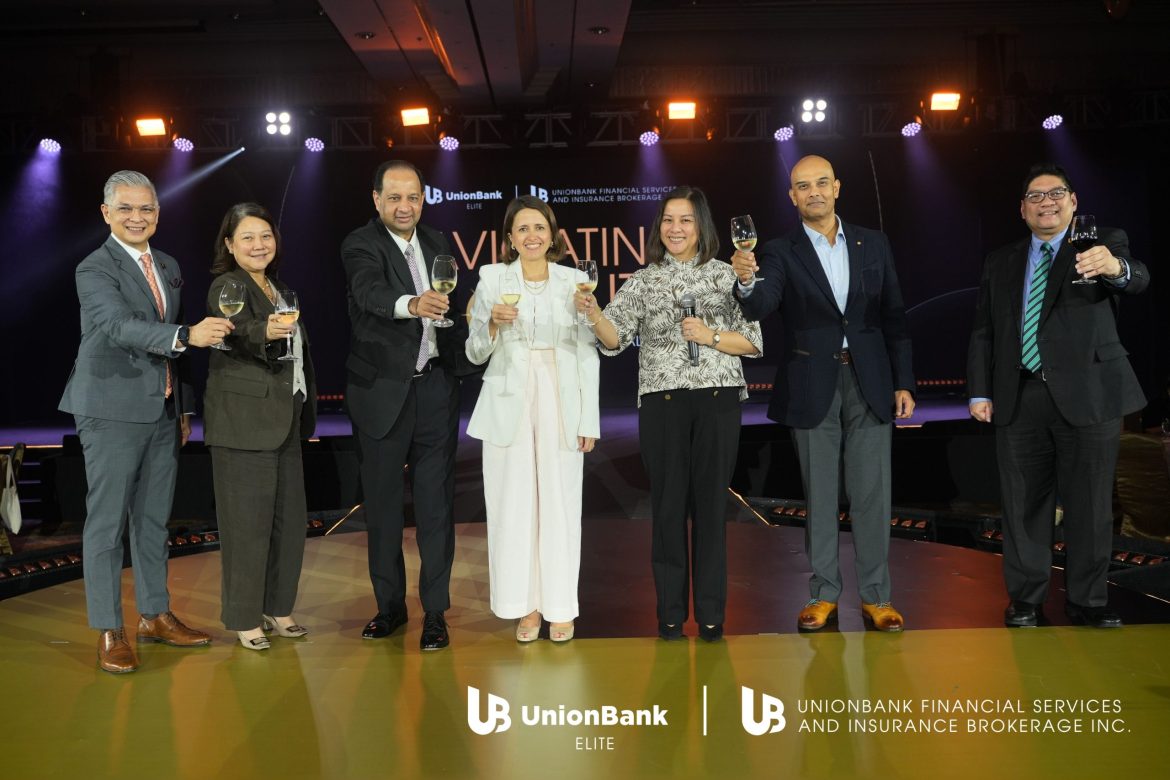
UNIONBANK Elite, the premier wealth management program of UnionBank, in partnership with UnionBank Financial Services and Insurance Brokerage Inc. (UFSI), recently hosted the 2025 Midyear Market Outlook event series – an exclusive gathering of clients, global investment experts, and strategic partners to exchange meaningful insights and forward-looking strategies. Held at Makati Shangri-La, Solaire North, and Radisson Blu Cebu, the event series – anchored on the theme “Navigating the Future: Your Wealth Compass” – equipped clients with insights to make informed decisions amid a rapidly evolving financial landscape.
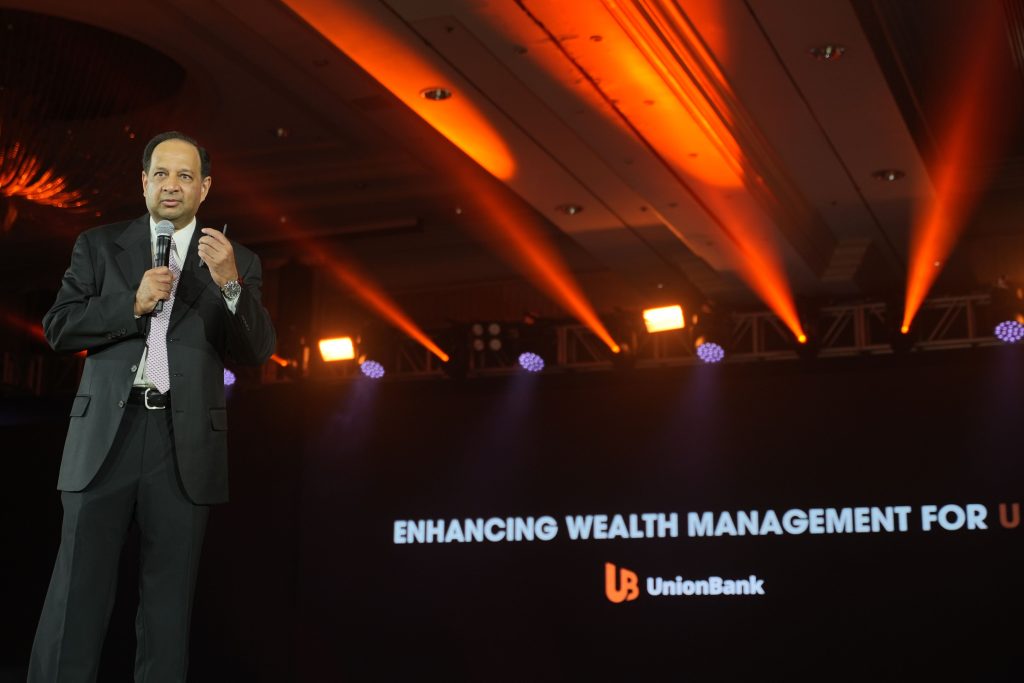
Manoj Varma, UnionBank Consumer Banking Head, opened the event by highlighting the premier products and programs designed for the bank’s high-net-worth clients. He underscored UnionBank’s commitment to elevating wealth management in the country, stating, “When we combine the best people in wealth management with the best global platforms, we are able to create the most value for you, our clients. With this holistic strategy, the returns that you are seeing are consistently above most of the industry.”
The main program featured expert perspectives on market trends, portfolio resilience, systematic investments, and long-term opportunities from leading global investment firms BlackRock, PIMCO, and ATRAM. These sessions were designed to help clients align their financial strategies with their personal goals and values, empowering them to make informed decisions with clarity and confidence.
UnionBank also showcased its leadership in digital innovation by presenting the new and existing features of UnionBank Online. Mr. Varma gave an exclusive preview of a first-in-market service, while Chief Marketing and Experience Officer Albert Cuadrante highlighted existing UnionBank Online features that can help clients manage their wealth and finances more easily and smarter. This emphasizes the bank’s proactive commitment to meeting the evolving needs of its clients and delivering seamless, future-ready solutions.
To further level up the occasion, Gian Magdangal, a world-class singer and theater actor, serenaded the audience with inspiring and powerful musical performances. Guests also enjoyed special treats and experiences made possible by partners such as Balesin, InLife, Salcedo Auctions, and Visa.
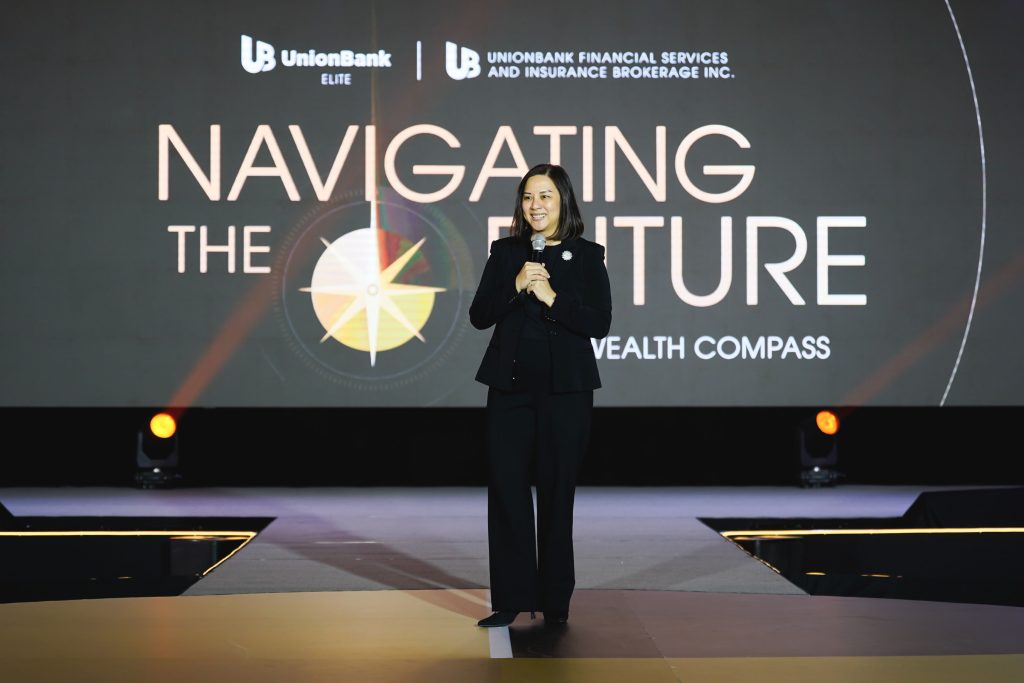
“Our goal is to equip clients with the clarity and confidence to move forward,” said Therese Chan, UnionBank Wealth Business Head. “Whether through our Relationship Managers, our digital platforms, or our partnerships with global experts, UnionBank is here to help clients navigate their wealth journey with purpose.”
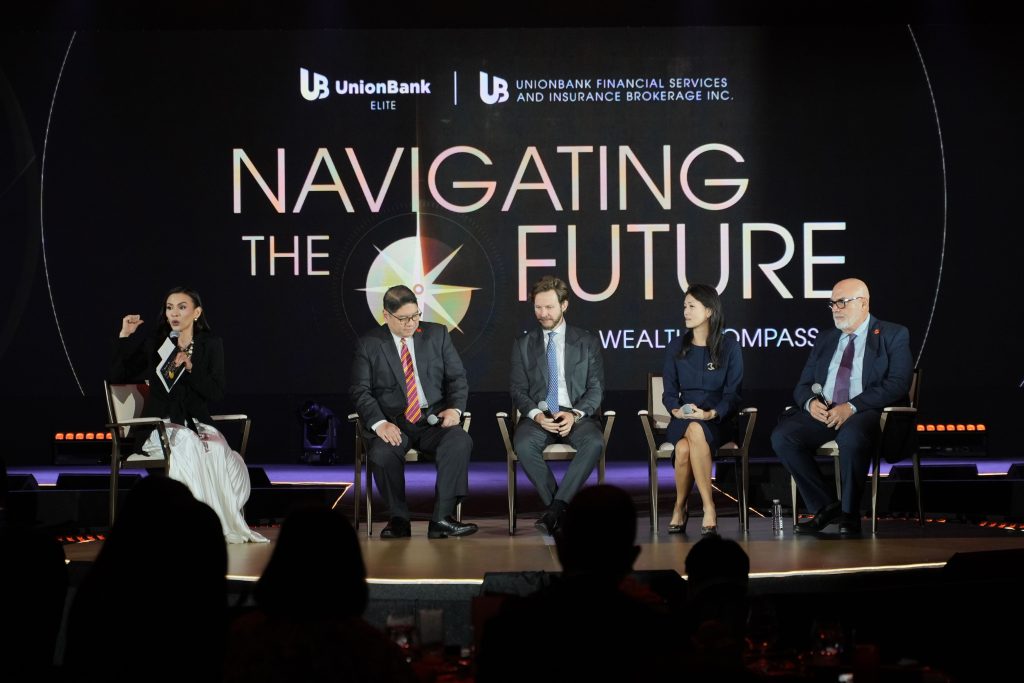
UnionBank is dedicated to elevating client experiences through its regular Market Outlook events, which feature interactive segments and panel discussions that give clients the opportunity to share their perspectives, concerns, and aspirations directly with industry leaders. By fostering meaningful dialogue and deeper engagement, these events are designed to help clients strengthen and grow their portfolios. This client-centric approach led to our recognition by The Asian Banker as the Best Wealth Management Bank in the Philippines for 2025.
Clients are encouraged to continue the conversation with their Relationship Managers and explore new opportunities to strengthen and grow their portfolios.

MANILA, Philippines — A new study from Filipino-focused sociocultural research firm The Fourth Wall reveals that many Filipino online gambling players are unaware of the risks of playing on unregulated platforms, leaving them exposed to various dangers, such as financial losses, privacy concerns, and underage participation.
The study surveyed hundreds of current online gambling players from urbanized areas across Mega Manila, Metro Cebu, and Metro Davao who have experience playing on unregulated platforms.
According to the study, about 55% of players admit they are unaware of the legal risks tied to these sites, while another 33% say they know “a little.” Meanwhile, only 12% of them find the rules clear, highlighting a significant knowledge gap.
This limited awareness contributes to a lack of trust. When asked about their confidence, 39% of players express skepticism about the platforms’ fairness, compared with just 27% who feel confident. Another 28% remain neutral, reflecting a general uncertainty or a lack of visibility into how these systems work. This mirrors players’ overall sentiments, with 32% remaining undecided or neutral, and 27% reporting feeling more uneasy than confident.
The Fourth Wall research director John Brylle L. Bae highlights that player behavior is primarily driven by their personal perceptions and experiences rather than a platform’s features.
“Our study reveals confidence, fairness, and profitability matter more than platform features such as betting limits or affiliate programs. This explains why players, despite the uncertainty and uneasiness, continue to engage with these platforms as long as they perceive a chance to win.”
The study found that players on unregulated platforms play more heavily, with 41% playing 2-3 times a week, while nearly a third play 4 or more times a week. They also place higher bets, from PHP 100 to PHP 499, and occasionally up to PHP 1,000. These high-risk habits often lead to greater losses, with 41% of players reporting they stopped engaging in them primarily due to financial losses.
The majority of players on unregulated platforms are between 26 and 45 years old, come from lower-income brackets, and see gambling as a form of casual leisure.
The study categorized players based on their exposure to risk. The majority (44% of respondents) are profiled as “high-stakes losers,” or individuals who exclusively play on unregulated platforms and frequently place high bets, revealing high-risk, unprofitable behavior. Meanwhile, 28% of players surveyed are classified as “perceived winners,” those who play on unregulated sites with frequent medium bets, and perceived wins outweigh losses. About 17% of them are so-called “casual break-even players,” who prioritize low-risk entertainment over high-stakes wins, and 11% are “regulated converts,” individuals who play on both regulated and unregulated sites, but tend to play regulated more frequently.
Among those surveyed, about 32% prefer Bingo Plus as their preferred regulated site, while JiliBet is the most frequently accessed unregulated platform (28%).
Players cite unregulated platforms as their primary choice for their greater game variety, faster transactions, convenient payment options, and more frequent promotions. However, factors such as trust and reputation play a smaller role in their decision-making. The study further reveals that these sites lack crucial safeguards. About 65% of players do not recall seeing any fairness certifications on unregulated platforms, and nearly one in five admit they do not actively look for them. Furthermore, over 90% of players report being able to join with little to no verification, and 80% report no betting limits, leaving vulnerable groups exposed, unlike in regulated platforms with stricter controls.
A separate analysis by The Fourth Wall found significant contrasts between regulated and unregulated online gambling platforms, including the offering of games not verified by the Philippine Amusement and Gaming Corporation (PAGCOR), a lack of Know Your Customer (KYC) procedures, more lucrative marketing and affiliate structures, and inconsistent customer service. These differences expose players to various risks, including excessive financial losses, scams, fraud, and privacy issues from spam texts.
“Trust, not legality, drives player behavior, and highlights how building confidence can shape their choices. Therefore, policy could focus on shaping conditions such as payment channels, verification systems, or advertising practices that make safer options more accessible and attractive rather than targeting players. Clearer communication around protections, transparency, and user rights may encourage them to prefer regulated environments,” Bae added.
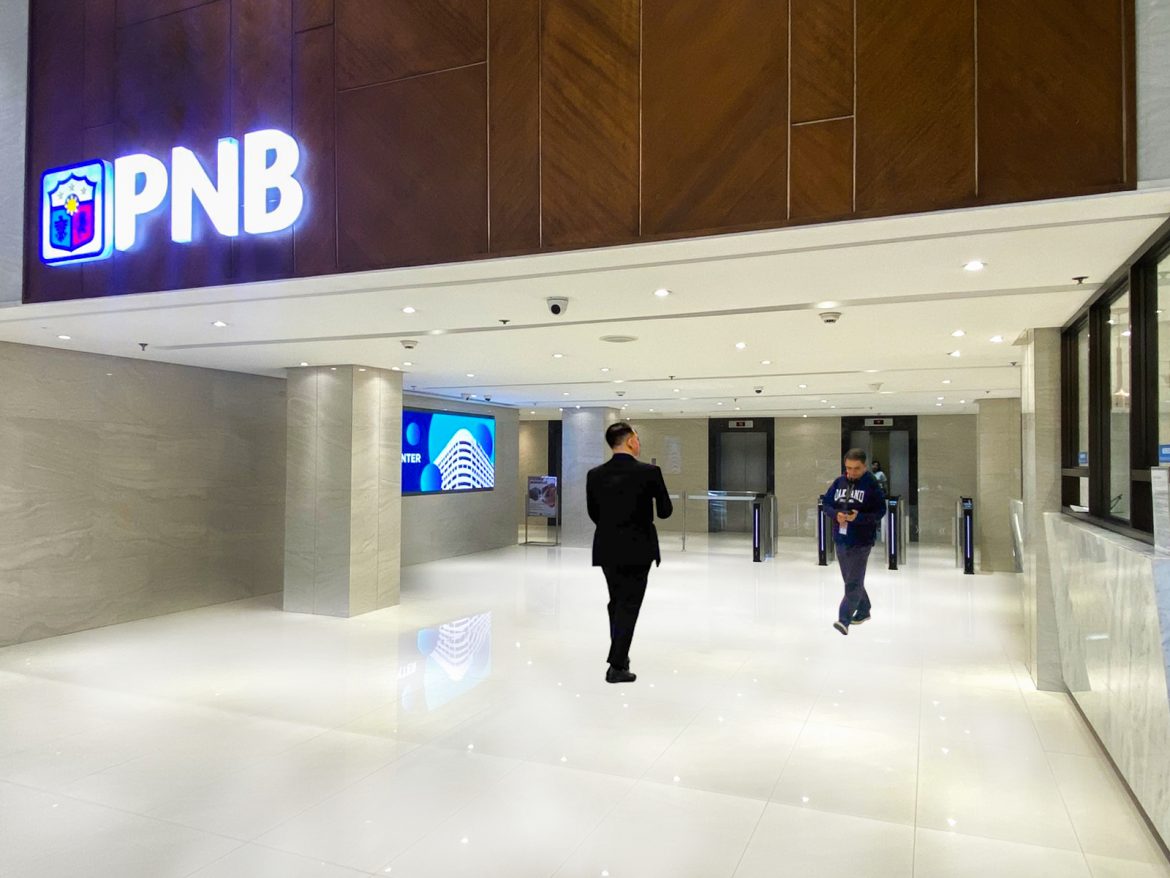
ACROSS the Philippines, corporate landmarks stand not just as places for doing business, but as monuments to history and vision, each one telling a story shaped by the people who built them and the businesses that have thrived within them.
Two such landmarks are the PNB Financial Center in Pasay City and the PNB Makati Center in the heart of Makati’s central business district. Both owned and managed by PNB Holdings Corp. (PHC), these properties continue to define what it means to create enduring spaces where history meets modern functionality, all while reflecting the country’s continuously evolving business landscape.
PNB Financial Center Amphitheater
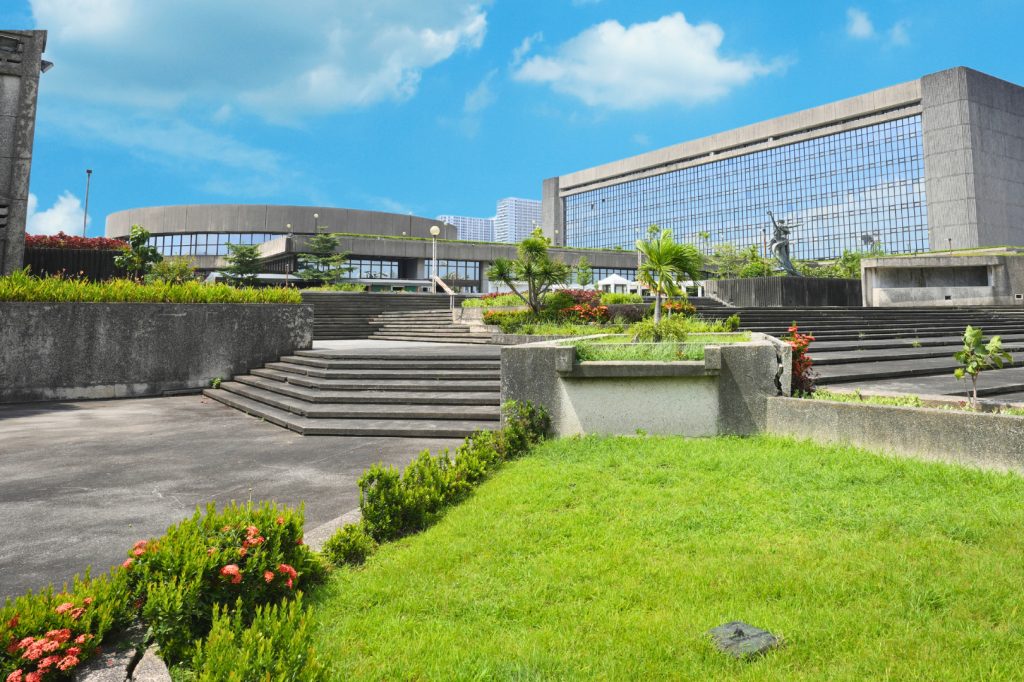
The PNB Financial Center, located along Macapagal Boulevard in Pasay City, was built to serve as the headquarters for PNB that would project strength, integrity, and scale for the then state-owned bank. With its expansive interiors and dignified architectural presence, the PNB Financial Center was designed to support large institutional operations while offering the flexibility needed for evolving business needs. Its crown jewel is the Grand Atrium which now doubles as an event venue, showcasing its adaptability and relevance to modern-day demands.
PNB Makati Center, 6754 Ayala Avenue, Makati City
Meanwhile, the PNB Makati Center has long been a familiar presence along Ayala Avenue, standing as an ideal and forward-looking address for businesses in Makati City. When it was first built, it was envisioned as a business hub that could accommodate the needs of companies across a range of industries, and its location and functionality have made it a valuable base of operations for tenants that want to be in the center of the thriving business district.
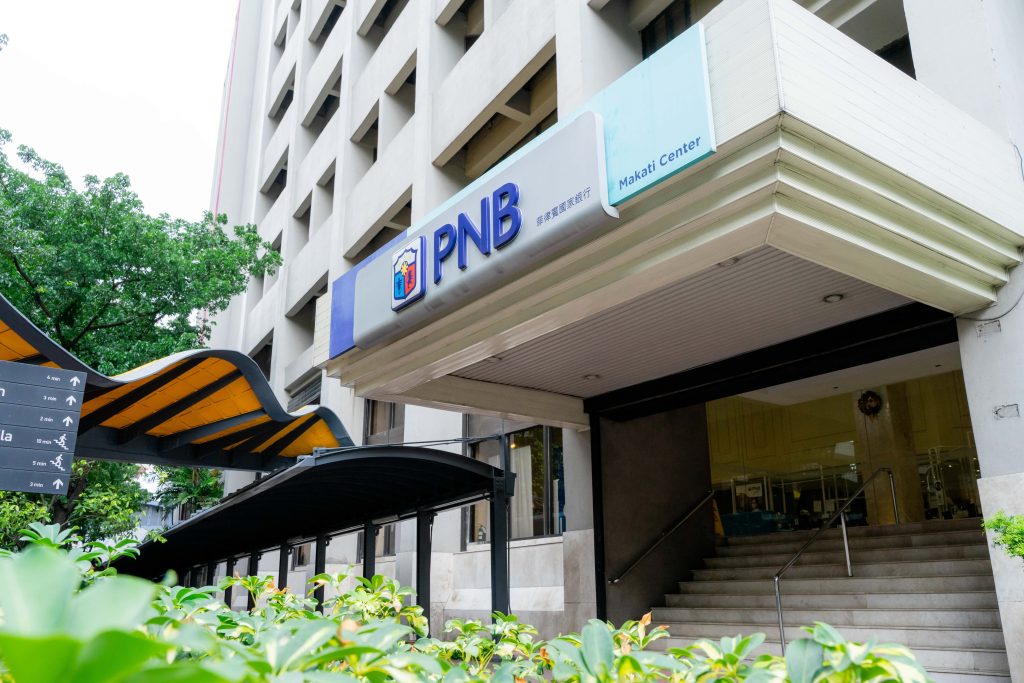
Today, both properties remain dynamic centers of activity, with consistently high occupancy across office, retail, and event spaces. They continue to attract and serve a diverse mix of businesses from various industries. This sustained performance underscores PHC’s proven capability to manage and maintain environments that evolve with tenant needs.
Central to this success is PHC’s approach to property stewardship, which is guided by a belief that legacy and function are not mutually exclusive. For PHC, buildings with rich histories can be made new again when they are carefully managed, continuously redefined, and aligned with the ever-changing business landscape. The company also sees each property as a long-term investment in tenant success, community building, and economic participation.
“Our approach is rooted in the idea that history and functionality are not opposing forces. Through thoughtful management and purposeful reinvention, we turn heritage into an advantage, creating enduring spaces that are responsive to the evolving needs of our tenants and the wider business community,” said Joselito R. Consunji, chief operating officer.
It also helps that these properties enjoy strategic locations, which can be beneficial for a wide range of players in different industries. The PNB Financial Center is close to the Manila Bay business and lifestyle corridor, with easy access to airports, convention centers, and key government offices. The PNB Makati Center, on the other hand, benefits from being situated in one of the most established commercial zones in the country, where businesses enjoy easy access to banks, hotels, residential towers, and a transportation network that connects them to partners and clients across the metro and beyond.
The ripple effect of PHC’s well-managed and strategically located business hubs extends beyond the properties themselves. When companies succeed in these spaces, it contributes to sector-wide momentum and economic development, fueling job creation, consumer activity, and investor confidence.
“What makes these properties truly special is how they empower the people and businesses within them. When our tenants thrive, it creates more opportunities and, in turn, greater confidence in the economy. At PHC, we take pride in being part of that bigger picture,” said Sarah Velasquez, vice president for leasing management. “These buildings are more than just places to work. They are active contributors to growth, both for industries and for the country.”
As PHC looks ahead, it remains committed to the legacy of the PNB Financial Center and the PNB Makati Center. These properties are not merely icons of the past: they are also springboards for future success, continually refreshed and reimagined to serve the needs of current and next-generation tenants. With these properties, PHC sees a future filled with possibilities, rooted in the lessons of the past while focused on creating more opportunities for the future.