



“No parent should have to bury their child.”
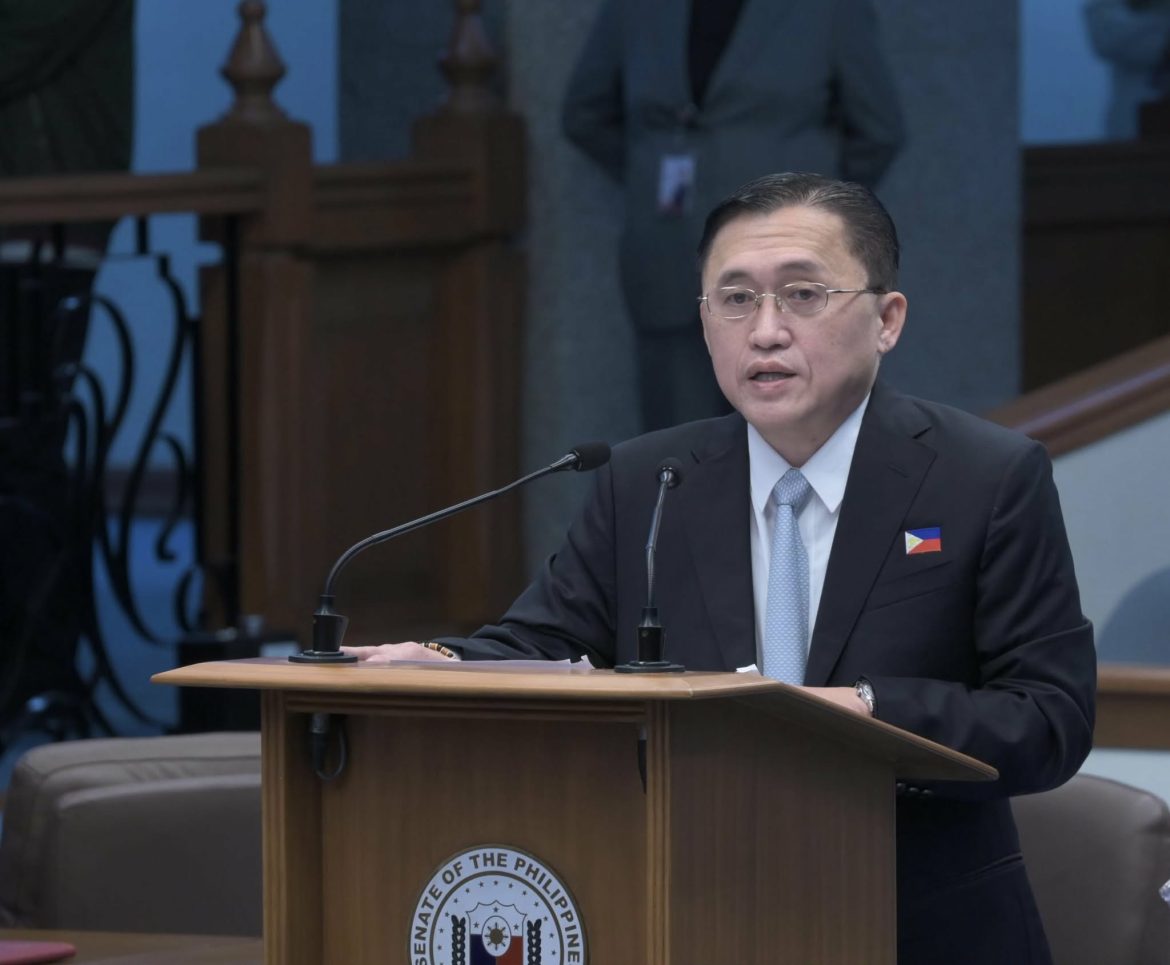
Senator Christopher “Bong” Go, Chairman of the Senate Committee on Youth, delivered this emotional plea during Wednesday’s plenary session as he filed a comprehensive measure seeking to strengthen security and violence prevention protocols across all Philippine educational institutions.
Go filed Senate Bill No. 2413, or the proposed Safe Schools and Violence Prevention Act, following recent deadly shooting incidents at the Ateneo de Zamboanga University high school campus and a separate campus shooting in Tacloban City.
“As I have said repeatedly: schools must remain zones of peace and learning,” Go stressed. “Parents entrust their children to teachers and school administrators because they believe their children are safe and cared for. These institutions should never be tainted by fear and violence.”
Expressing condolences to the victims’ families, the Davao-born lawmaker urged law enforcement and education officials to conduct an immediate and thorough investigation into how a minor managed to acquire a firearm and bring it onto school grounds in Zamboanga.
A Comprehensive, Multidisciplinary Safety Framework
Under SBN 2413, a National Safe Schools Framework will be established across public and private basic education schools, higher education institutions (HEIs), and technical-vocational centers.
The framework rests on five core pillars: prevention, protection, preparedness, response, and recovery.
Rather than treating campus violence strictly as a law enforcement issue, the bill adopts a holistic approach that integrates physical security, emergency readiness, child protection, medical response, and mental health support.
Key provisions of the bill include:
- Mandatory Risk Assessments: Every educational institution will be required to formulate and regularly update a School Safety and Emergency Preparedness Plan, supported by at least one comprehensive safety risk assessment per school year.
- Multidisciplinary Safety Teams: Schools must form specialized safety teams comprising administrators, guidance counselors or qualified mental health professionals, child protection officers, teachers, health staff, social workers, security personnel, and local law enforcement representatives.
- Objective Threat Assessments: Threat evaluations must be based strictly on objective behavior and context. The bill explicitly prohibits profiling based on a student’s mental health diagnosis, disability, socio-economic background, or personal beliefs.
- Confidential Reporting Channels: Institutions must set up accessible, confidential reporting systems allowing students, parents, and staff to report credible threats, weapons possession, severe bullying, cyberthreats, or serious self-harm risks.
- Standardized Crisis Protocols: The measure mandates immediate medical intervention, victim protection, rapid parent notification, evidence preservation, official law enforcement referral, and post-incident reviews following any serious campus security breach.
Addressing Youth Mental Health
To complement the safety bill, Go highlighted his previously filed Senate Bill No. 176, which mandates the establishment of dedicated Mental Health Offices across all public higher education institutions. SBN 176 seeks to hire trained mental health professionals and provide 24/7 counseling hotlines for students.
“What is happening inside our schools? What are our students and youth facing?” Go asked. “This is happening one after another and requires looking at it from a broader perspective.”
SBN 2413 also prescribes closer coordination among educational institutions, local government units (LGUs), the Philippine National Police (PNP), the Bureau of Fire Protection (BFP), social welfare officers, and health authorities to enforce standardized security protocols nationwide.
