

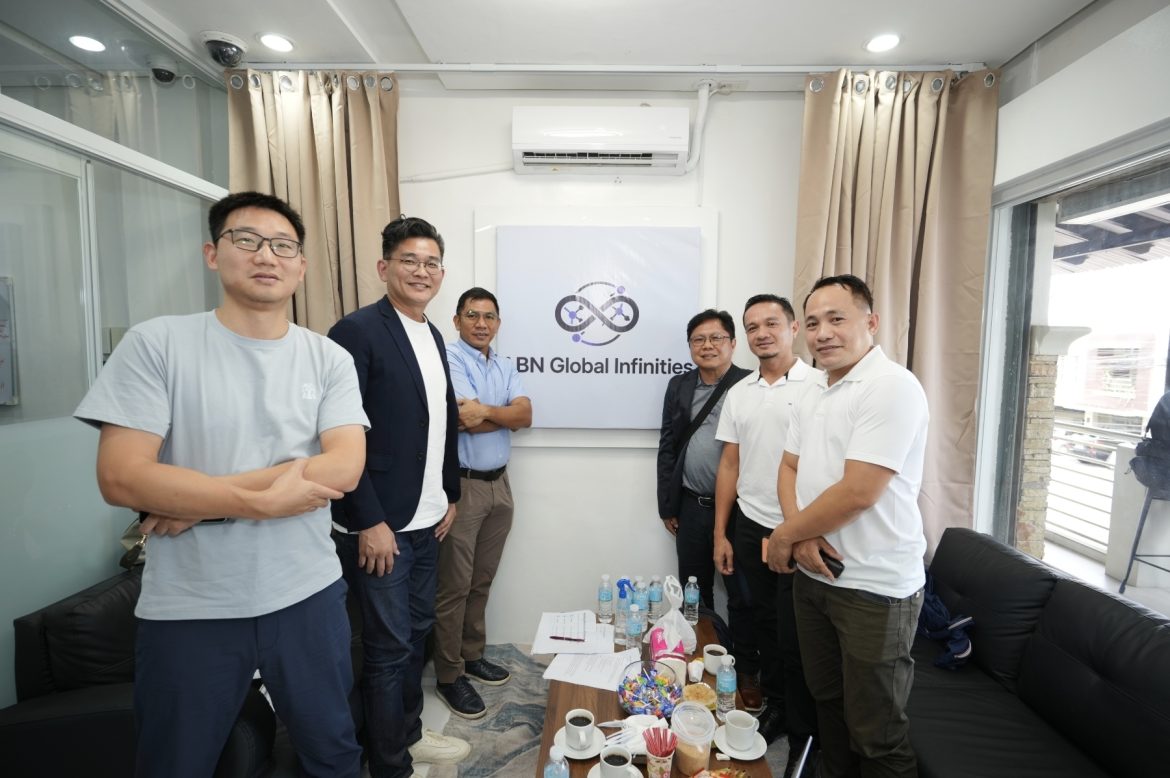
ABN Global Infinities Corp. launched the Mindanao AI and Computing Excellence (MAICE) initiative on Oct. 6, starting with an academic research partnership aimed at developing tailored artificial intelligence (AI) expertise and solutions to local needs.
The initiative will begin with research collaboration, followed by talent development and pilot projects, before moving toward the establishment of AI computing infrastructure in Davao City.
Alvin Suemitsu, Electronics and Communications Engineer and ABN Global chief executive officer, cited plans to provide students with mentorship, thesis support, and opportunities to work on actual AI projects.
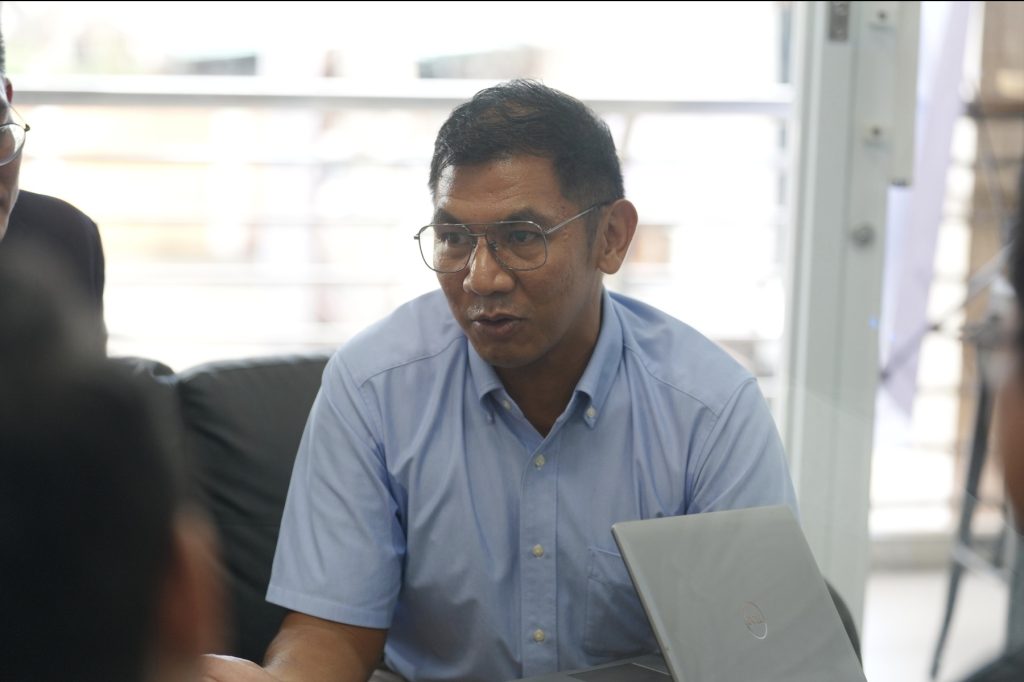
“We keep AI talent here in Mindanao, instead of losing it to Manila or abroad,” Suemitsu said.
MAICE’s initial research priorities cover agriculture, disaster resilience, health and public services. Proposed applications include crop monitoring, disaster early warning systems, tools for local clinics, and AI-assisted government services.
Randell Espina, dean of Ateneo de Davao University, said agricultural technology is one area where AI could help address local production challenges.

“With AI, we can increase productivity. Currently, we have a problem with our production, especially in our farms, because we don’t have enough information about how we produce all those farm products. With AI, maybe we can change that,” Espina said.
He cited as an example an agricultural drone project designed to monitor farm conditions and help farmers identify ways to improve production.
Espina emphasized the need to develop local expertise and computing capacity, including data storage and energy systems, to support AI applications.
AI computing infrastructure is planned as a later phase of MAICE, with technology partners to be announced once agreements are finalized. MAICE’s research partnerships include Ateneo de Davao University, Mapúa Malayan Colleges Mindanao, and the University of the Immaculate Conception.
Peng Zhen, a potential data center provider from Taiwan, outlined a proposed initial deployment of 32 to 64 AI servers within six to nine months, potentially expanding to 128 to 256 servers within 18 months. Each server would have eight graphics processing units (GPUs) for AI workloads.

“You could say phase one is more of a proof of concept. Where we see how it goes, and everything goes well, and increase our capacity,” Zhen added.
Suemitsu said developing the sector could generate jobs in engineering, construction, equipment supply and related services, while making AI computing resources more accessible to local users.
“Maybe it’s also fair if we talk about the scare of having AI because they think that a lot of jobs will be gone, a lot of people will get unemployed. Personally for me, because I’m at the forefront of all these technologies, there are more jobs generated compared to the jobs lost. So that’s where we are at right now in this forecast of AI,” he said.
Noel Payot Jr., ABN Global executive, added that the company is coordinating with the local government on alternative energy sources, including waste-to-energy initiatives.

“Now the City Government of Davao is doing the waste-to-energy program also. So, also the waste is going to be used to produce more energy. Lots of studies are being done now to get more energy into more sources,” Payot explained.
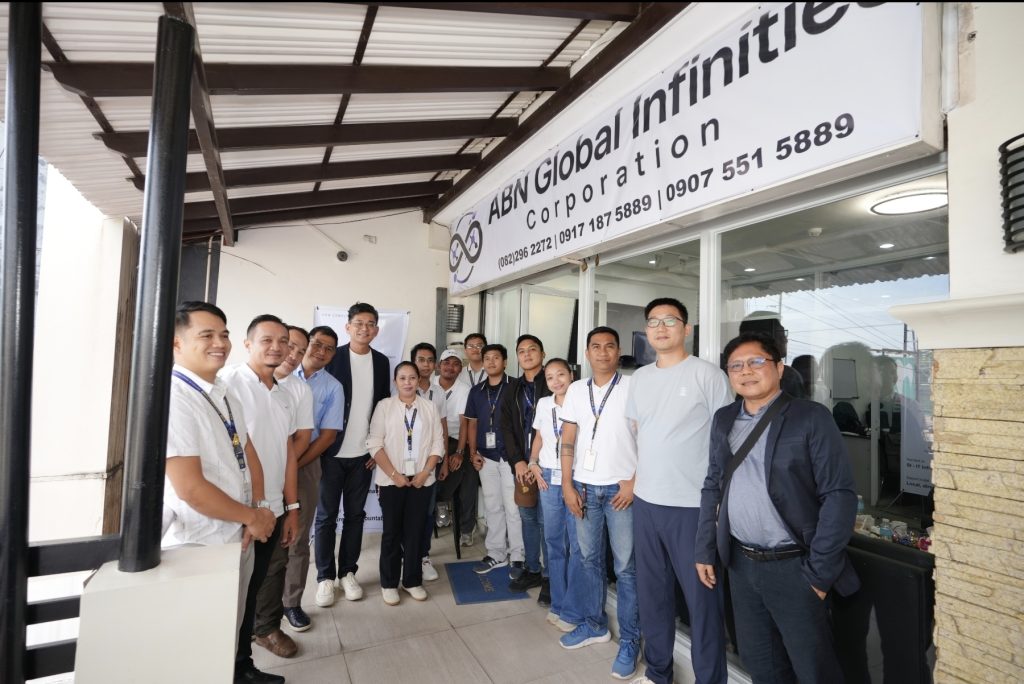
MAICE aims to combine ABN Global’s experience in engineering, systems integration and IT infrastructure with academic research to develop practical AI solutions for communities, businesses and local government units in Mindanao.